Japan Tests Deep-Sea Mining to Cut China Rare Earth Reliance
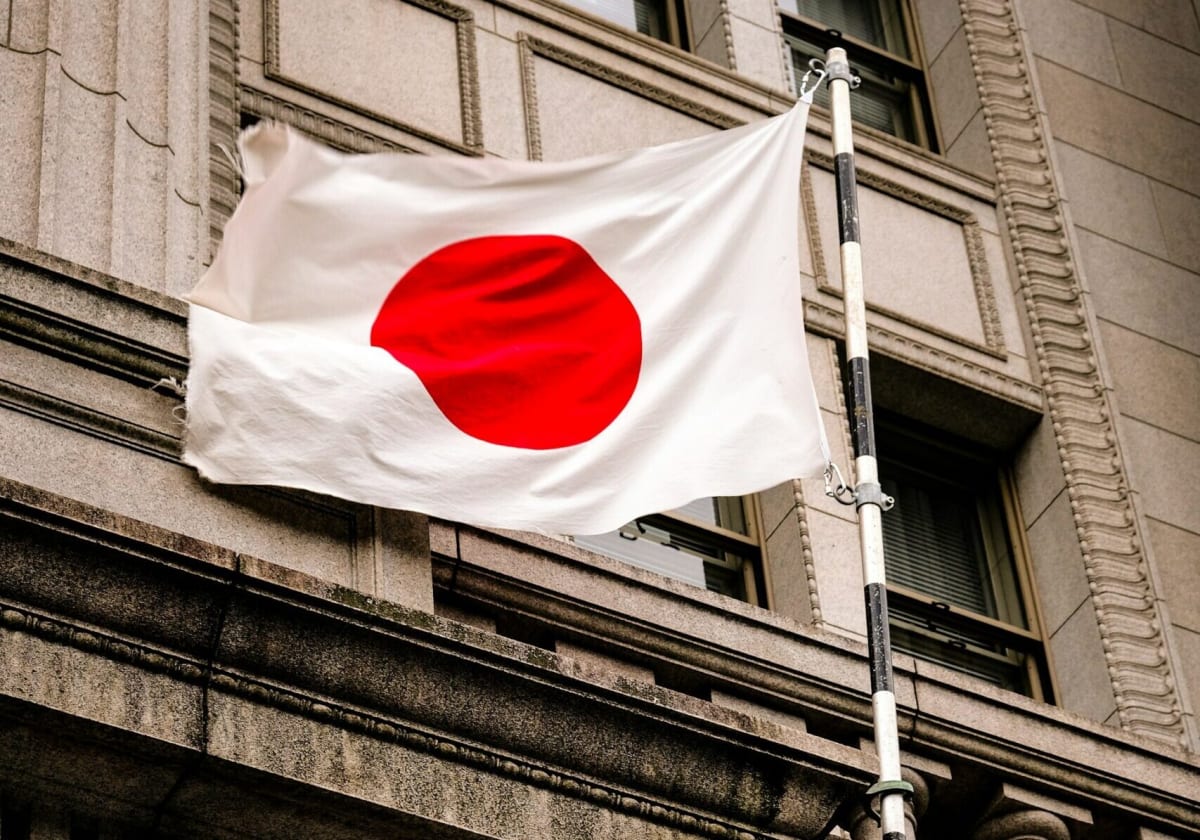
Japan is preparing to extract rare earth minerals from the ocean floor 2,000 kilometers from Tokyo, aiming to reduce its heavy reliance on Chinese imports. The breakthrough test could reshape how nations secure critical materials for smartphones, electric vehicles, and defense technology.
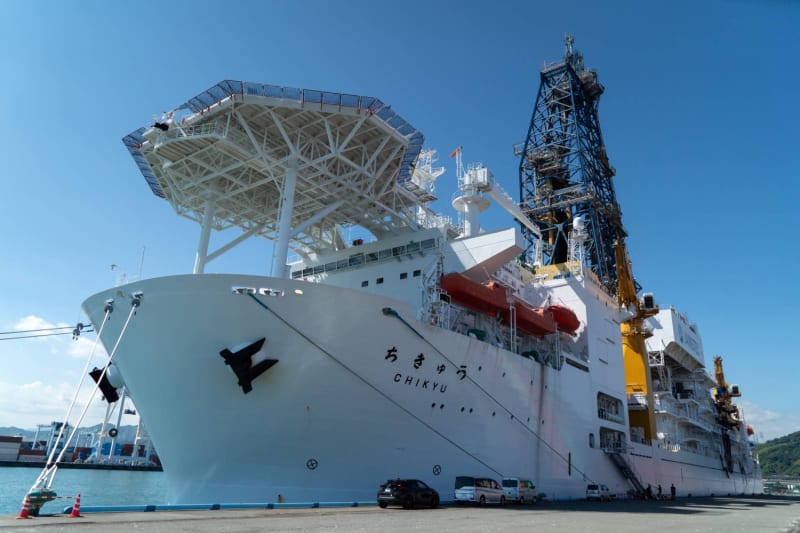
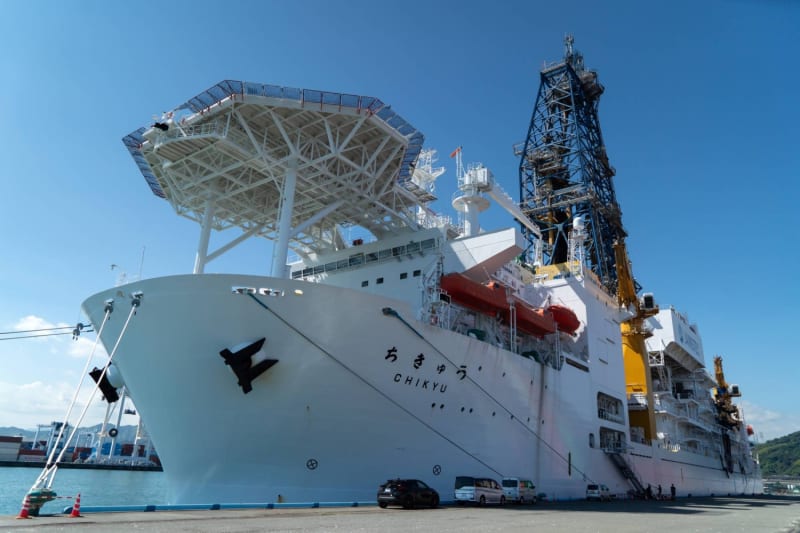
Japan is taking its quest for resource independence to extraordinary depths, literally. A state-owned vessel returned to port this month after installing equipment in Japanese waters near a remote coral atoll, setting the stage for groundbreaking tests that could pull rare earth metals from 6 kilometers below the ocean surface starting in February 2027.
The stakes couldn't be higher for Japan's economic security. The country still imports 70% of its rare earths from China, despite spending heavily on alternatives like backing Australian miners and French processing facilities. When Beijing recently banned rare earth exports to Japan for military applications, it underscored just how vulnerable that dependence makes the island nation.
Rare earths power our modern world. These metallic elements are essential ingredients in smartphones, electric vehicles, and fighter jets. China's dominance of the global supply chain has made them a geopolitical pressure point, particularly during trade disputes.
Japan's solution sounds like science fiction. Starting in 2027, the project aims to bring 350 tons of metal-bearing mud per day to the surface from depths of 5 to 6 kilometers. Tests will reveal which rare earths are present and in what quantities, determining whether commercial mining makes sense.
This isn't Japan's first rodeo with seabed mining. The country began exploring ocean minerals in the late 1970s after cobalt supply disruptions and successfully tested cobalt-rich crust excavation in 2020. The current rare earth project launched in 2014 and has methodically advanced through multiple phases.
The project sits entirely within Japan's territorial waters near Minamitori Island, the country's easternmost point. This gives Japan full control without navigating international regulations that govern deep-sea mining in international waters.
The Ripple Effect
Japan's determination is inspiring similar moves worldwide. The U.S. recently invested $400 million to revive a dormant California rare earth mine and is accelerating approval processes for offshore mining. These parallel efforts signal a global shift toward resource independence.
Market conditions favor Japan's timing, according to industry consultants. While deep-sea mining faces enormous technical and cost challenges that no one has solved at commercial scale, the geopolitical necessity is driving innovation that seemed impossible just years ago.
For Shoichi Ishii of Japan's National Platform for Innovative Ocean Developments, the economics are secondary to security. "However expensive they may be, the industry needs them," he said. The Japanese government views this like the U.S. views its rare earth investments: not as a profit center, but as insurance for industrial survival.
Even skeptics acknowledge the breakthrough potential. While warning that seabed mining will likely emerge as only a niche supply stream at best, experts recognize that successfully pulling rare earths from 6 kilometers down would prove technologies that could transform resource extraction worldwide.
Japan's ambitious dive into the deep ocean represents more than mining innovation—it's a nation refusing to let geography dictate its technological future.
More Images

Based on reporting by Japan Times
This story was written by BrightWire based on verified news reports.
Spread the positivity!
Share this good news with someone who needs it