Japan Tests Needle-Free Heart Repair Using iPS Cells
A Japanese startup just treated a heart failure patient using a simple catheter instead of open-heart surgery, injecting lab-grown heart muscle cells that could transform cardiac care. The patient in his 70s has already gone home.
Heart failure patients might soon skip the operating room entirely, thanks to a breakthrough in Tokyo that just turned science fiction into medical reality.
Heartseed, a Japanese startup, successfully treated a 70-year-old man with severe heart failure using nothing more than a catheter. Instead of cracking open his chest, doctors threaded a thin tube through his blood vessels and injected tiny spheres of heart muscle cells grown from induced pluripotent stem cells, or iPS cells. Think of iPS cells as blank slates that scientists can transform into any type of cell the body needs.
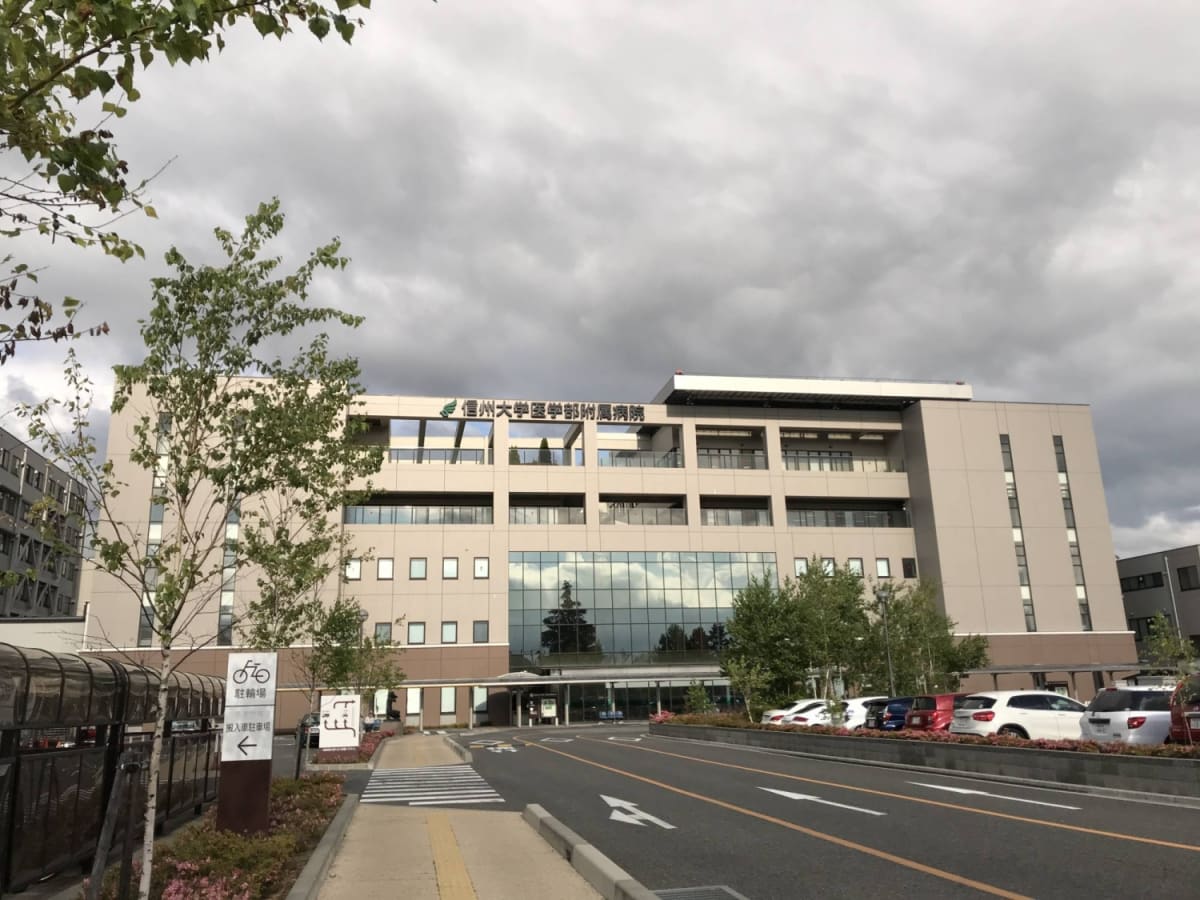
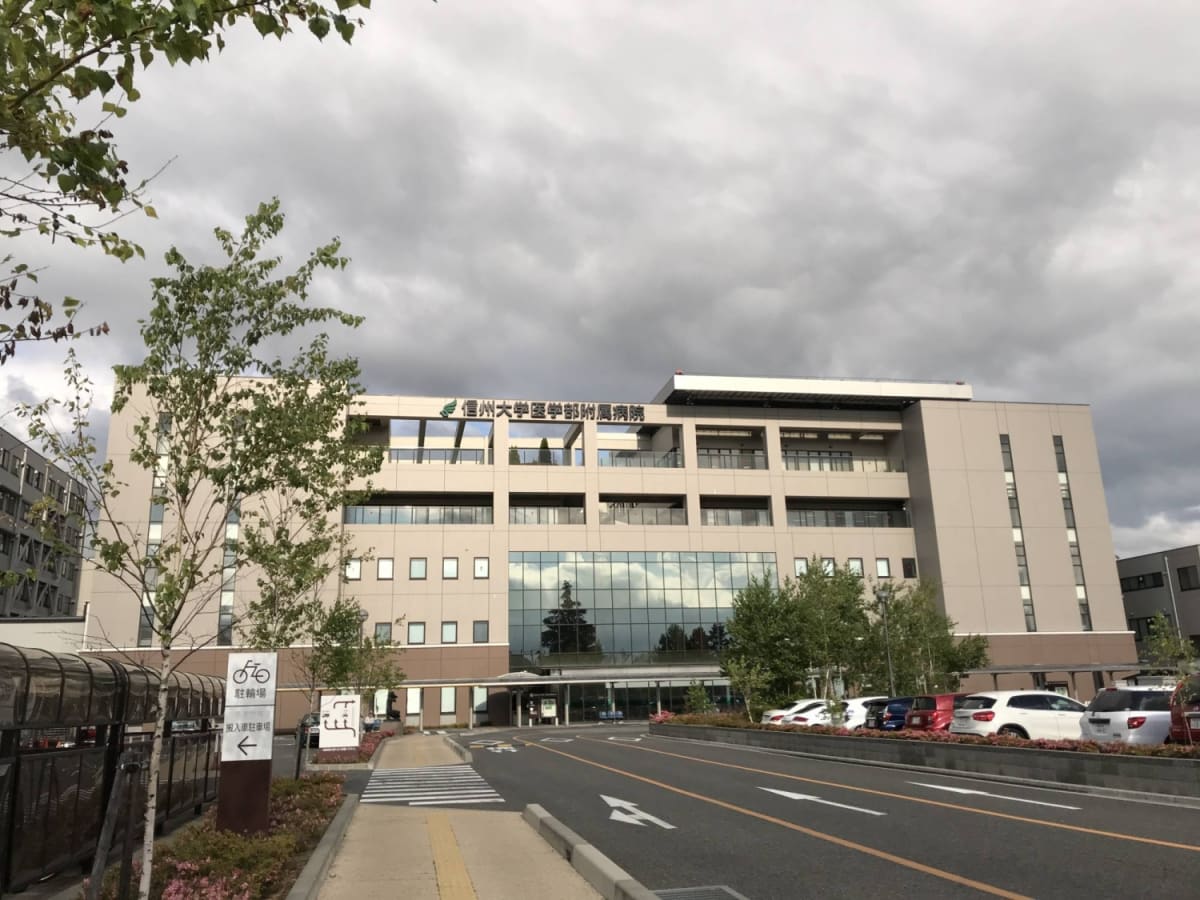
The patient walked out of Shinshu University Hospital in late March feeling better, marking the first success in what could become a gentler way to repair failing hearts.
This wasn't Heartseed's first rodeo with heart regeneration. The company, founded by Keio University professor emeritus Keiichi Fukuda, already proved their heart muscle spheroids work through surgical transplantation in 10 patients. Those trials showed real improvements in heart function with no major safety red flags. The company plans to apply for approval to sell the treatment this year.
But surgery comes with risks, recovery time, and serious physical trauma. The catheter approach changes everything.
"The biggest advantage of catheters is that they reduce the burden on patients," Fukuda explained. For someone already weakened by heart failure, avoiding surgery could mean the difference between treatment and no treatment at all.
The trial will test 14 participants total by 2029, carefully tracking both safety and whether hearts actually get stronger. The company calls this catheter method their "next-generation treatment," and it's easy to see why. Same healing potential, fraction of the trauma.
Why This Inspires
This story captures something remarkable about modern medicine. We're not just finding new drugs or better surgical techniques anymore. We're learning to grow replacement parts from scratch and deliver them as easily as a routine procedure.
Dilated cardiomyopathy, the condition affecting this first patient, weakens the heart muscle until it can't pump blood effectively. Traditional options are limited: medications that slow decline, risky surgeries, or waiting for a transplant that might never come. Now there's a fourth option that sounds like it belongs in a sci-fi novel but works in the real world.
The iPS cell technology itself represents years of scientific dreams becoming practical tools. These cells can become anything, and Heartseed figured out how to make them become exactly what dying hearts need most.
Japan continues pushing the boundaries of regenerative medicine, and this trial shows why that matters far beyond one country's borders. Heart disease remains a leading cause of death globally. A minimally invasive treatment that actually repairs damaged hearts, not just manages symptoms, could help millions.
One patient treated, thirteen more to go in this trial, and potentially countless lives changed if the results hold up.
More Images
Based on reporting by Japan Times
This story was written by BrightWire based on verified news reports.
Spread the positivity!
Share this good news with someone who needs it