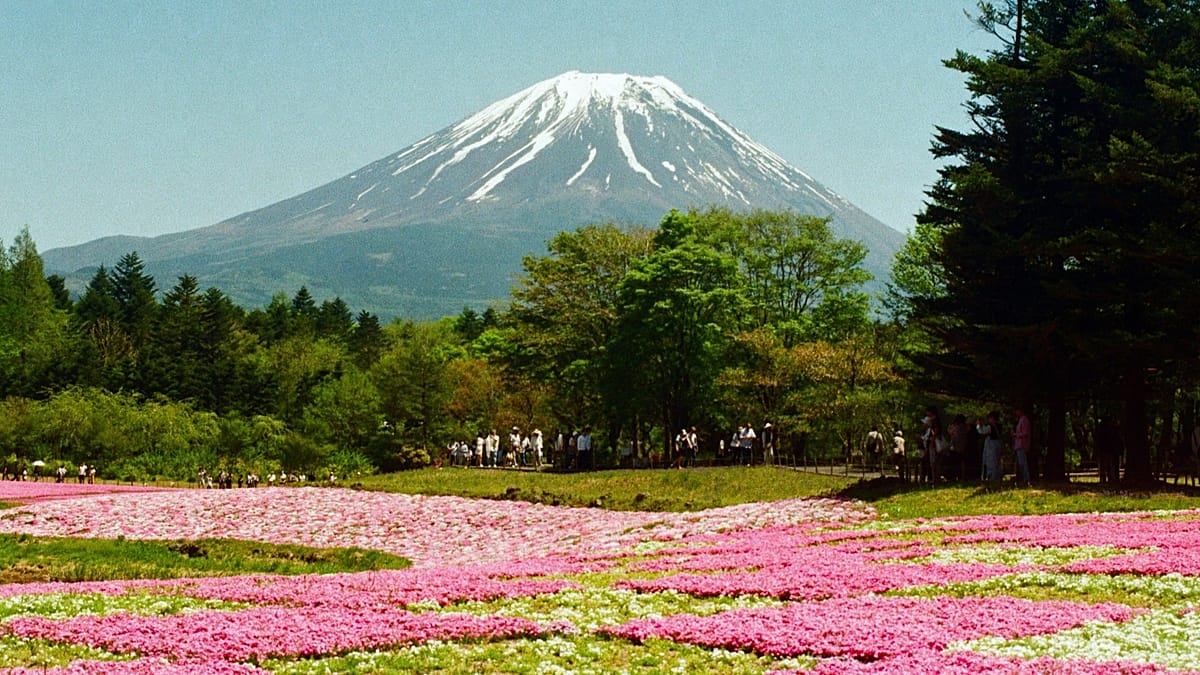
Japan Tourism Hits Record 42.7M Visitors in 2025
Japan welcomed over 42.7 million international visitors in 2025 as travelers discover hidden gems beyond Tokyo and Kyoto. Ancient hiking trails, renovated traditional hotels, and a focus on nature experiences are drawing adventurous tourists to explore the country's lesser-known regions.
Japan just proved that authentic experiences beat crowded hotspots every time, welcoming a record 42.7 million international visitors in 2025.
The surge reflects a growing shift in how people want to travel. First-time visitors still flock to Tokyo's temples and Kyoto's historic neighborhoods, but repeat travelers are venturing into rural mountain villages, coastal paths, and regions that offer genuine glimpses into traditional Japanese life.
"They are looking for more regional areas and more authentic experiences," says Sayaka Usui, director of the Frankfurt office for Japan National Tourism Organization. The country's efficient train and bus network makes these explorations surprisingly easy, with English information readily available for international travelers.
The tourism boom sparked creative hotel openings across regional destinations. Old traditional houses are being renovated into unique luxury properties that blend centuries-old architecture with modern comfort and exceptional dining. Travelers get to sleep in history while enjoying contemporary amenities.
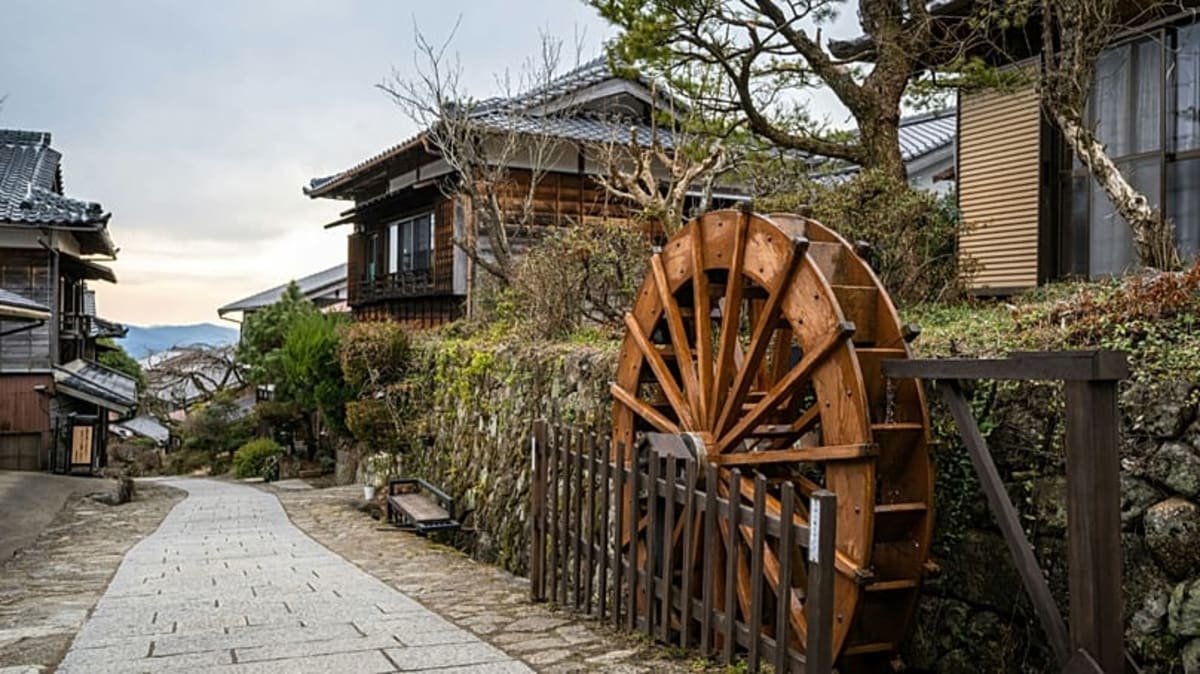
Outdoor adventures are becoming Japan's fastest-growing travel segment, especially among European visitors seeking sustainable experiences. The historic Nakasendo trail in Nagano stands out as a favorite, where ancient postal roads wind through villages where locals still live and work. Hikers can stop at cafes, chat with residents, then continue their journey through landscapes that look unchanged from centuries past.
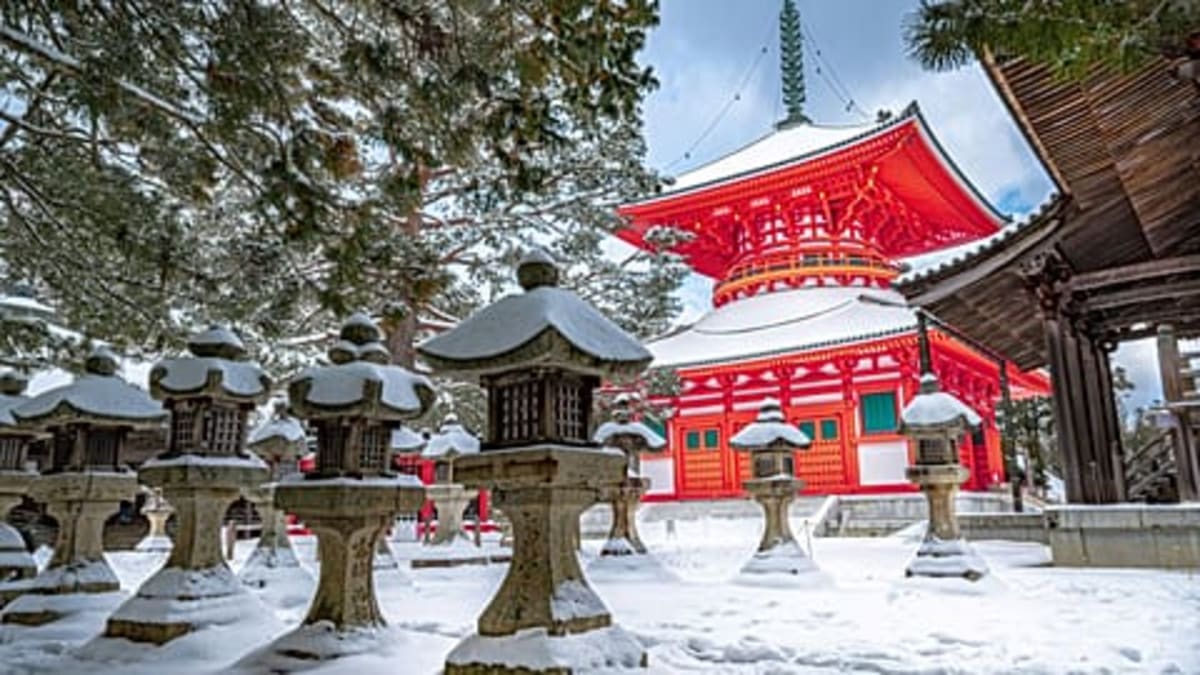
Other natural wonders gaining attention include the Shikoku pilgrimage route connecting 88 Buddhist temples and the dramatic 1,025-kilometer Michinoku Coastal Trail in northern Japan. These northern regions remain relatively quiet compared to major cities but are just a high-speed train ride from Tokyo.
The Ripple Effect
Japan's tourism success is spreading benefits beyond traditional hotspots. Regional communities are seeing economic growth as visitors spend money in local cafes, shops, and renovated hotels. The focus on nature experiences encourages environmental preservation while sustainable tourism practices protect the trails and villages that make these destinations special.
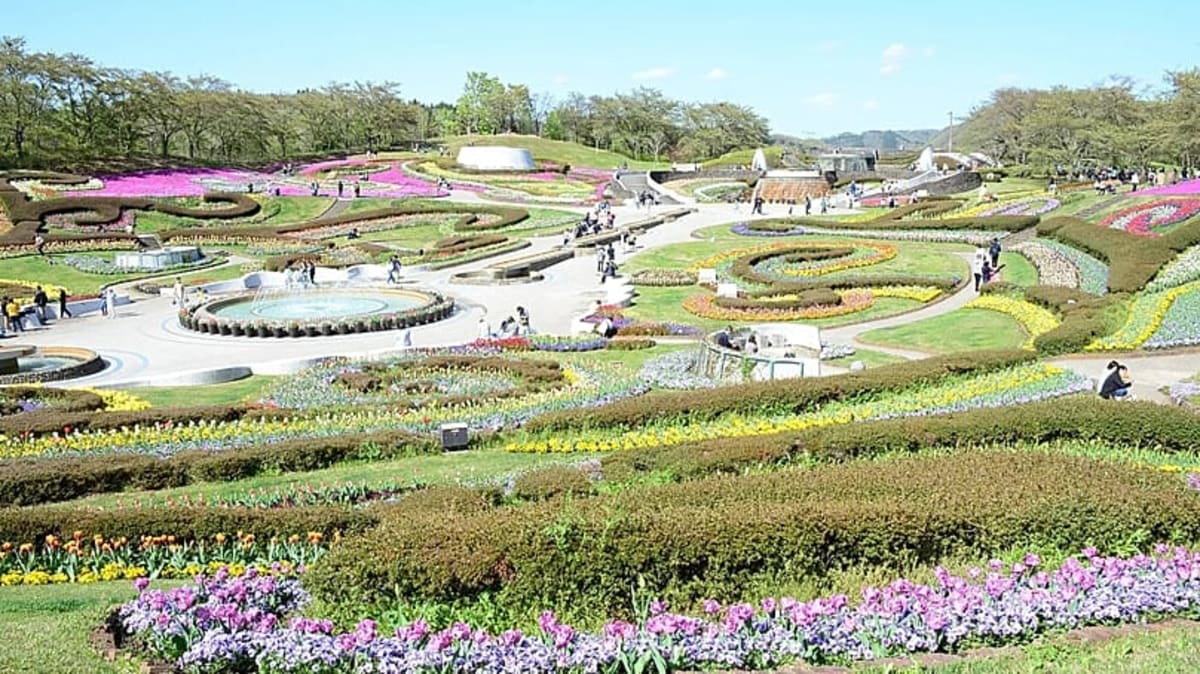
Looking ahead, Yokohama will host the Green Expo 2027 from March to September, showcasing Japan's natural heritage and sustainability commitment. The event will feature large-scale garden landscapes, international pavilions highlighting biodiversity, and exhibitions on traditional practices like ikebana and bonsai that reflect Japan's deep cultural connection to nature.
Tourism authorities emphasize that Japan offers authentic experiences year-round, not just during cherry blossom season. Every month brings different seasonal beauty and cultural events worth discovering.
The message is clear: Japan's greatest treasures often lie off the beaten path, waiting for curious travelers ready to explore.
More Images

Based on reporting by Euronews
This story was written by BrightWire based on verified news reports.
Spread the positivity!
Share this good news with someone who needs it