Japan Turns Sewage Into Fertilizer to Boost Food Security
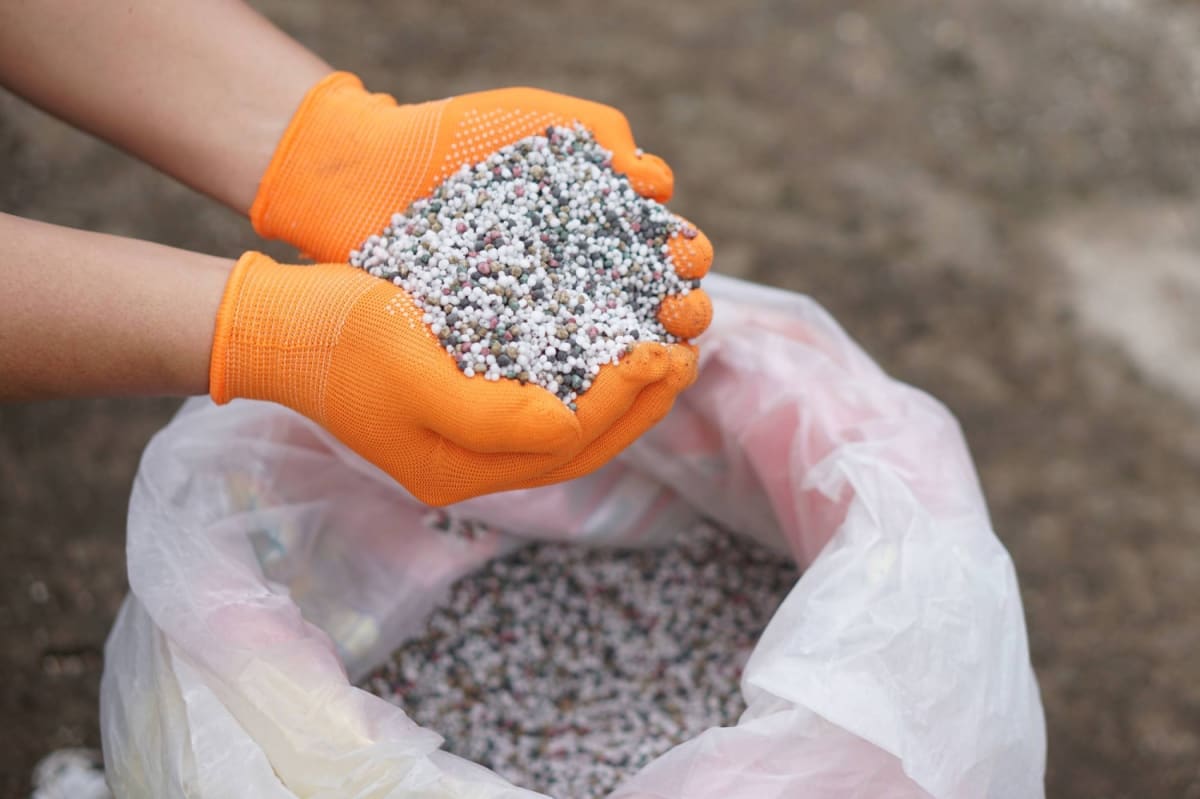
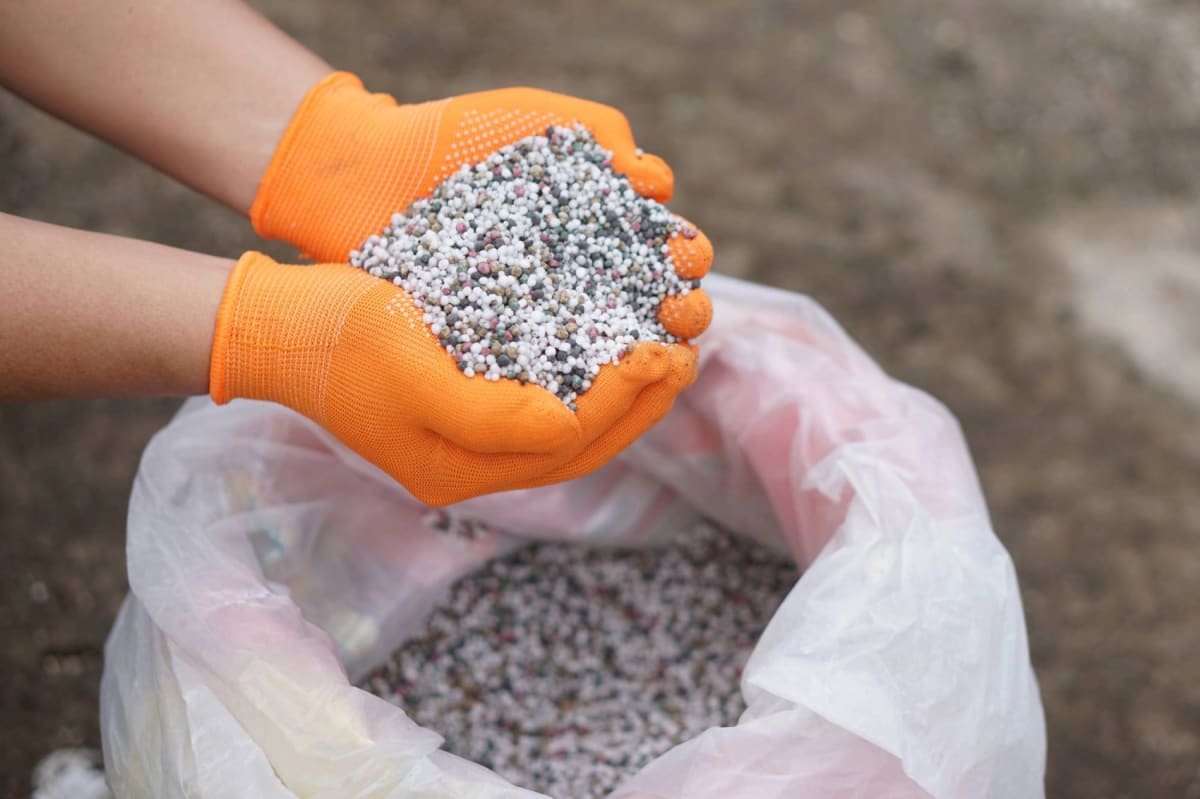
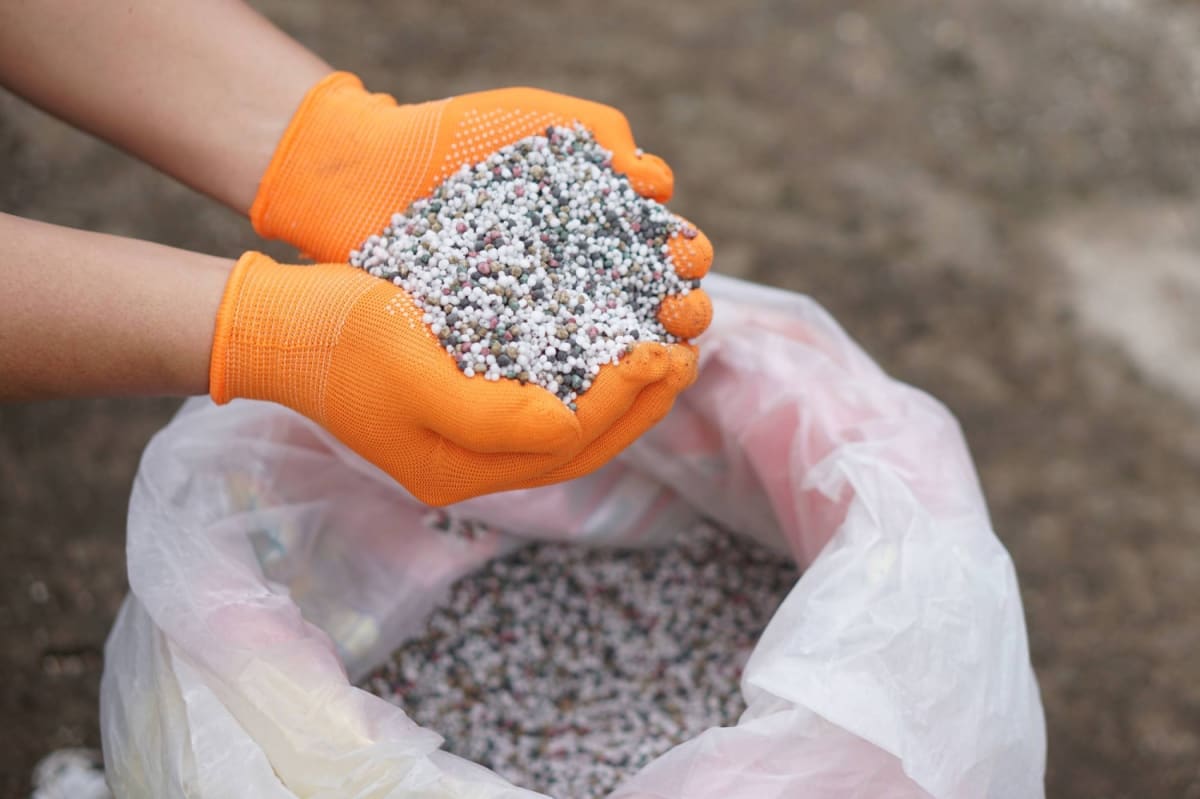
Japanese cities are transforming waste into fertilizer, extracting phosphorus from sewage sludge to reduce dependence on imports. Eight local governments now operate 11 facilities, turning a disposal problem into a food security solution.
Japan is solving two problems at once by mining its own sewage for an essential ingredient that feeds the world.
Cities across Japan are now extracting phosphorus from sewage sludge to create fertilizer, reducing the country's near-total dependence on imports. The shift gained urgency when Russia's 2022 invasion of Ukraine disrupted global supply chains and sent fertilizer prices soaring.
Tokyo launched its recovery system in January 2024 at the Sunamachi Water Reclamation Center. The facility produces about 70 metric tons of recycled phosphorus annually, and early tests show it works just as well as conventional fertilizer for growing vegetables.
The capital plans to distribute the fertilizer nationwide starting in fiscal 2026, partnering with Japan's largest agricultural cooperative. It's a major step toward turning local waste into national food security.
Fukuoka joined the effort in April with one of Japan's largest phosphorus recovery facilities. The plant can produce 300 metric tons annually using innovative technology that gathers phosphorus from high-concentration sludge, achieving the same output as conventional facilities while occupying half the space.
The numbers reveal both the opportunity and the challenge ahead. Japan needs about 300,000 metric tons of phosphorus annually, while its sewage sludge contains an estimated 50,000 metric tons each year.
The Ripple Effect
This innovation tackles multiple challenges simultaneously. Cities reduce waste disposal costs while creating a valuable resource from something they once paid to remove.
The environmental benefits extend beyond waste reduction. Local phosphorus production means fewer cargo ships crossing oceans and less vulnerability to international conflicts that disrupt trade.
Farmers gain access to a domestic fertilizer source with stable pricing, protecting them from global market volatility. Food security strengthens when essential nutrients come from within rather than depending on distant suppliers.
The technology is spreading, with eight local governments now operating 11 facilities nationwide. Each new plant demonstrates that waste isn't really waste when you look at it differently.
Challenges remain, particularly around cost. Production expenses for recycled phosphorus currently far exceed import prices, according to Tokyo officials. Technological advances and government support will be essential to make recycled fertilizer competitive.
But the foundation is solid, and the momentum is building as more cities recognize the value flowing through their sewage systems every day.
More Images

Based on reporting by Japan Times
This story was written by BrightWire based on verified news reports.
Spread the positivity!
Share this good news with someone who needs it