Japan Women's Soccer Team Transforms Into Trophy Contender
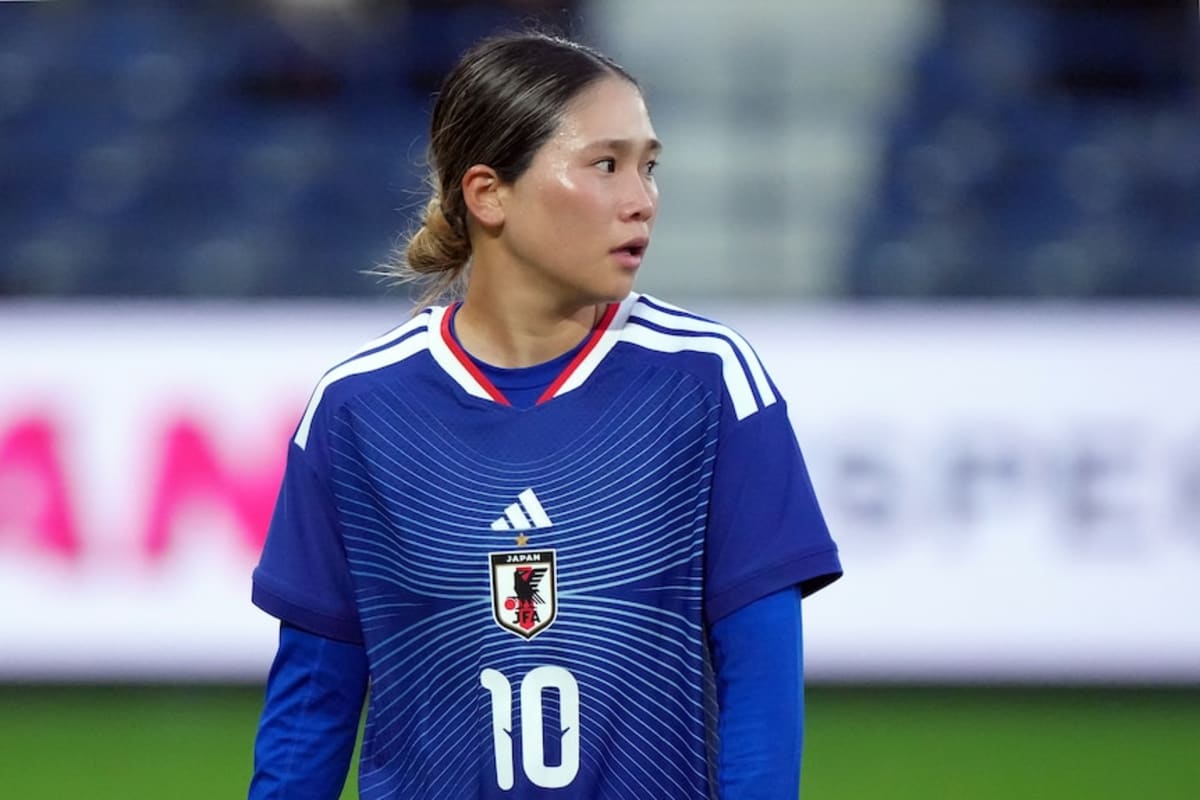
Japan's women's national soccer team has quietly rebuilt itself into a powerhouse, with nearly 90% of players now competing in the world's top leagues. Their combination of traditional technical skill and newfound physical intensity has them positioned to challenge for the 2026 Asian Cup.
Japan's women's soccer team isn't just preparing for the 2026 Asian Cup. They're arriving as a completely transformed force that blends their legendary technical precision with a new level of speed and power.
The numbers tell an extraordinary story. By the end of 2025, 20 Japanese internationals were playing in England's top women's league, with seven more competing in the American professional league. Nearly 90% of the national team now plays overseas, turning what was once rare into routine.
Manchester United's Hinata Miyazawa captures the shift perfectly. When facing physically larger opponents abroad, she learned to win battles through timing and smart positioning rather than strength alone. That adaptation, multiplied across the entire squad, has elevated Japan to a new competitive level.
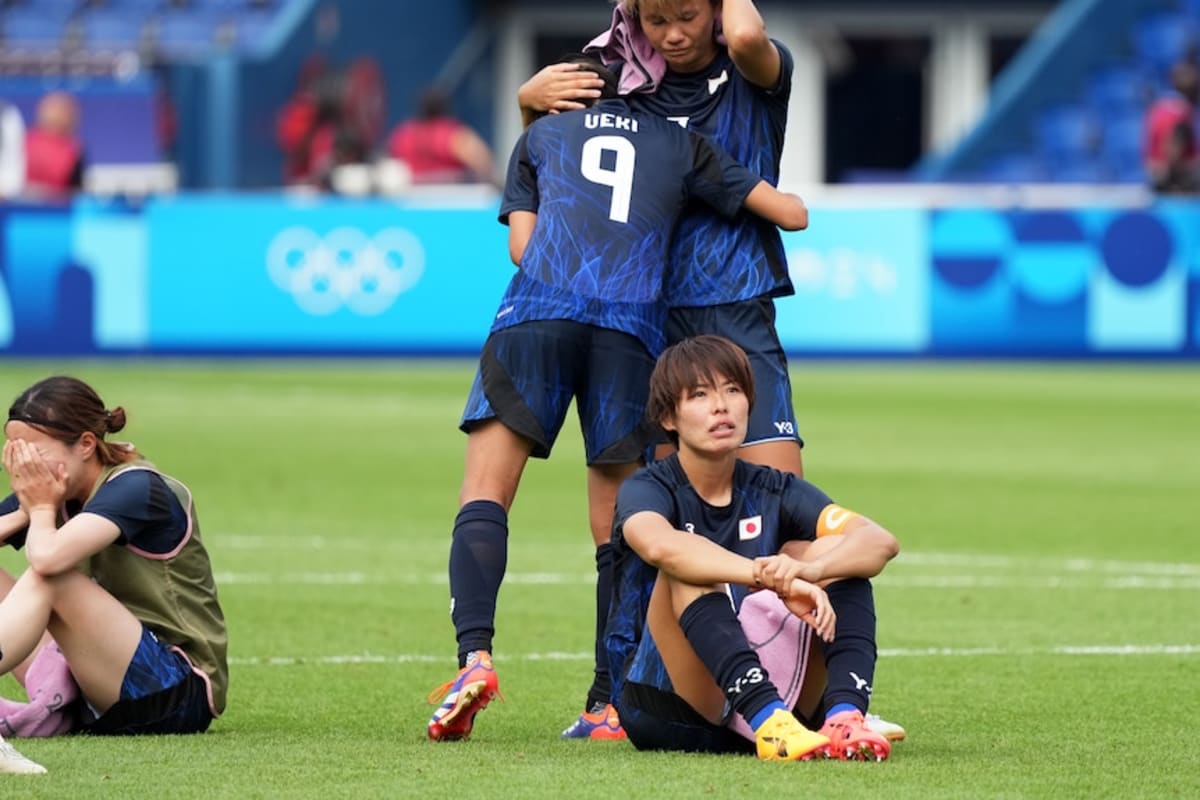
The journey wasn't smooth. After winning the 2011 World Cup and finishing second in 2015, Japan hit a wall. They missed the 2016 Olympics entirely and crashed out of three straight tournaments at the quarterfinals between 2020 and 2024, watching helplessly as European and American teams surged ahead with professional investment.
But Japan was quietly building something sustainable. They kept winning youth World Cups in 2014 and 2018, becoming the first nation to claim titles at every age level. The launch of their professional WE League in 2021 gave players the training intensity and recovery support needed to compete globally.
Why This Inspires
What makes Japan's transformation special isn't just the overseas migration. It's how players maintained their technical foundation while adding new dimensions to their game. Midfielder Fuka Nagano remembers training with Chelsea as a teenager and feeling completely overwhelmed by professional intensity. Today, she's an established starter for Liverpool.
The team proved their evolution at the 2023 World Cup by defeating eventual champions Spain 4-0, despite having only 20% possession. Miyazawa finished as the tournament's top scorer. At the 2024 Olympics, defender Moeka Minami noted the team felt closer than ever to breaking through their quarterfinal barrier.
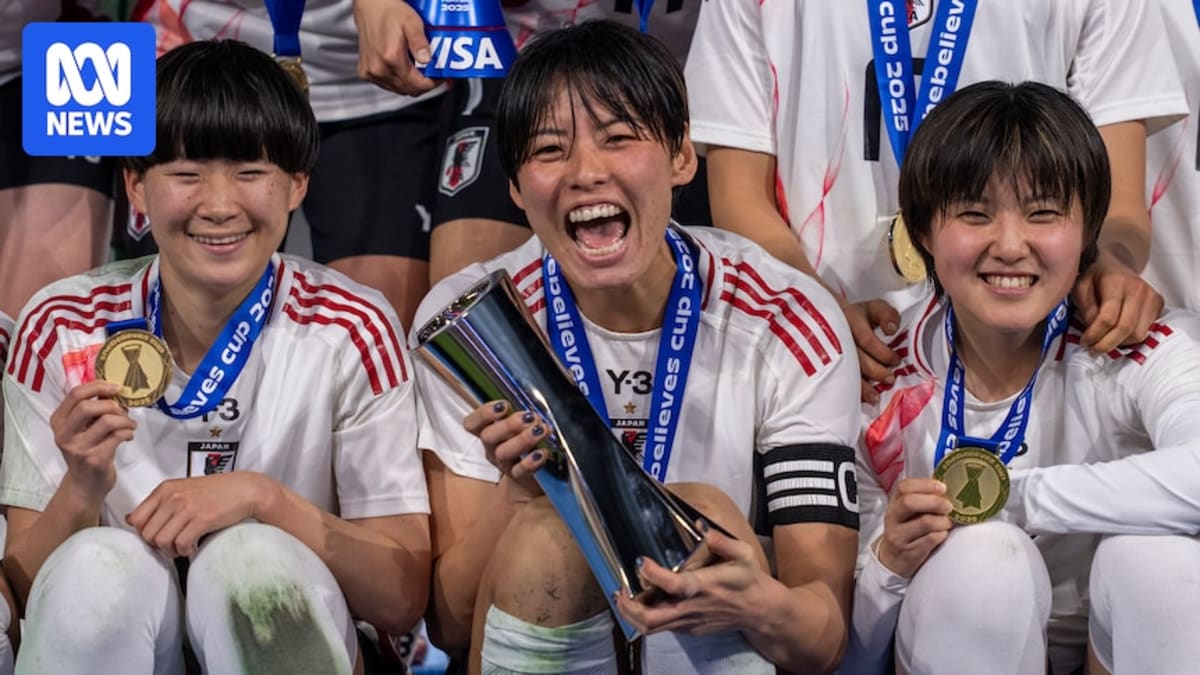
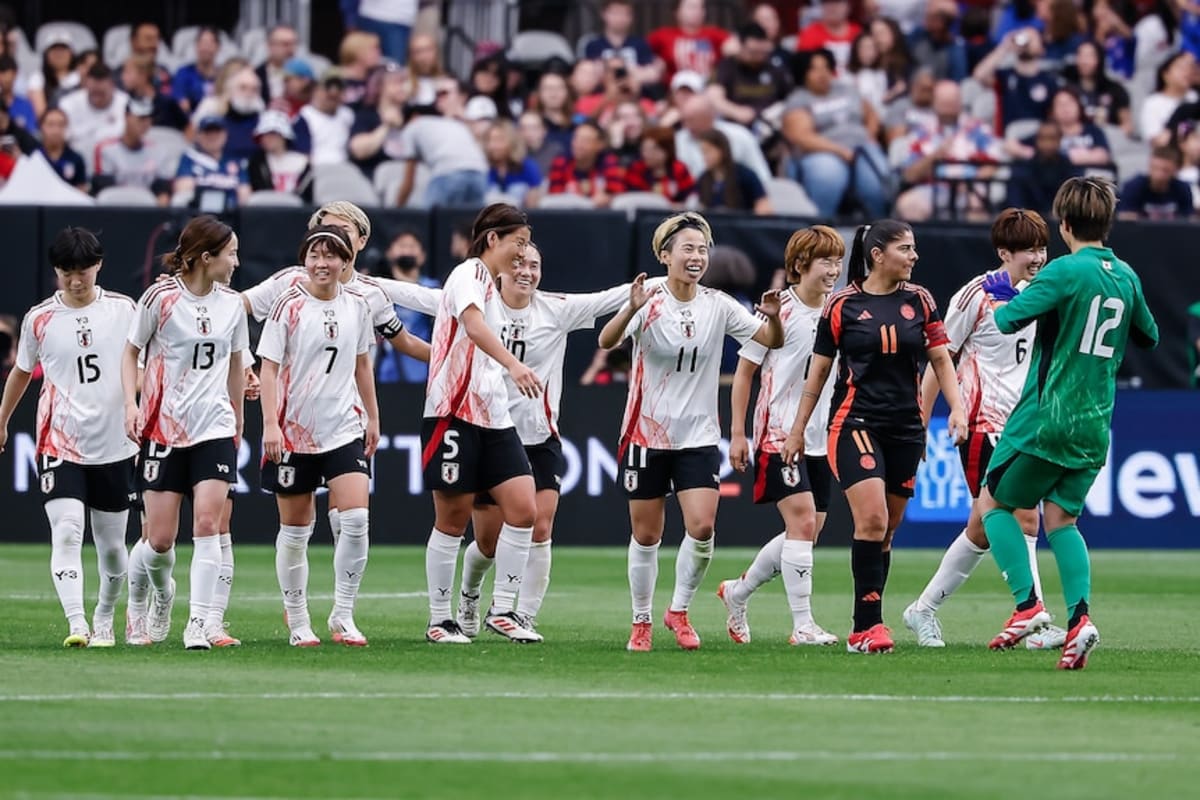
The final piece arrived in late 2024 when Denmark's Nils Nielsen became Japan's first foreign head coach. His impact was immediate, leading the team to victory at the SheBelieves Cup by defeating the United States, Colombia, and Australia. Nielsen brought a fearless pressing style that complemented Japan's technical gifts perfectly.
The transformation reflects something deeper than tactics. Japan created pathways for young players to test themselves at the highest level while preserving the technical development that made them special. They didn't abandon their identity; they expanded it.
Now, as the Asian Cup approaches, Japan arrives not as a team hoping to compete but as genuine contenders ready to claim the trophy.
More Images

Based on reporting by ABC Australia
This story was written by BrightWire based on verified news reports.
Spread the positivity!
Share this good news with someone who needs it