Japanese Botanist's Ancient Forest Secret Revolutionizes World
A Japanese scientist discovered that ancient shrine forests held the key to growing new ecosystems ten times faster than traditional methods. His revolutionary approach now helps restore forests across the globe.
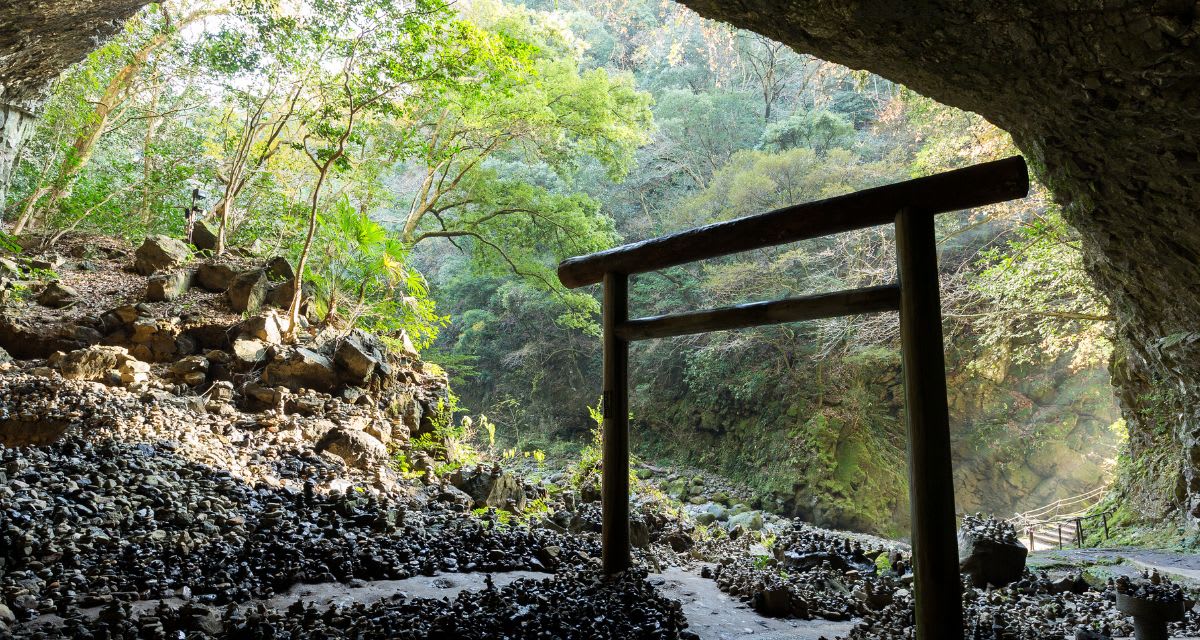
The secret to saving our forests was hiding in plain sight all along, tucked away in the sacred groves surrounding ancient Japanese temples.
Akira Miyawaki spent decades studying plant communities and natural forest development across Japan. Born in 1928 in Okayama, he dedicated his life to understanding how plants would naturally grow if humans hadn't altered the landscape.
During his research, Miyawaki noticed something extraordinary about the forests surrounding ancient Shinto shrines and Buddhist temples. These densely packed ecosystems looked completely different from traditional tree plantations, where single species stood in carefully spaced rows.
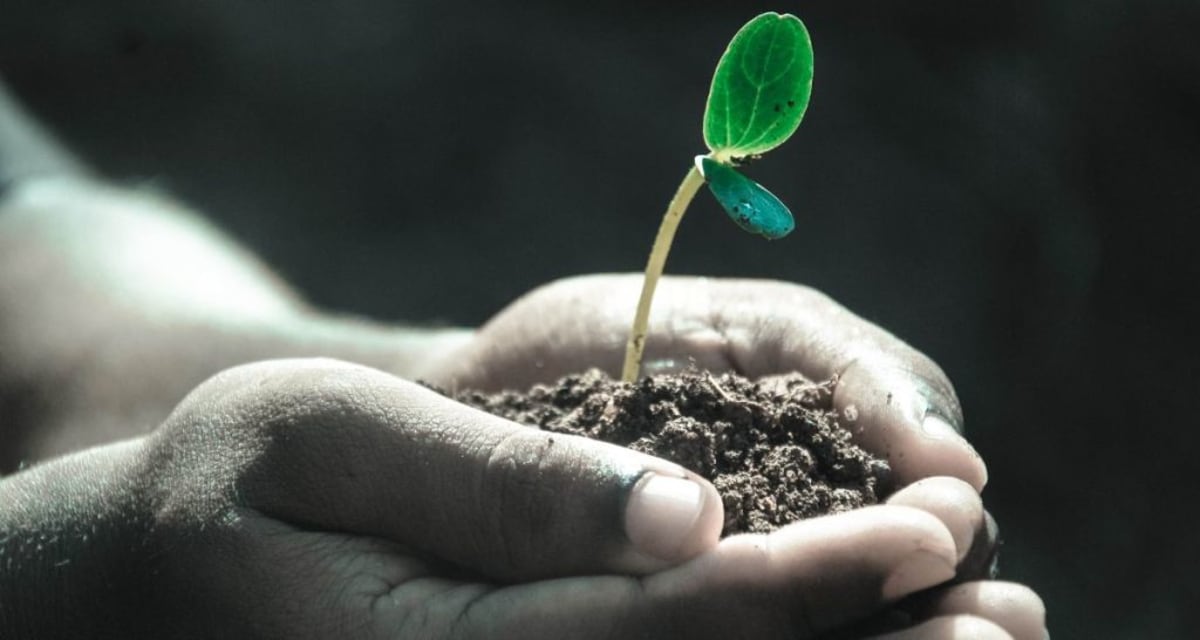
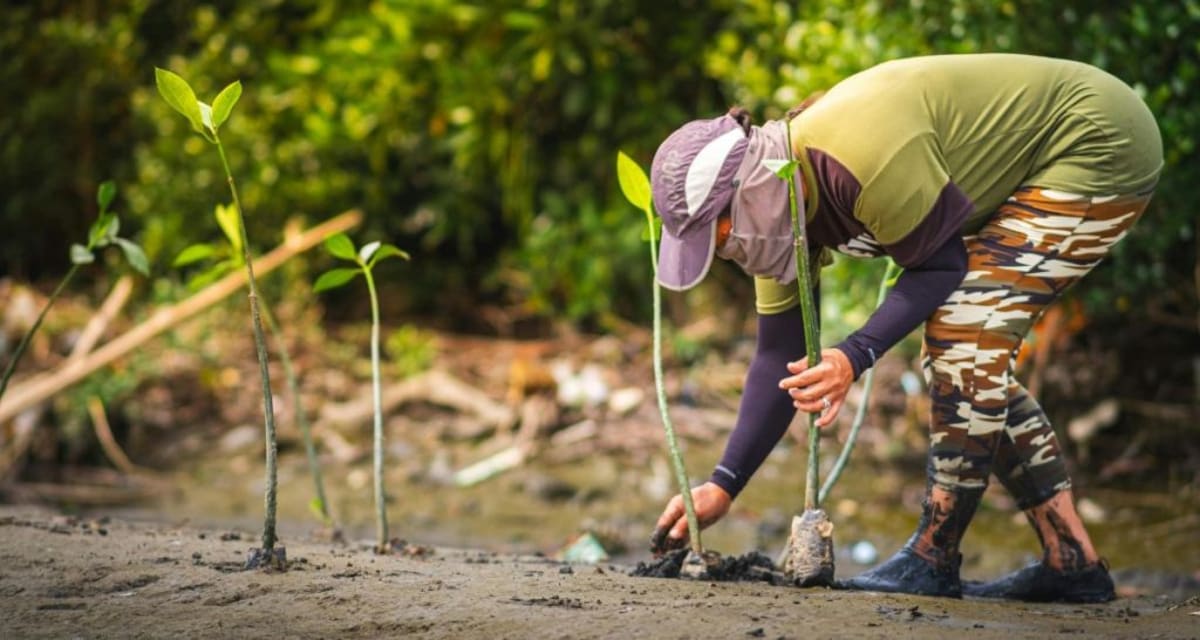
That observation sparked a revolutionary idea. Instead of planting large, mature trees far apart, Miyawaki tried something radical: packing three to five small native saplings and shrubs into every square meter of space.
The dense planting forced young trees to compete for sunlight and nutrients, making them grow up to ten times faster than normal. The crowded conditions naturally created layered, self-sustaining ecosystems that thrived without constant human management.
Many experts doubted the approach would work. Planting so many young trees close together defied conventional forestry wisdom, and critics questioned whether these forests could survive on their own.
But Miyawaki proved them wrong. His forests developed quickly, forming interconnected ecosystems that improved soil conditions, retained water, and created wildlife habitats.
The Ripple Effect
The Miyawaki Method spread far beyond Japan's borders. Communities and environmental groups worldwide began using his technique to restore forests in cities and damaged landscapes.
Today, pocket forests based on his research grow on every continent. Urban neighborhoods transform parking lots into thriving green spaces, while damaged ecosystems recover faster than anyone thought possible.
Miyawaki passed away in 2021 at age 93, but his legacy continues growing stronger every year. His work transformed how the world thinks about rebuilding forests, proving that sometimes the best solutions for tomorrow's problems are written in the wisdom of the past.
Nature already knew how to heal itself; Miyawaki just helped us remember how to listen.
More Images

Based on reporting by Google News - Reforestation
This story was written by BrightWire based on verified news reports.
Spread the positivity!
Share this good news with someone who needs it