Japanese Film Turns Caregiving Struggle Into Art
A Japanese director transformed his personal experience caring for his mother with ALS into a moving film that's giving voice to millions of family caregivers. "90 Meters" shows the reality of caregiving while finding beauty in life's hardest moments.
A high school senior caring for his mother while classmates plan karaoke sessions doesn't sound like uplifting cinema. But Japanese director Shun Nakagawa found something powerful in his own caregiving story.
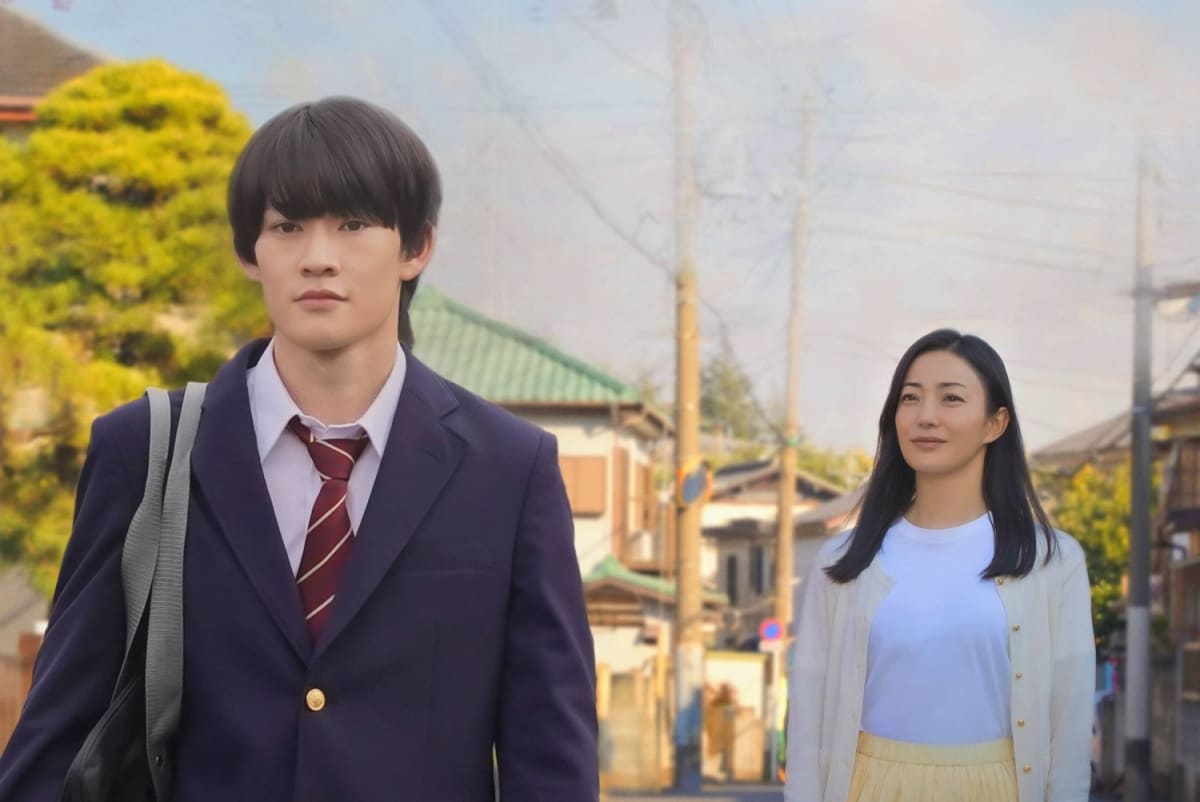
His semi-autobiographical film "90 Meters" follows Tasuku, a teenager caring for his mother Misaki, who has ALS. The disease has left her completely dependent on others for daily needs. While his friends enjoy normal teenage life, Tasuku carries his mother from bed to toilet and back each day.
Japan faces a growing caregiving crisis as its population ages faster than almost anywhere else. Municipalities send home helpers, but round-the-clock care remains rare. That leaves family members, often young ones, filling crucial gaps in care.
Nakagawa lived this reality before turning it into art. His film could easily drown in sadness, showing a teen losing his youth to his mother's terminal decline. Instead, it offers something different.
The story finds light in the darkest places. By sharing his experience through film, Nakagawa validates what millions of family caregivers face daily. He shows that these stories deserve to be told, that this invisible labor matters, and that finding meaning in caregiving isn't just possible but essential.
The film's title comes from a small but significant detail in the caregiving routine. Those 90 meters represent the daily journey of care, a measurement that captures both the physical reality and emotional weight of the experience.
Why This Inspires
Nakagawa didn't hide from his hardest moments or sugarcoat the exhaustion. Instead, he transformed personal pain into universal art that helps others feel less alone. His willingness to share such an intimate struggle creates connection across cultures and circumstances.
The film reminds us that caregivers, especially young ones, carry enormous burdens mostly unseen. By bringing their reality to screen, Nakagawa creates space for broader conversations about support, resources, and recognition.
When someone turns their most difficult chapter into a gift for others, that's not just filmmaking, that's courage worth celebrating.
More Images

Based on reporting by Japan Times
This story was written by BrightWire based on verified news reports.
Spread the positivity!
Share this good news with someone who needs it