Japanese Fishing Tech Transforms Lives in Philippines
A coastal town in the Philippines adapted Japanese fishing technology to triple catches and unite 54 families. The Lambaklad system proves that shared resources can lift entire communities out of poverty.
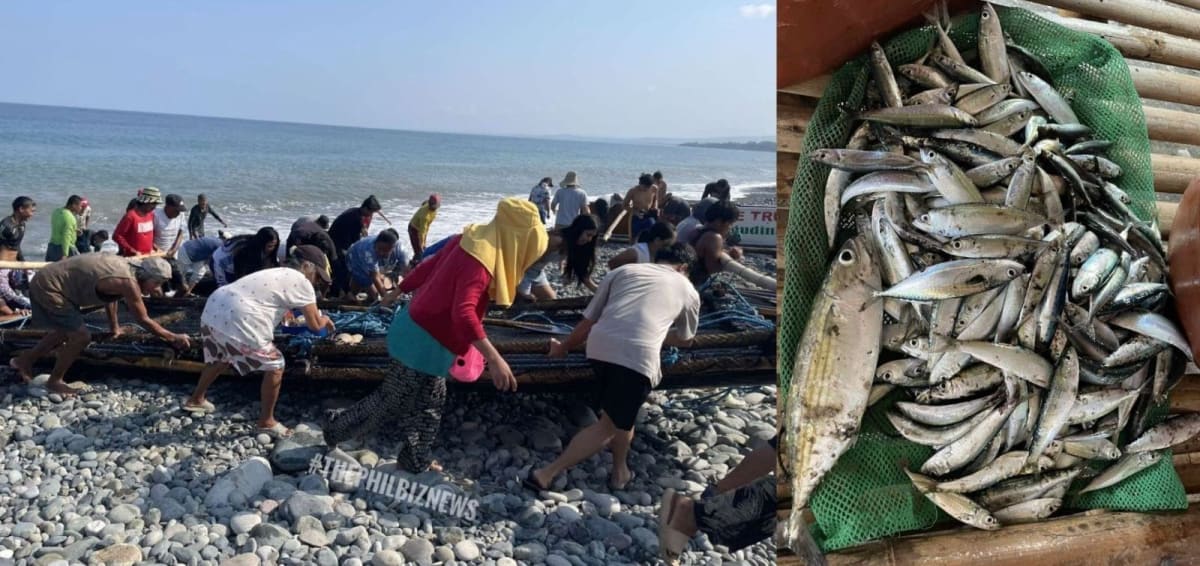
In Tagudin, a small fishing town facing the West Philippine Sea, families are pulling in catches they never thought possible.
The secret? A Japanese fishing technique called otoshi-ami, reimagined by Filipino fisherfolk as "Lambaklad." The name blends two Filipino words: lambat (net) and baklad (fish corral). Together, they describe large stationary nets anchored in deep coastal waters that catch migratory fish like tuna, mackerel, and marlin.
Edgar Labiano, the municipal fisher coordinator, leads a group of 54 families from 11 coastal villages. On an average fishing day, they haul in 80 to 100 kilograms of fish. Their best day? A stunning 407 kilograms in a single haul.
For families who once struggled with unpredictable catches and dwindling resources, these numbers mean everything. More fish means food on the table, tuition for kids, and money to repair homes after storms.
But Labiano insists the project isn't just about bigger catches. He requires all members to use three-centimeter mesh nets that let juvenile fish escape. This protects fish populations for future generations while still providing enough for today's families.
Leonardo Acosta, chairman of the Lambaklad Association in Pudoc West, says the pooled resources changed how fishing families survive. Before, individual fishers struggled to afford fuel for their boats. Now they share costs and split profits, making the work sustainable for everyone.
The collective earnings don't just feed families. Part of the income goes back into the village, funding concrete flooring, hollow blocks for construction, and storage facilities for goods. What started as a fishing project became a community development engine.
The Bureau of Fisheries and Aquatic Resources supports the initiative with fuel subsidies. Local government officials see Lambaklad as proof that technology can enhance tradition without replacing it. The wisdom of experienced fisherfolk remains central, while Japanese innovation provides tools that make their work more efficient.
The Ripple Effect
The transformation in Tagudin extends far beyond the fishing boats. Young people who once left for cities are returning home, seeing a viable future in fishing for the first time. Families that competed for scarce fish now work together, building trust that strengthens the entire community.
Women in fishing households have gained more stability too. With predictable income, they can plan household budgets, invest in small businesses, and send children to school consistently. The partnership model has shown neighboring villages what's possible when communities organize around shared goals.
Tagudin's success demonstrates how international cooperation works best when it meets local needs. Japan shared the technology, but Filipino fisherfolk adapted it to their waters, their culture, and their vision of a sustainable future.
This fishing method that crossed oceans now anchors hope in Philippine coastal communities, proving that the best innovations honor both heritage and progress.
More Images

Based on reporting by Google News - Japan Innovation
This story was written by BrightWire based on verified news reports.
Spread the positivity!
Share this good news with someone who needs it