Japanese Lab Creates Battery That Never Degrades After 500 Uses
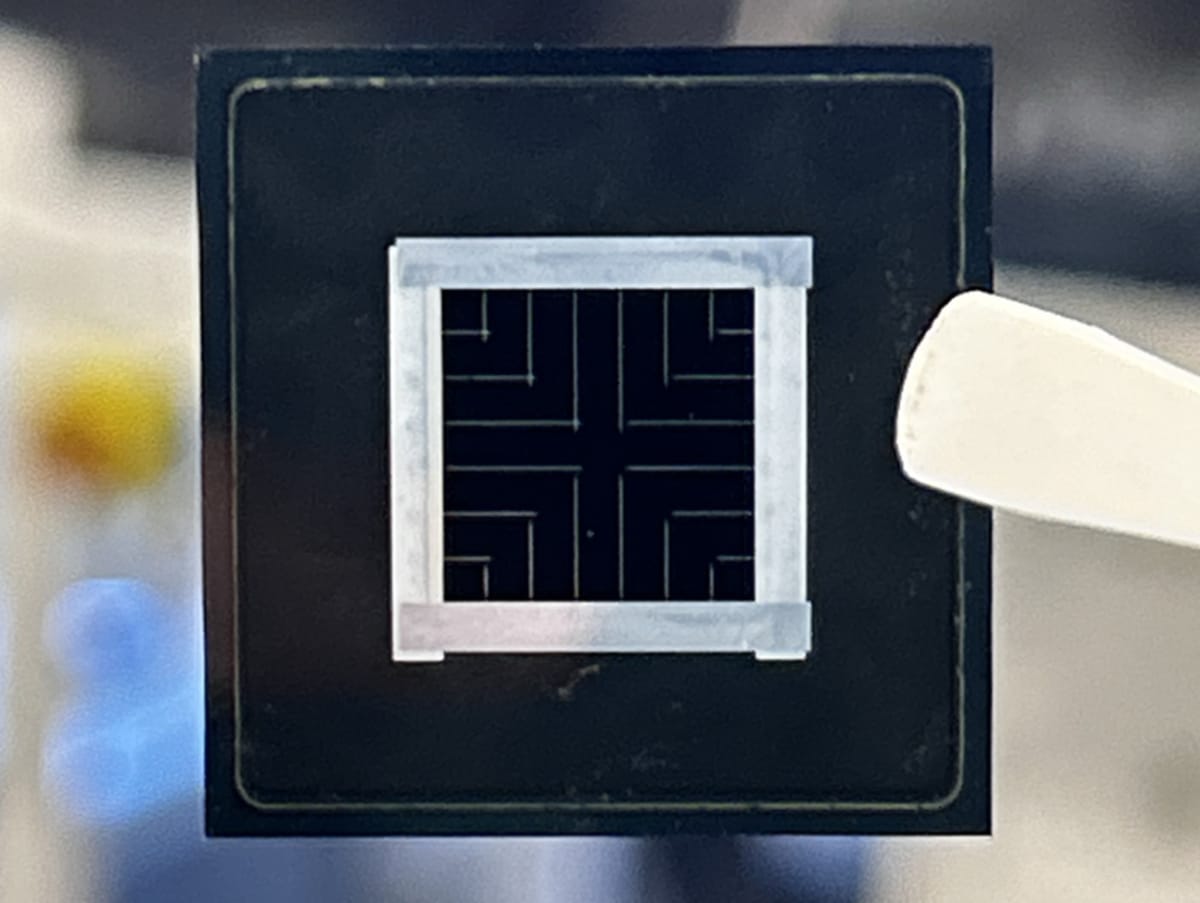
Scientists in Japan solved a decades-old battery problem that could make electric cars cheaper and last longer without using controversial cobalt. The breakthrough uses abundant manganese instead, potentially accelerating our shift to clean energy.
Your phone battery losing its charge after a year might soon become a problem of the past, thanks to a breakthrough from researchers at Tohoku University in Japan.
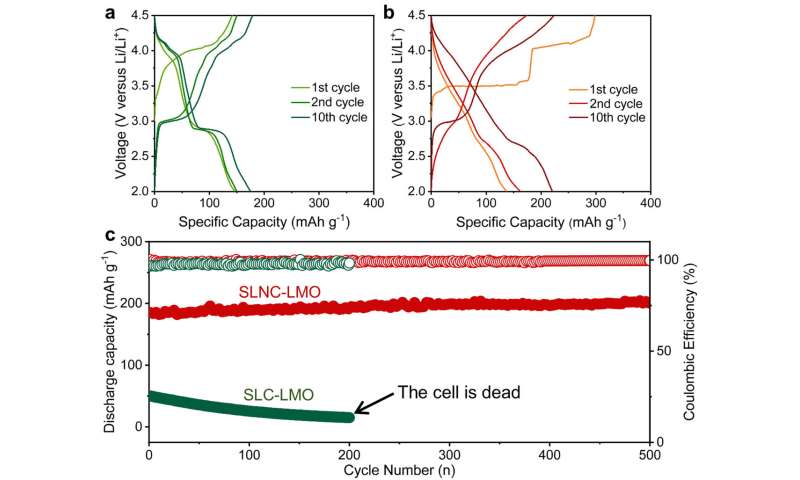
Scientists there just cracked a puzzle that's stumped battery experts for decades. They figured out how to make powerful lithium batteries using manganese instead of cobalt, and the results are stunning: zero degradation after 500 charging cycles.
Here's why that matters. Current batteries in electric cars and smartphones rely heavily on cobalt, a metal that's expensive, scarce, and often mined under questionable ethical conditions. Manganese, on the other hand, is abundant, cheap, and environmentally friendly.
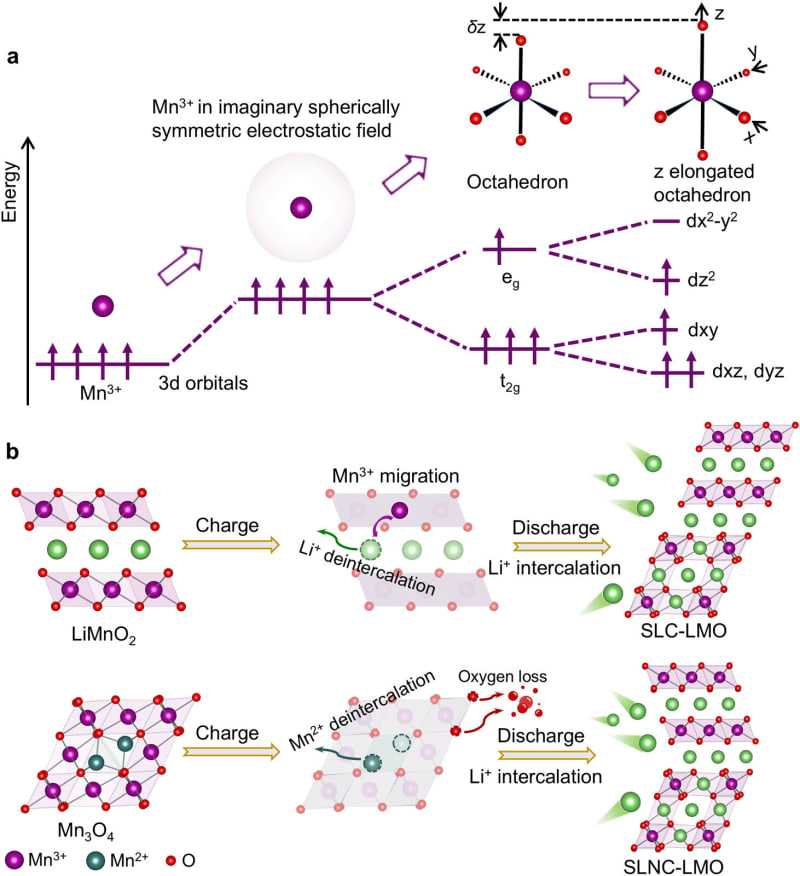
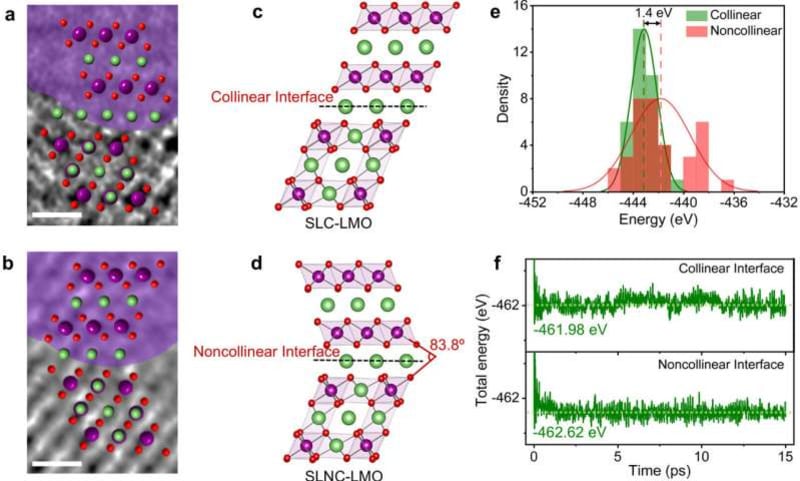
The problem has always been that manganese batteries suffer from something called Jahn-Teller distortions. Think of it like the battery's structure getting wobbly and collapsing over time, making it useless.
The research team, led by Distinguished Professor Hao Li, tackled this instability at the atomic level. Instead of using surface coatings like Band-Aids, they redesigned how atoms arrange themselves inside the battery's positive end. By creating what they call "noncollinear interfaces," they essentially frustrated the distortions from ever forming in the first place.
Their results were published in the Journal of the American Chemical Society this February, and the implications are massive.
The Ripple Effect
This isn't just about your phone lasting longer, though that's a nice bonus. Electric vehicles could become significantly more affordable, with batteries that maintain their driving range year after year. No more watching your car's performance slowly decline.
But the real game-changer might be renewable energy storage. Wind and solar farms need reliable, inexpensive batteries to store power for when the sun isn't shining or the wind isn't blowing. Stable manganese batteries could make that economically viable at massive scales.
Professor Li notes that this technology could also work for sodium-ion batteries, opening even more possibilities for cheap energy storage. Since manganese is so abundant and low-cost, these batteries could be manufactured worldwide without supply chain bottlenecks.
The environmental benefits extend beyond just powering electric cars. By accelerating the transition to clean energy storage, this breakthrough could help reduce carbon emissions globally and support our shift away from fossil fuels.
The technology is still in the research phase, but the team's success in achieving perfect cycling stability proves the concept works. A future with affordable electric vehicles and reliable renewable energy just got a lot closer.
More Images
Based on reporting by Phys.org - Technology
This story was written by BrightWire based on verified news reports.
Spread the positivity!
Share this good news with someone who needs it