Japanese Parents Teach Responsibility Through Daily Habits
Japanese families are raising thoughtful, responsible children through simple everyday practices that emphasize respect, gratitude, and shared responsibility. These aren't strict parenting rules but small rituals woven into daily life that teach children to consider others and care for their surroundings. #
A child removing their shoes before entering home, thanking farmers before eating rice, and tidying their classroom without being asked might seem like small acts. But in Japan, these daily habits are quietly shaping a generation of children who understand responsibility, empathy, and community care.
Japanese parenting doesn't rely on complex techniques or strict discipline charts. Instead, families weave consideration for others into everyday moments, creating patterns that children absorb naturally over time.
Each morning starts with greetings. Children learn to acknowledge teachers, neighbors, and classmates with simple hellos. This ordinary practice teaches awareness of others from the earliest age, building a foundation for respectful interaction.
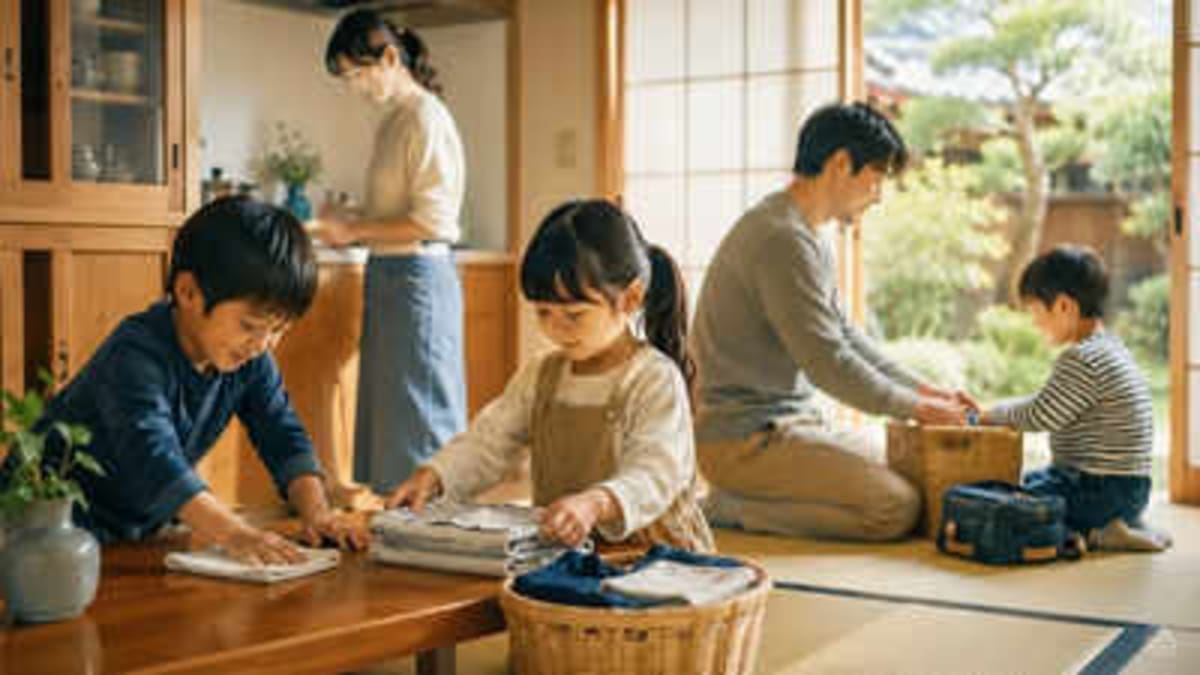
Household tasks begin remarkably early. Instead of rushing to clean up toys or clear dishes themselves, Japanese parents invite children to participate. The folding might be imperfect and the cleanup slower, but children learn that shared spaces require shared effort.
Objects receive careful treatment too. Rooted partly in traditional beliefs about spirits in nature, families teach children to respect their belongings. Books get properly shelved, school supplies are handled with care. The practice cultivates mindfulness about possessions and reduces wastefulness.
After conflicts, conversations shift focus. Rather than only addressing rule-breaking, parents ask children to consider how others felt. This perspective-taking helps children recognize that their actions create ripples affecting everyone around them.
Common Japanese phrases around sharing carry deeper meaning. When handing something to another person, the words used frame generosity as positive rather than sacrificial. Children practice offering toys, helping friends, and taking turns as normal, rewarding experiences.
The shoe-removing custom creates more than clean floors. It establishes a clear boundary between outside chaos and peaceful home space. Children absorb the routine without lengthy explanations, learning about order and transitions.
Meals become gratitude moments. Before eating, many families recite traditional words thanking everyone who made the food possible, from farmers to family cooks. Children realize meals don't appear magically but result from many people's work and care.
Single-tasking gets emphasized over rushing. Families focus fully on the current activity, whether eating dinner, painting, or reading. Children learn concentration by practicing presence rather than constantly multitasking.
Why This Inspires
These practices work because they're consistent and embedded in daily rhythms rather than presented as lessons. Children don't learn responsibility through lectures but through hundreds of small moments where they practice caring for spaces, acknowledging others, and thinking beyond themselves. The approach proves that character development doesn't require dramatic interventions, just thoughtful everyday habits repeated with patience.
What makes this approach powerful is its simplicity and how naturally it fits into ordinary family life anywhere.
#
More Images



Based on reporting by Times of India - Good News
This story was written by BrightWire based on verified news reports.
Spread the positivity!
Share this good news with someone who needs it