Japanese Scientists Create Wireless Damage-Sensing Packaging
Researchers in Japan have developed origami-inspired packaging that wirelessly detects damage during shipping, no batteries needed. The innovation could transform how we protect everything from fresh produce to fragile goods.
Imagine if your delivery boxes could tell you exactly when and how your package got damaged, without any wires or batteries to maintain.
Scientists at Shibaura Institute of Technology in Japan have turned that vision into reality. Led by Associate Professor Hiroki Shigemune, the team created smart cushioning material inspired by traditional origami paper folding that monitors shipping damage in real time.
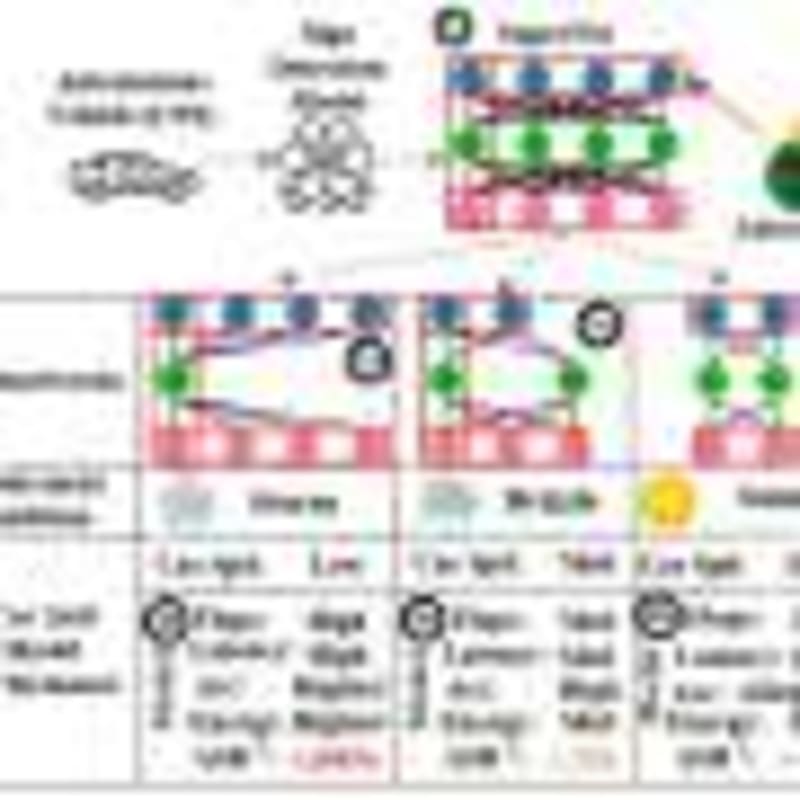
The device, called a self-folded origami honeycomb device, works through an elegantly simple process. Researchers print special patterns onto paper that automatically fold into three-dimensional honeycomb structures. When pressure is applied during shipping, the structure changes shape in predictable ways.
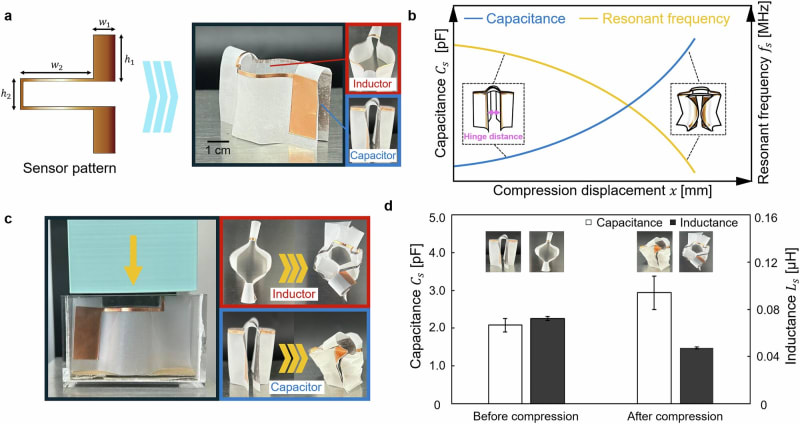
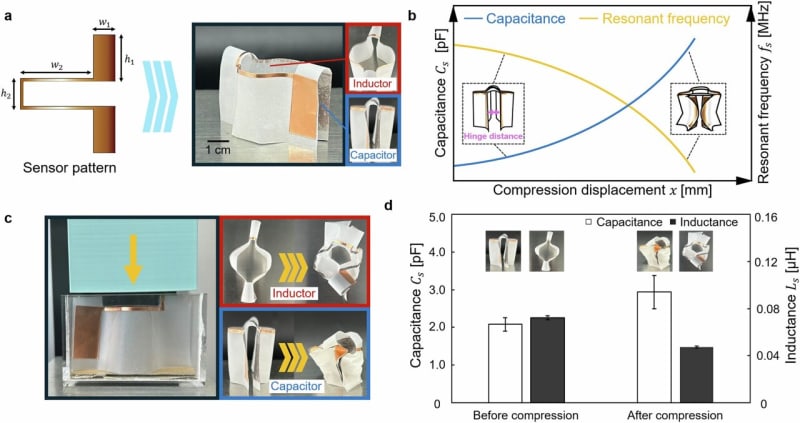
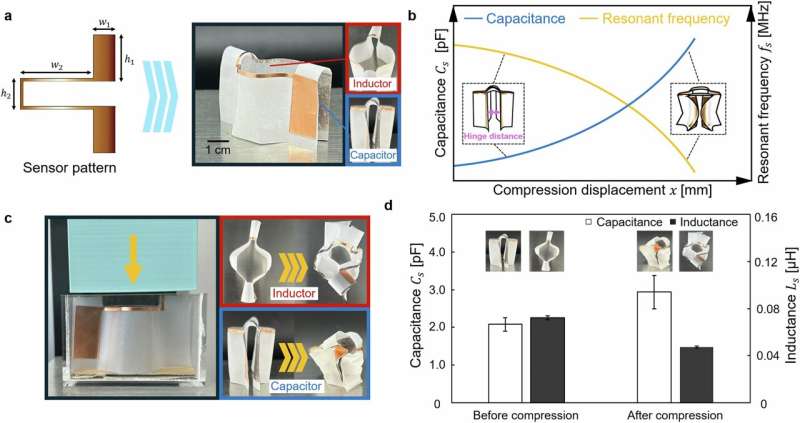
Here's where it gets clever. The team embedded copper sensors into the folded hinges that act like tiny wireless transmitters. As the package gets compressed or impacted, the distance between these sensors changes, sending a signal that can be detected remotely. No batteries, no wires, no complicated electronics.
The research team spent months perfecting the design. Their first version worked but gave inconsistent readings because the sensors themselves were getting squished. So they repositioned the sensors on the cell walls and connected them to external components, creating a much more reliable system.
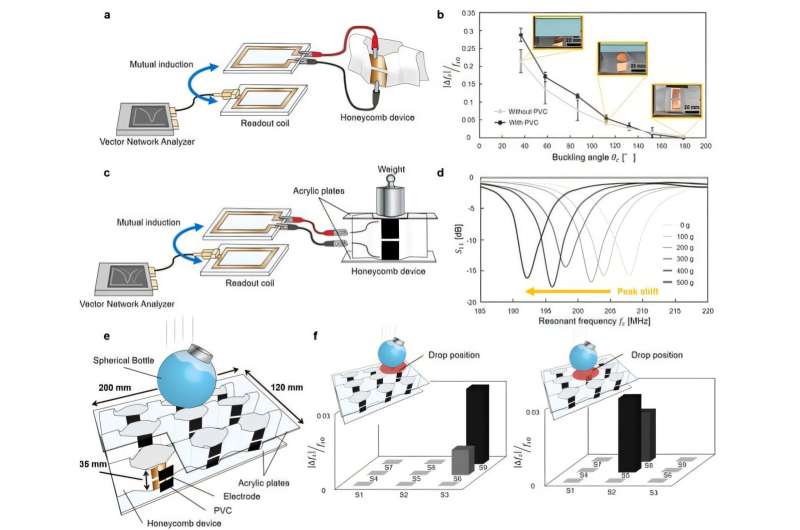
After testing six different configurations, they found the sweet spot: sensors spaced 3 millimeters apart with a layer of PVC tape for better sensitivity. The optimized design showed remarkable accuracy in real-world tests.
The team demonstrated two practical uses. First, they showed the cushioning could accurately measure the weight of packages. Then they tested whether it could detect damage from falling objects. Both scenarios worked beautifully, with the device wirelessly reporting exactly what happened.
Why This Inspires
This breakthrough tackles a massive real-world problem. Billions of dollars in goods get damaged during shipping every year, from bruised apples to broken electronics. Until now, companies had no way to know when or where damage occurred without expensive monitoring systems requiring constant maintenance.
The origami approach changes everything. The cushioning is cheap to produce, requires zero maintenance, and works indefinitely without batteries. Farmers shipping delicate fruits could finally track exactly which part of the journey damages their produce. Delivery companies could identify problem points in their networks. Consumers could prove when damage actually occurred.
What makes this especially exciting is how accessible the technology is. The materials are inexpensive, the manufacturing process is straightforward, and the wireless monitoring works with standard equipment. That means real adoption could happen quickly, not decades from now.
The team published their findings in npj Flexible Electronics, opening the door for other researchers and companies to build on their work. Dr. Shigemune envisions applications across agriculture, everyday deliveries, and anywhere fragile goods need protection.
From ancient paper-folding art to cutting-edge logistics technology, this innovation proves that sometimes the best solutions blend old wisdom with new science.
More Images
Based on reporting by Phys.org - Technology
This story was written by BrightWire based on verified news reports.
Spread the positivity!
Share this good news with someone who needs it