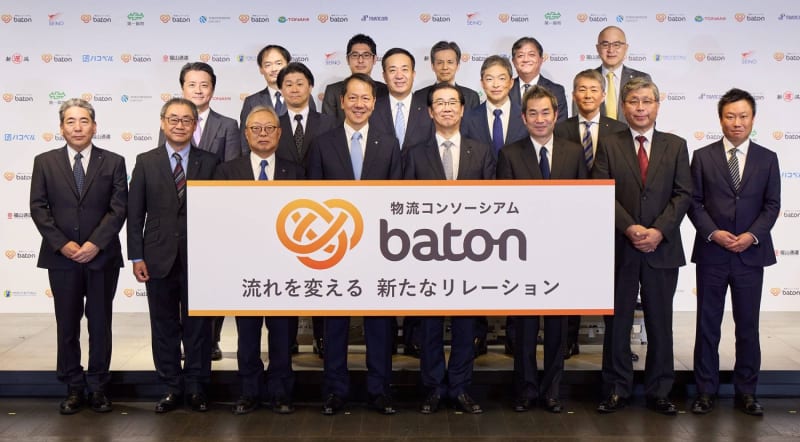
Japan's 11-Company Alliance Tackles Driver Shortages
Eleven Japanese companies just launched a groundbreaking logistics consortium that could solve a crisis threatening to leave 940 million tons of goods undelivered by 2030. Their solution puts drivers' wellbeing first while saving the planet.
Japan's trucking industry faces a crisis that could cripple the nation's economy, but a coalition of 11 companies just unveiled a solution that improves drivers' lives while fixing the problem.
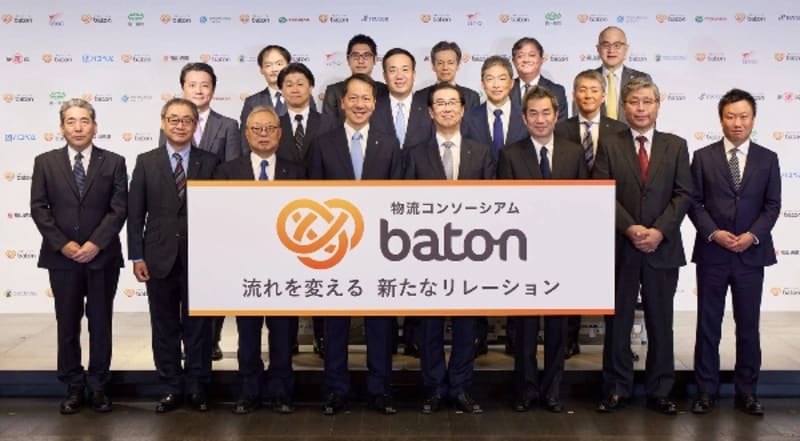
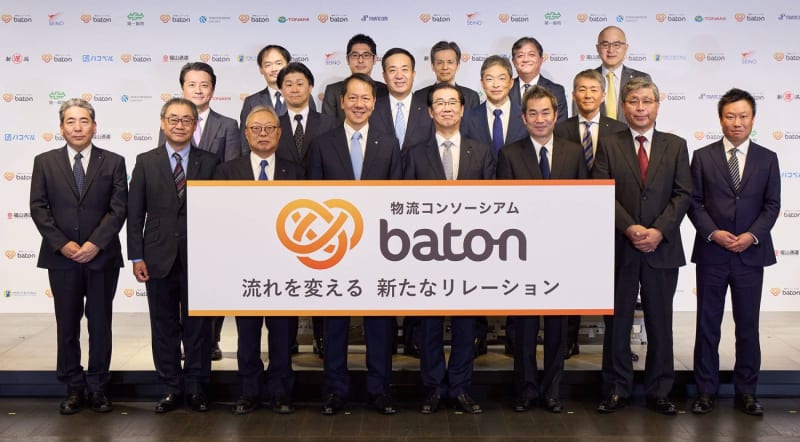
The Logistics Consortium baton launched in November 2024 with a bold mission: transform how Japan moves goods across the country. Without action, the nation faces a 34% shortage in transportation capacity by 2030, equivalent to nearly a billion tons of stranded cargo.
The consortium's answer is relay trucking, where drivers hand off their trucks to fresh colleagues at midpoint stations instead of driving grueling cross-country routes. Think of it like a relay race, except the baton is an 18-wheeler and the prize is getting home to family every night.
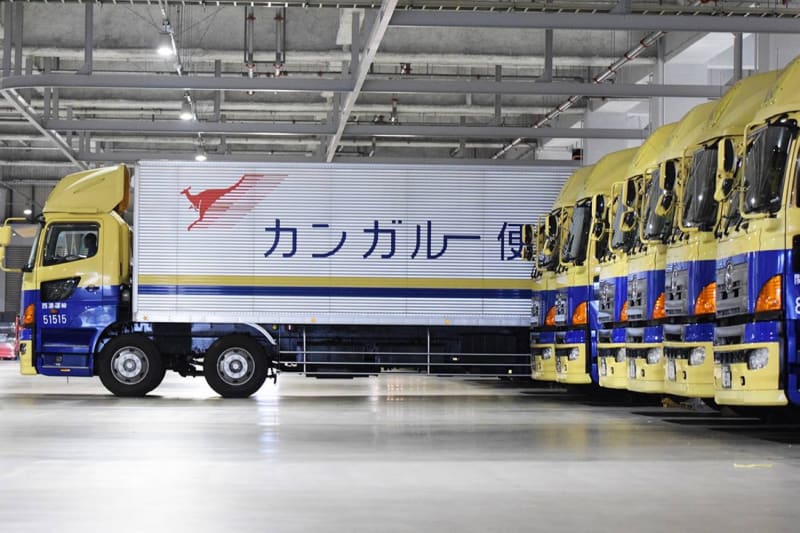
Seino Holdings, a 90-year-old logistics leader, already tested the model on some routes and brought those lessons to the table. Now they're partnering with Fukuyama Transporting to run goods between Fujisawa and Osaka using driver handoffs, while other members tackle the Tokyo-Osaka corridor.
The consortium did something remarkable before launching: they analyzed data from 13,000 shipments to find the best routes for relay transport. This marked the first time Japanese carriers pooled their operational data to solve a shared problem.
The two-month pilot starting next month will test everything from truck handoffs to handling delays at changeover points. Drivers will work shorter shifts with predictable schedules, a huge win for an industry struggling to attract young workers.
But the consortium isn't stopping at driver welfare. Seino already runs electric trucks, double-trailer combinations, and reusable packaging to slash carbon emissions. Relay transport cuts fuel use even further by optimizing routes and reducing empty miles.
The Ripple Effect
What started with 11 companies is already attracting attention from IT firms, healthcare providers, facility developers, and leasing companies. Each brings specialized expertise the consortium needs to scale nationwide: tech for route optimization, health services for driver wellness, real estate for relay hubs.
The consortium plans to build a shared database and develop apps that let any participating carrier seamlessly hand off shipments. This collaborative spirit represents a seismic shift in an industry known for fierce competition.
Japan's government laid the groundwork with 2021 logistics guidelines, but these companies are proving that business cooperation can solve problems policy alone cannot. Their success could inspire similar partnerships worldwide as other nations face identical driver shortages and climate pressures.
After the pilot wraps up, baton plans to expand the relay network across Japan's busiest freight corridors, turning a patchwork of individual companies into a synchronized national system that works better for everyone.
More Images

Based on reporting by Japan Times
This story was written by BrightWire based on verified news reports.
Spread the positivity!
Share this good news with someone who needs it