Japan's Ancient Tanka Poetry Finds New Life on Twitter
A single tweet with 31 syllables launched a poet's career and reignited interest in Japan's oldest verse form. Now thousands of young Japanese are sharing tanka daily, turning a 1,300-year-old art into social media's newest creative outlet.
When Maho Okamoto posted "Are you sure you want me? I'm lazy and have all these umbrellas" on Twitter in 2018, she had no idea her 31-syllable poem would change her life. The tanka went viral with over 55,000 likes, launched her publishing career, and sparked a poetry renaissance among Japan's younger generation.
Tanka is one of Japan's oldest poetic forms, dating back more than 1,300 years. Written in a 5-7-5-7-7 syllable structure, it predates its famous cousin haiku by centuries.
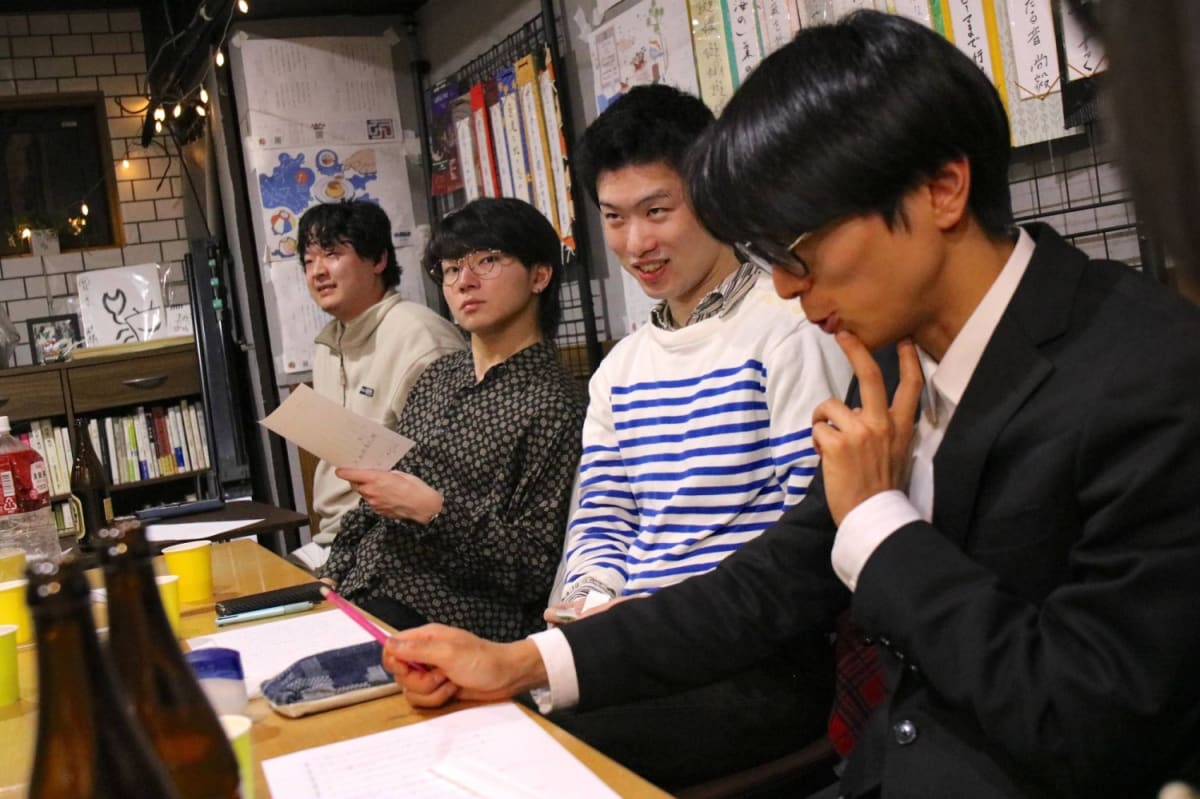
What makes tanka special is its focus on human connection rather than nature. "Haiku is more descriptive of the environment," says researcher Damiana De Gennaro from Stockholm University. "But what tanka does is communication between people."
Okamoto's poem inspired thousands to create their own versions, swapping "umbrellas" for "open tabs" or "clean clothes sitting in the dryer." This playful remix culture actually has deep roots in tanka tradition through a practice called "honkadori," where poets honor earlier works by borrowing their phrases and structures.
The pandemic supercharged interest as isolated people turned to what some jokingly called "granny hobbies" like knitting, gardening, and poetry. An estimated 1,000 to 3,000 posts tagged with #tanka now appear daily on social media.
Towa Morisaki rediscovered tanka after a decade away and now writes collections about live music, capturing moments like leaving her work persona in a concert locker. "I wrote 20 tanka about last week's Lady Gaga concert," the 40-year-old poet says.
Major publishers have noticed. Where writers once needed industry connections to break in, editors now scout talent online and include social media poets in anthologies. Author Tatsuya Kinoshita built his following by writing personalized poems for followers, which became his 2022 bestselling collection.
The Ripple Effect
The tanka revival is creating real opportunities for emerging voices. Publishing house Kankanbou launched its "Emerging Tanka Poets Series" in 2013, helping young writers break into a field once dominated by established names. Kadokawa Shoten, one of Japan's largest publishers, now pairs poets with manga illustrators for museum exhibitions, introducing classical forms to new audiences through contemporary art.
Tanka's accessibility makes it perfect for our digital age. It requires no seasonal references, uses everyday language, and can be written quickly on a phone. The form's built-in brevity fits naturally into a tweet or text message.
Even Machi Tawara, who sparked a tanka boom in 1987 with her collection "Salad Anniversary," has embraced the digital shift with over 329,000 social media followers. She's watching a new generation discover what she always knew: that 31 syllables can capture entire worlds of feeling.
More Images
Based on reporting by Japan Times
This story was written by BrightWire based on verified news reports.
Spread the positivity!
Share this good news with someone who needs it