Japan's Figure Skating Dream: Kids Chasing Olympic Gold
Eleven-year-old Kanon Amagai practices her spins at a Tokyo ice rink, one of thousands of Japanese children dreaming of becoming the next Yuzuru Hanyu. From zero medals to world powerhouse in just 30 years, Japan's figure skating success story shows how heroes inspire entire generations.
At ice rinks across Japan, children as young as three take their first wobbly steps onto the ice, chasing dreams sparked by watching Olympic champions on TV.
Eleven-year-old Kanon Amagai started skating five years ago at the Seibu Higashifushimi Figure Skating Club in Tokyo. "I saw it on TV and thought it was cool," she says, now practicing jumps alongside more than 200 club members who range from age 4 to over 70.
Japan won its first figure skating medal in 1992 when Midori Ito claimed silver. Today, the nation stands among the sport's elite powers, sending top skaters Kaori Sakamoto and Yuma Kagiyama to compete at next month's Milano Cortina Games.
The transformation started with Ito, who became the first woman to land a triple axel in competition. Her coach, 82-year-old Machiko Yamada, remembers how Ito proved Japanese skaters could win on the world stage. "Russian coaches used to joke that she had springs on the soles of her skates," Yamada recalls.
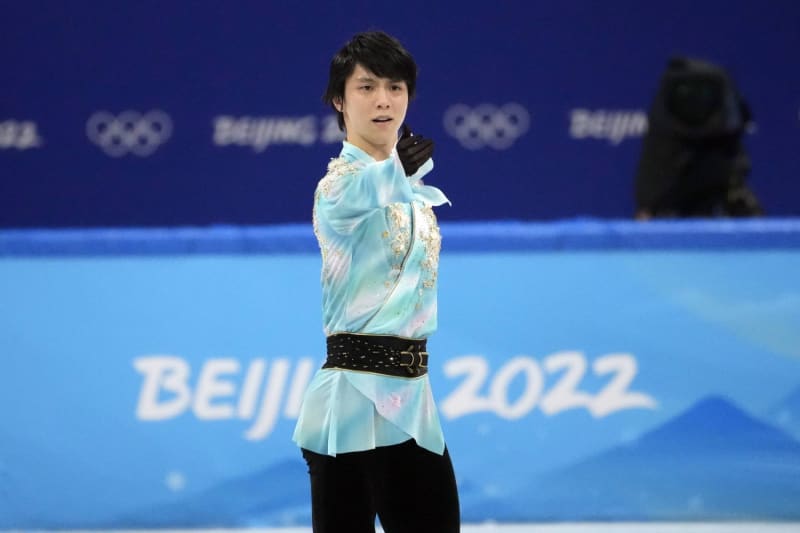
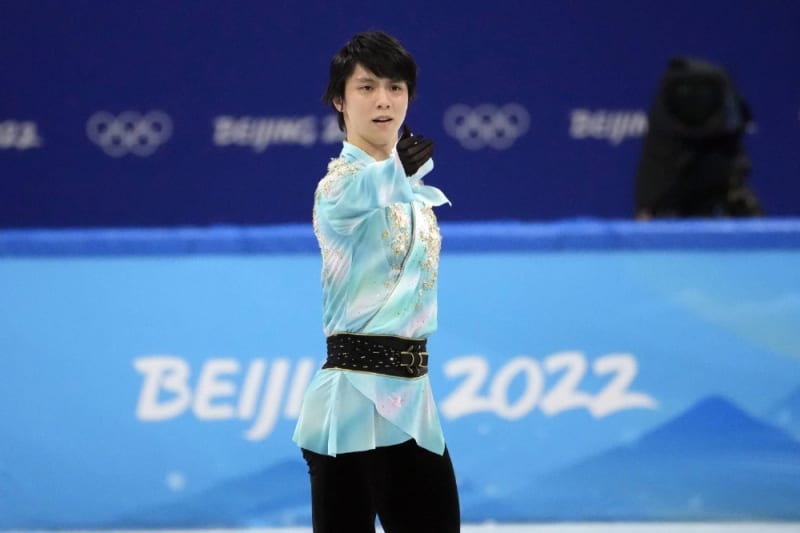
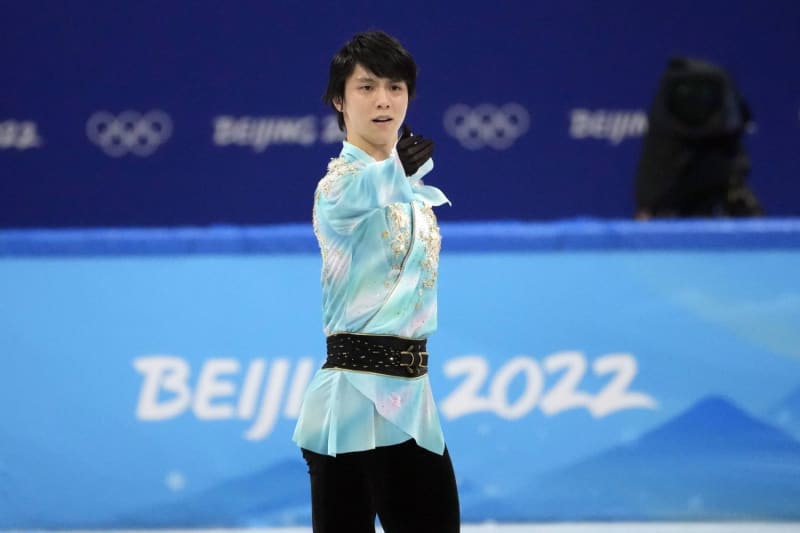
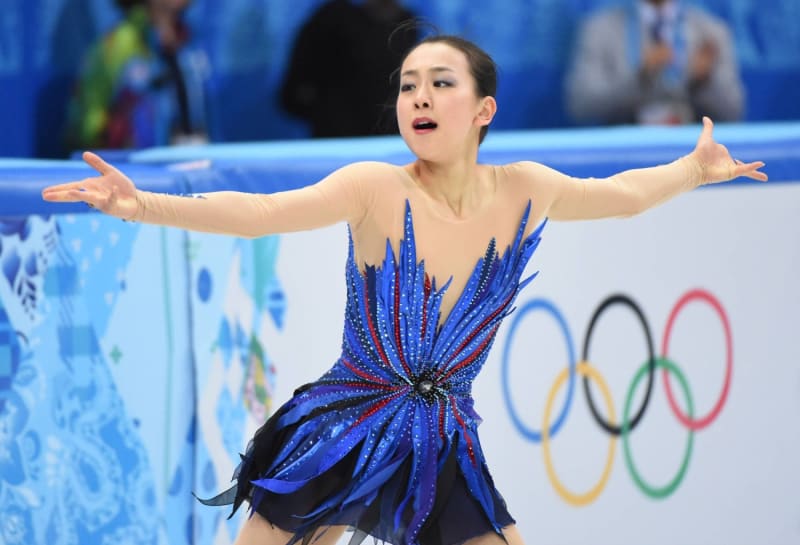
Then came Mao Asada, known affectionately as "Mao-chan," who won three world titles and captured the nation's heart with her sunny personality. Yuzuru Hanyu followed, inspiring such fierce devotion that fans showered the ice with Winnie the Pooh toys after his performances.
The "Ice Prince" won two Olympic gold medals before retiring in 2022, but his legacy lives on in rinks nationwide. Around half the children at the Tokyo club harbor serious Olympic ambitions, practicing daily to turn those dreams into reality.
Why This Inspires
Former skater and current coach Ayaka Hosoda sees the pattern clearly. Watching world-class athletes perform in person makes Olympic dreams feel achievable, not impossible. "It feels like something close and familiar," she says.
Instructor Yuka Ishikawa believes Japanese culture plays a role too. "Japanese people are very meticulous and pay attention to the finest details when they practice," she explains. That dedication, combined with visible role models, creates a pipeline of talent.
The future already shines bright. Mao Shimada, named after her hero Asada, has won the junior world title three consecutive years. She only missed the Olympic team because she's too young to compete.
Three-time world champion Sakamoto, who will retire after this season, explains Japan's sustained success simply: "Everyone works so diligently and pushes each other to improve."
From Ito's groundbreaking triple axel to today's packed ice rinks full of aspiring champions, Japan proves that inspiration multiplies when children see their dreams reflected in their heroes.
More Images
Based on reporting by Japan Times
This story was written by BrightWire based on verified news reports.
Spread the positivity!
Share this good news with someone who needs it