Japan's Hayabusa2 Aims for Record Asteroid Flyby July 5
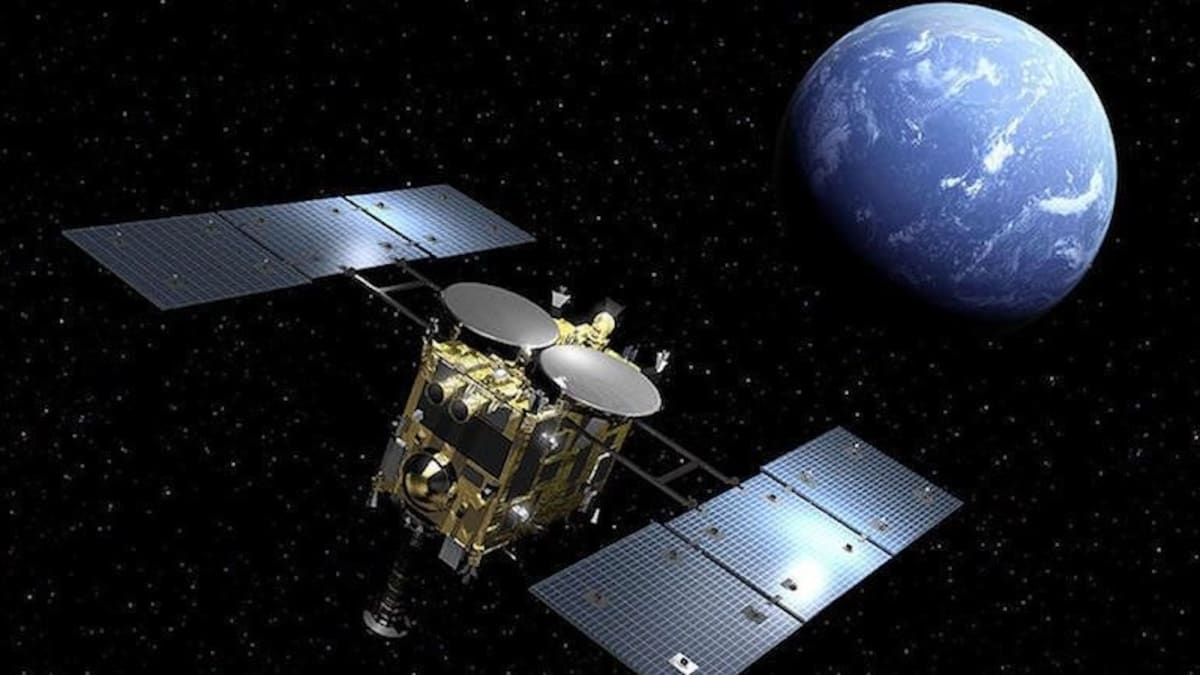
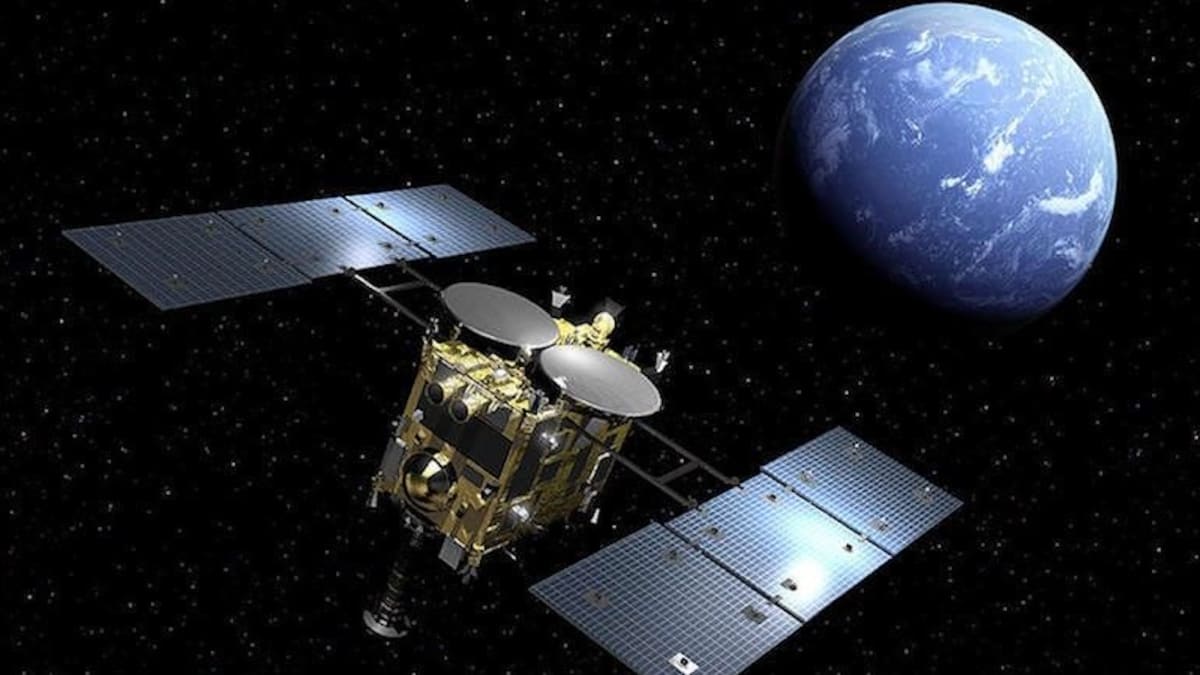
Japan's resilient Hayabusa2 spacecraft is preparing to fly closer to an asteroid than almost any mission before. After delivering precious space samples to Earth in 2020, the hardy explorer is proving there's plenty of science left in the tank.
A spacecraft that already completed its main mission is about to attempt one of the closest asteroid flybys ever recorded, and scientists are buzzing with excitement about what mysteries it might reveal.
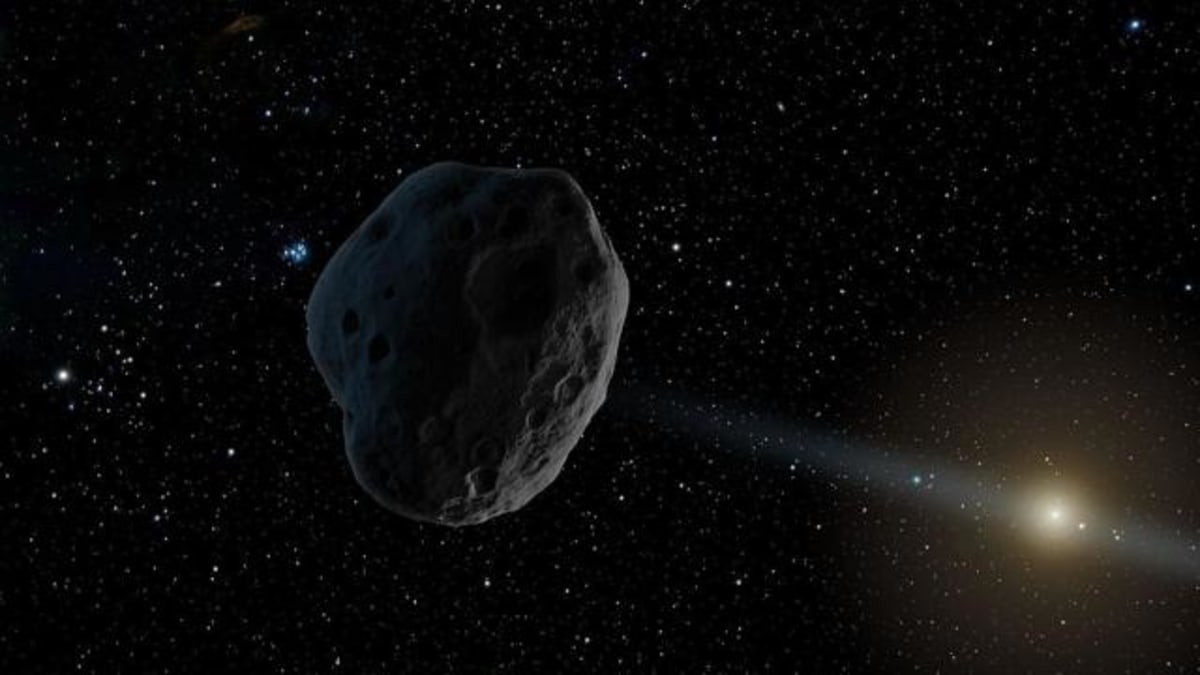
Japan's Hayabusa2 spacecraft will zip past the asteroid Torifune on July 5, getting within just 0.6 to 6 miles of its surface. That's incredibly close for a spacecraft traveling at over 3 miles per second, making this a remarkable feat of space navigation.
Hayabusa2 has already proven itself a champion. Launched in 2014, it spent years collecting samples from the asteroid Ryugu before successfully delivering them to Earth in 2020. But instead of calling it quits, the spacecraft kept going, ready to gather even more valuable data about our solar system.
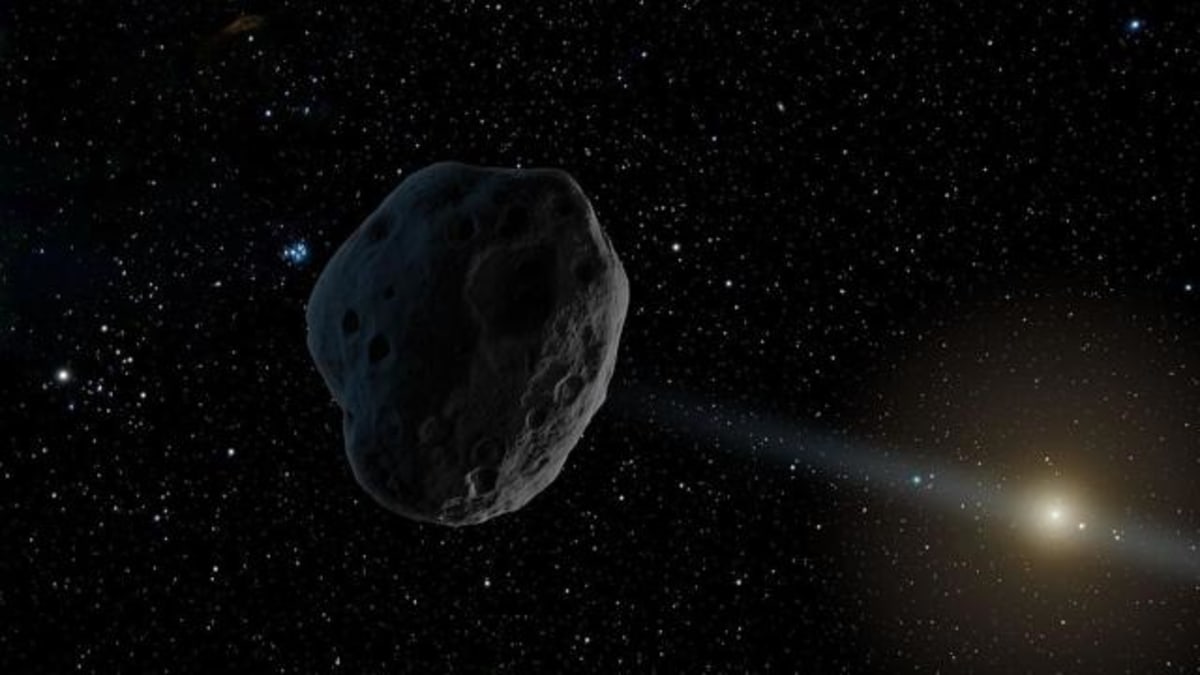
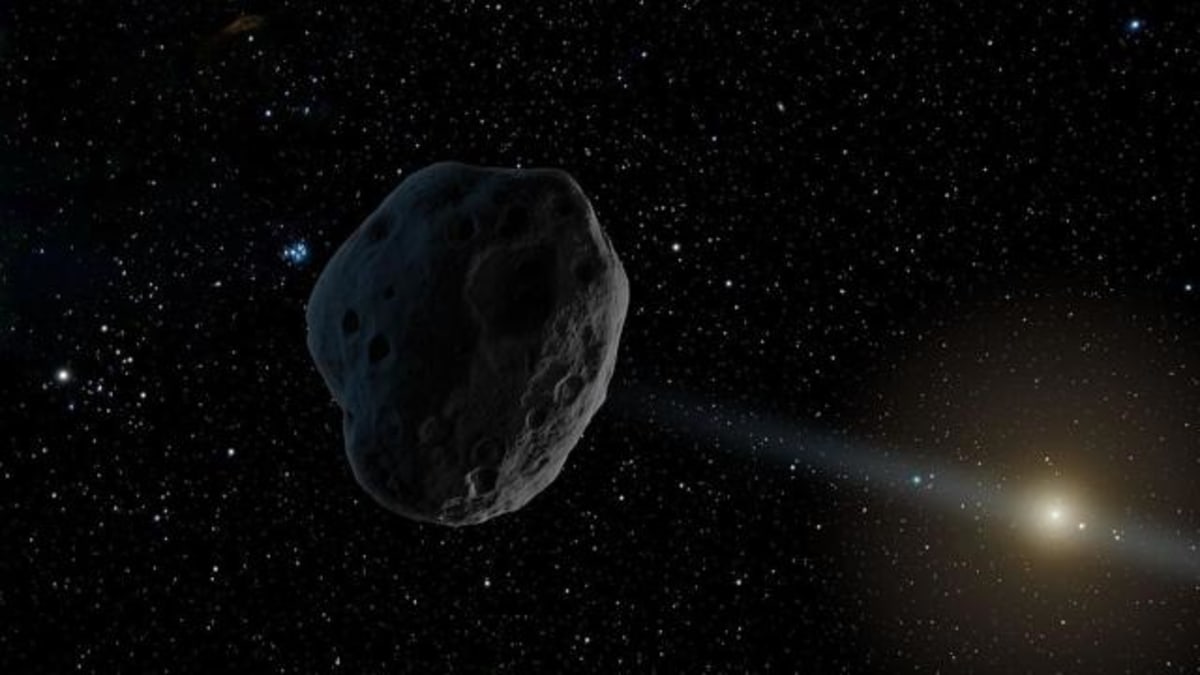
The target asteroid, Torifune, is named after a deity from Japanese mythology and measures roughly 1,476 feet wide. Scientists know surprisingly little about it, which makes the encounter even more thrilling. It could be a single rocky body or two separate asteroids that gently crashed together long ago.
"We're going to discover another beast to put in the zoo of asteroids," said Patrick Michel, part of the Hayabusa2 science team. Every time scientists visit a new asteroid, they find surprises that rewrite what we thought we knew about these ancient space rocks.
The flyby presents real challenges. The spacecraft wasn't originally designed for this extended mission, and there's uncertainty about Torifune's exact size and shape. But the Hayabusa2 team has combined advanced navigation techniques with the spacecraft's proven engineering capabilities to make this daring encounter possible.
Why This Inspires
This mission shows what happens when we build things to last and keep pushing boundaries. Hayabusa2 was designed for one ambitious goal, achieved it spectacularly, and then kept going. The spacecraft's continued success demonstrates the incredible value of extended space missions and the dedication of the scientists and engineers who support them.
The high-speed encounter will also provide valuable insights for planetary defense, helping us understand how to track and potentially redirect asteroids that might threaten Earth. Every piece of data collected adds to our ability to protect our planet while satisfying our curiosity about the universe.
Each asteroid scientists study reveals another chapter in the 4.6-billion-year story of our solar system. Torifune holds clues about how planets formed and how life's building blocks were delivered to Earth. Whatever shape this "beast" takes, it will teach us something new about our cosmic neighborhood and our place within it.
More Images
Based on reporting by Space.com
This story was written by BrightWire based on verified news reports.
Spread the positivity!
Share this good news with someone who needs it