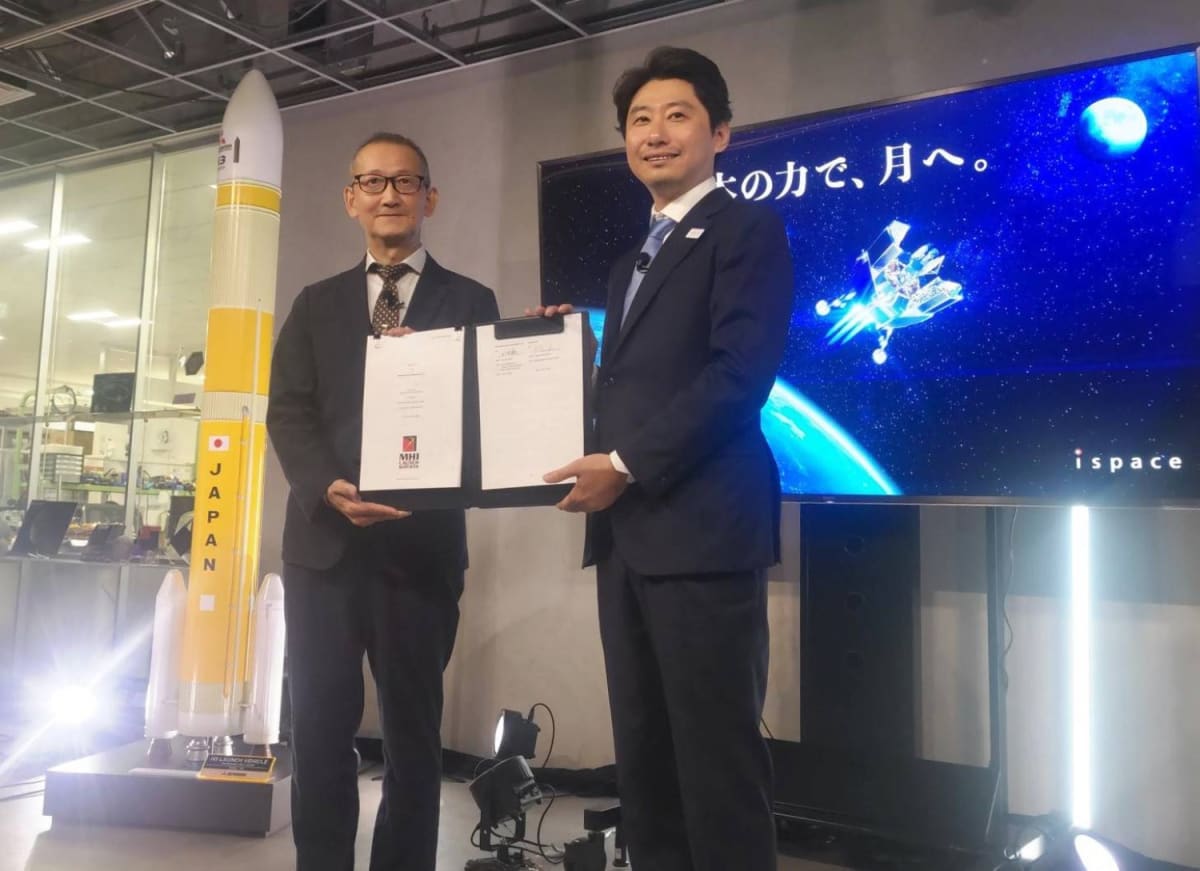
Japan's Ispace to Launch Moon Lander on Homegrown H3 Rocket
A Japanese startup is bringing its lunar dreams home by choosing a domestically built rocket for its next moonshot. After two setbacks with international launches, Ispace is betting on Japanese technology to finally stick the landing in 2028.
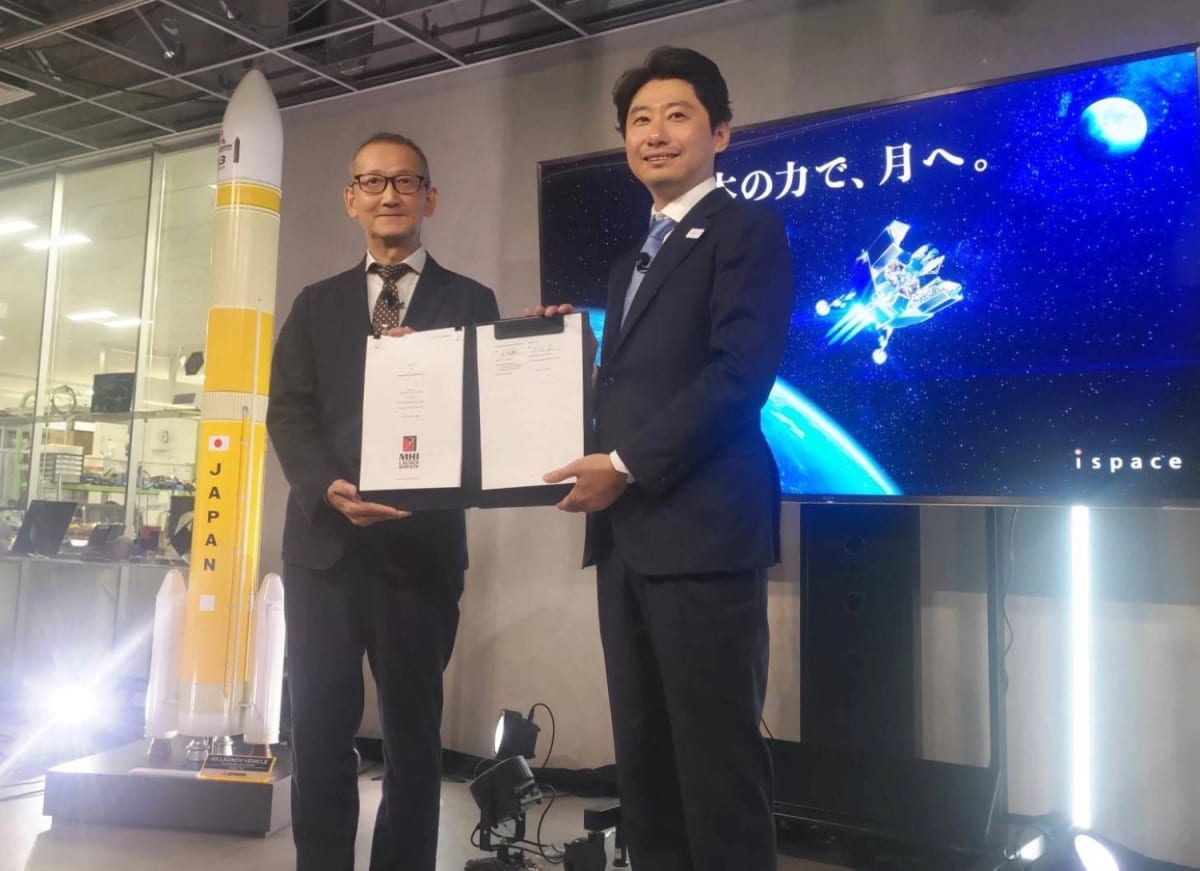
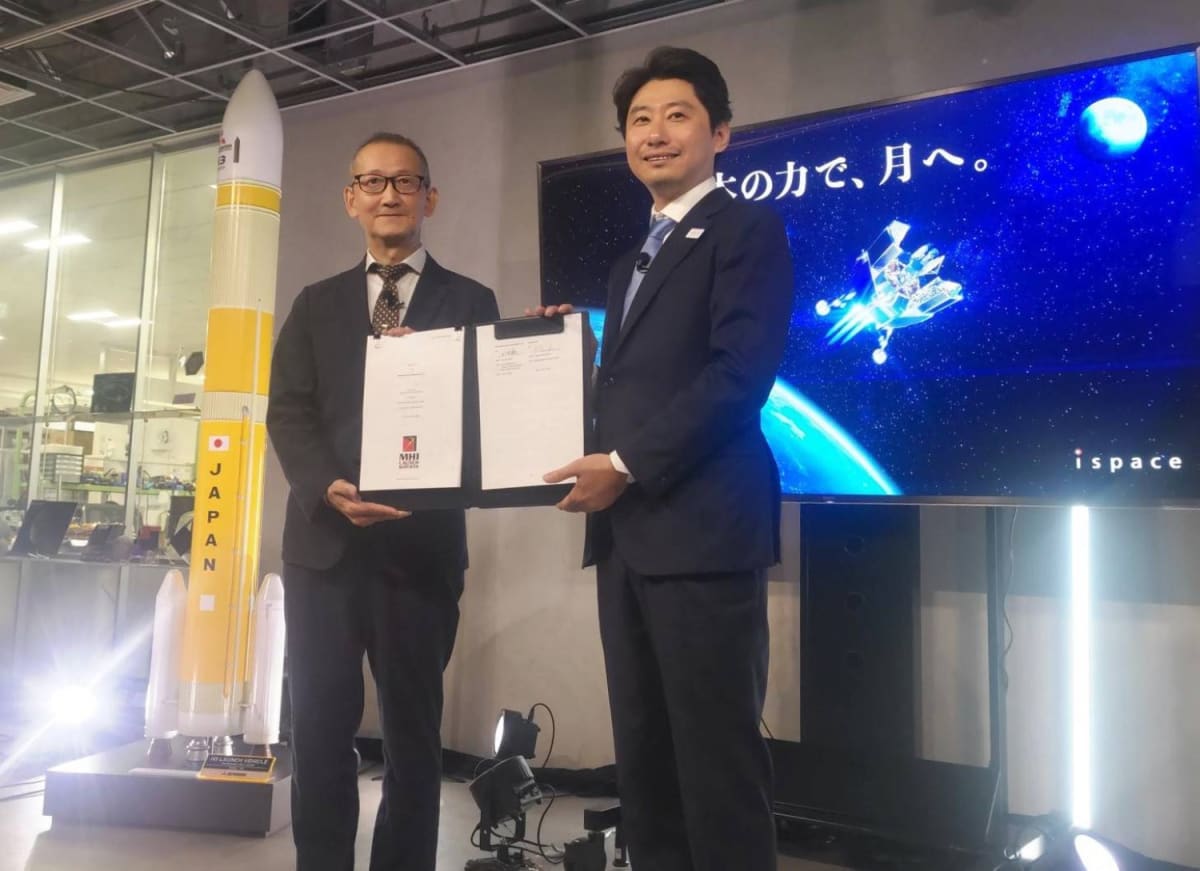
Japan's space industry just took a giant leap toward independence as startup Ispace announced it will launch its next lunar lander aboard Japan's own H3 rocket in 2028.
The Tokyo-based company signed a contract with Mitsubishi Heavy Industries, which developed the H3 rocket alongside the Japan Aerospace Exploration Agency. This marks Ispace's first mission using a rocket built entirely in Japan, a shift that company founder and CEO Takeshi Hakamada calls "highly meaningful for national security."
The decision comes after learning some hard lessons. Ispace's previous two lunar landers launched on SpaceX's Falcon 9 rockets, and both missions failed to achieve successful landings on the Moon's surface.
Now, the company is doubling down on homegrown technology with its new lander called Ultra. The partnership with Mitsubishi Heavy Industries represents more than just a backup plan. It's a statement about Japan's commitment to building its own path to the Moon.
The Ripple Effect
This collaboration could transform Japan's entire space sector. By keeping the mission domestic, Ispace and Mitsubishi Heavy Industries are creating what they call "a full-scale lunar transportation system that unites Japanese domestic industries."
That means jobs, expertise, and cutting-edge technology staying within Japan's borders. Engineers, manufacturers, and suppliers across the country will contribute to making lunar missions a regular occurrence rather than rare achievements.
Hakamada believes this approach will propel Japan's space industry to "the next stage." Instead of relying on international partners for critical launch services, Japan can develop its own reliable pathway to the Moon and beyond.
The timing aligns with a global race back to lunar exploration, but Japan is choosing self-reliance over shortcuts. While past failures might discourage some companies, Ispace is using those experiences to build something more sustainable and secure.
The 2028 launch gives the team six years to perfect their technology and ensure Ultra can accomplish what its predecessors could not: a successful touchdown on the lunar surface using entirely Japanese innovation.
More Images

Based on reporting by Japan Times
This story was written by BrightWire based on verified news reports.
Spread the positivity!
Share this good news with someone who needs it