Japan's Kabuki Wig Masters Get Oscar Spotlight
After centuries of perfecting their craft in the shadows, Japan's kabuki wig masters are finally getting their moment in the international spotlight. A film celebrating their artistry just earned an Oscar nomination for Best Makeup and Hairstyling.
For 40 years, Tadashi Kamoji has transformed actors into kabuki performers one wig at a time, working mostly unseen behind theater curtains. Now the 60-year-old master and his fellow "tokoyama" specialists are stepping into global recognition thanks to Kokuho, an Oscar-nominated film showcasing their meticulous art.
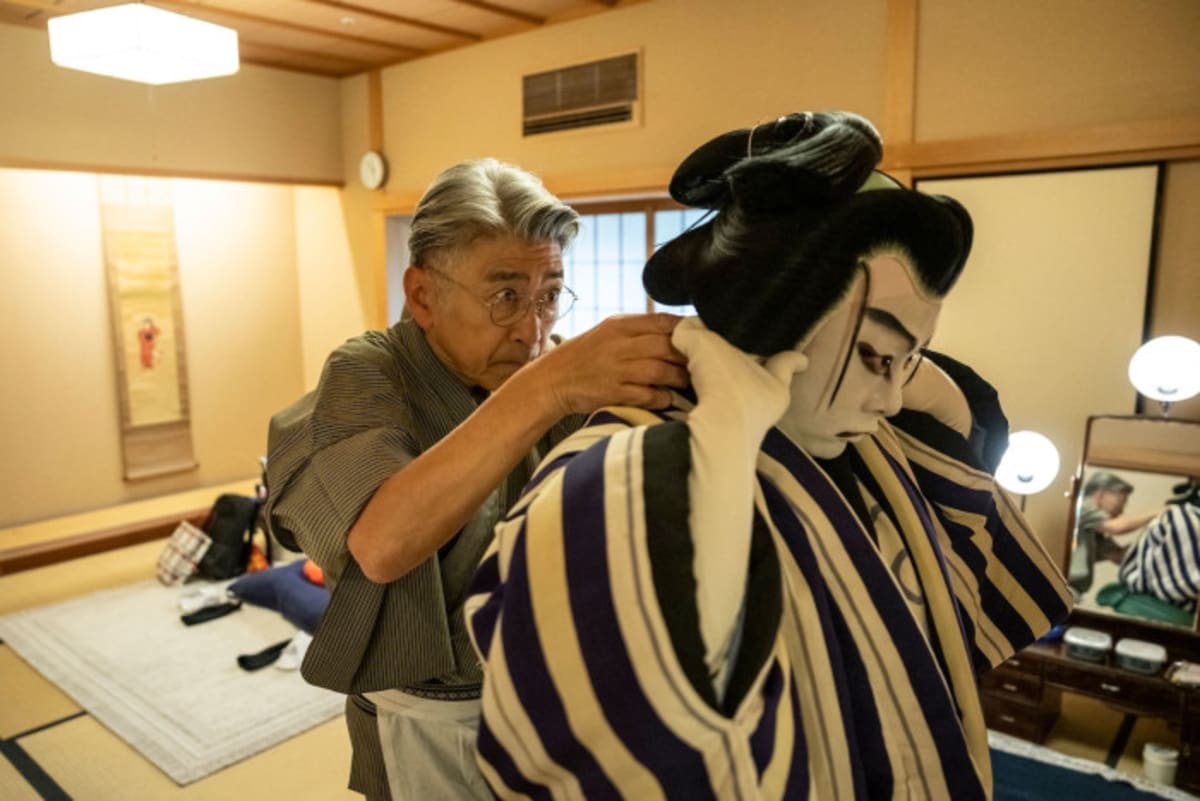
"A kabuki actor can't just walk onto the stage as he is," Kamoji explains from Tokyo's famed Kabuki-za theatre. "It's only when he puts on a wig that he truly becomes a kabuki performer."
The work requires extraordinary skill and patience. Kneeling on tatami floors, Kamoji spends up to two hours sculpting each wig, sectioning human hair with traditional combs, smoothing it with steaming irons, and occasionally pulling strings with his teeth to secure strands. The wigs aren't just decorative. They tell stories, conveying a character's age, social status, occupation, and personality through every curve and topknot.
Dating back to the 17th century, kabuki theater features 1,400 different wig styles across male and female roles. Each performance requires a fresh creation, customized for every actor. Some take months to complete.
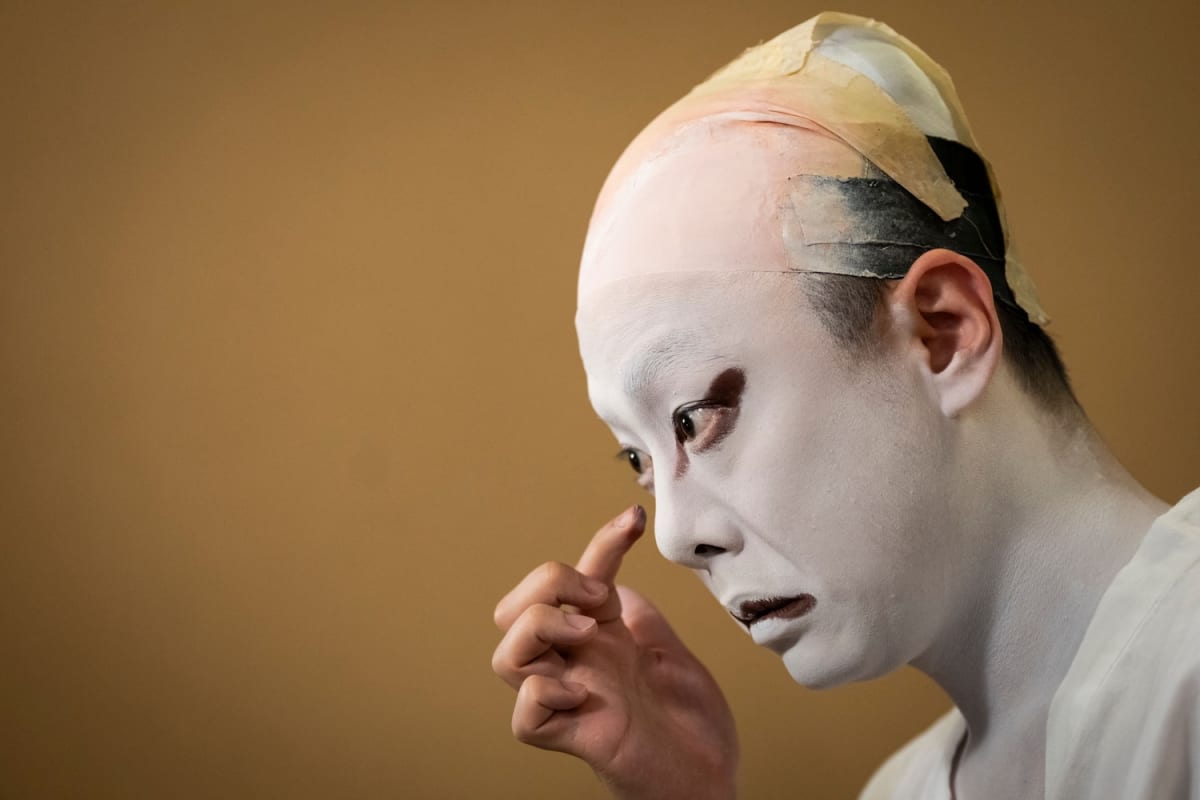
Kabuki actor Nakamura Tanenosuke, 33, has worked with wig masters since age five. "The wig is the final touch that completes the transformation," he says. After applying thick white foundation and donning elaborate kimonos, the wig becomes the switch that fully activates his character.
Why This Inspires
Kamoji represents fourth-generation craftsmanship, having joined the profession at 18. Despite four decades of experience, he remains humble about his abilities. "When I watch the seniors, it looks as though the hair is dancing in their hands," he says. "I don't think I'm there yet."
He still learns from his 85-year-old father and believes he'll truly master the craft around that same age. The humility and dedication to lifelong learning make this ancient art form thrive in modern times.
The real reward comes when audiences cheer. "If the audience thinks the actor looks brilliant, it makes me feel that our wig perhaps suited him," Kamoji says. "I very much feel a sense of joy in that."
These specialists remain truly indispensable to kabuki's survival. Their Oscar recognition proves that patient, behind-the-scenes craftsmanship still captivates the world.
More Images


Based on reporting by Bangkok Post
This story was written by BrightWire based on verified news reports.
Spread the positivity!
Share this good news with someone who needs it