Japan's New Cargo Ship Gets Second Life as Space Lab
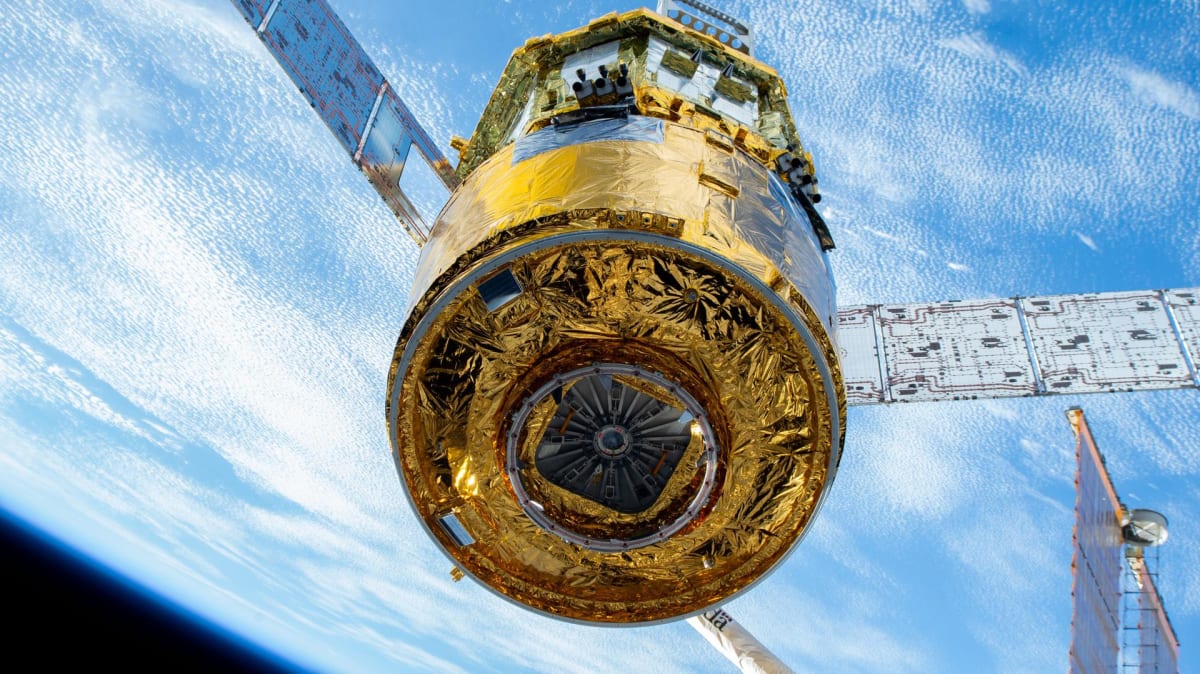
Japan's HTV-X1 spacecraft just left the International Space Station after four months, but instead of heading straight home, it's starting a three-month mission as an orbiting science lab. This marks a fresh chapter for Japan's next-generation cargo program.
Japan's newest space freighter just proved it can do more than deliver groceries to astronauts.
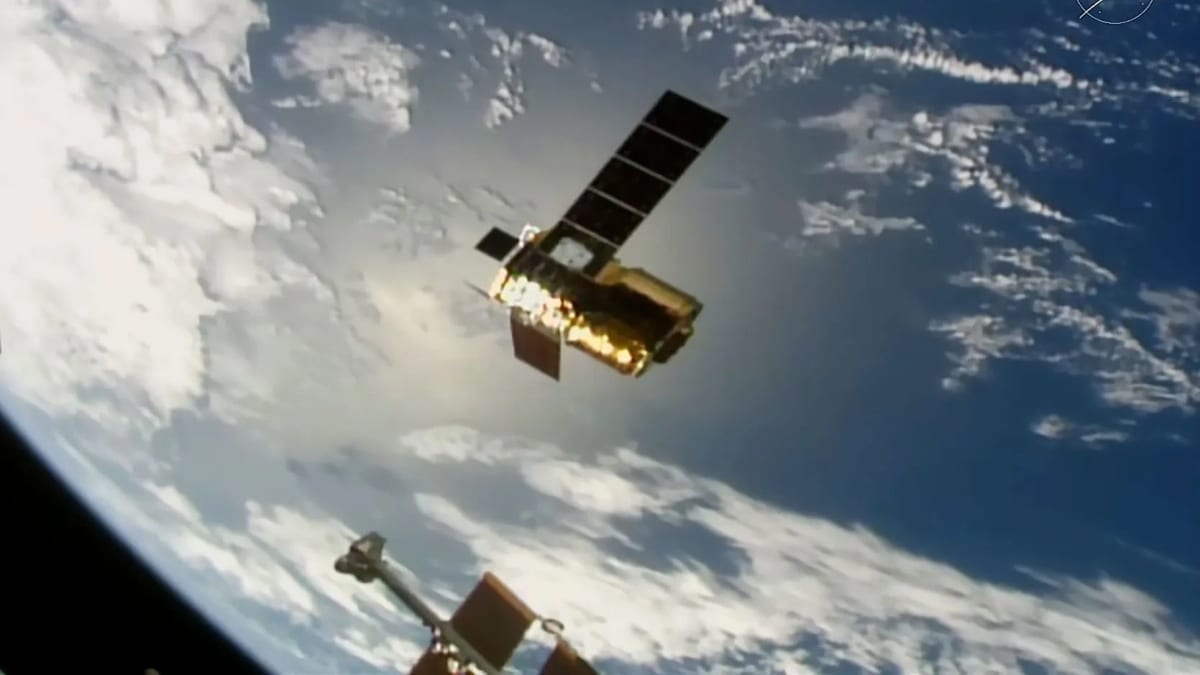
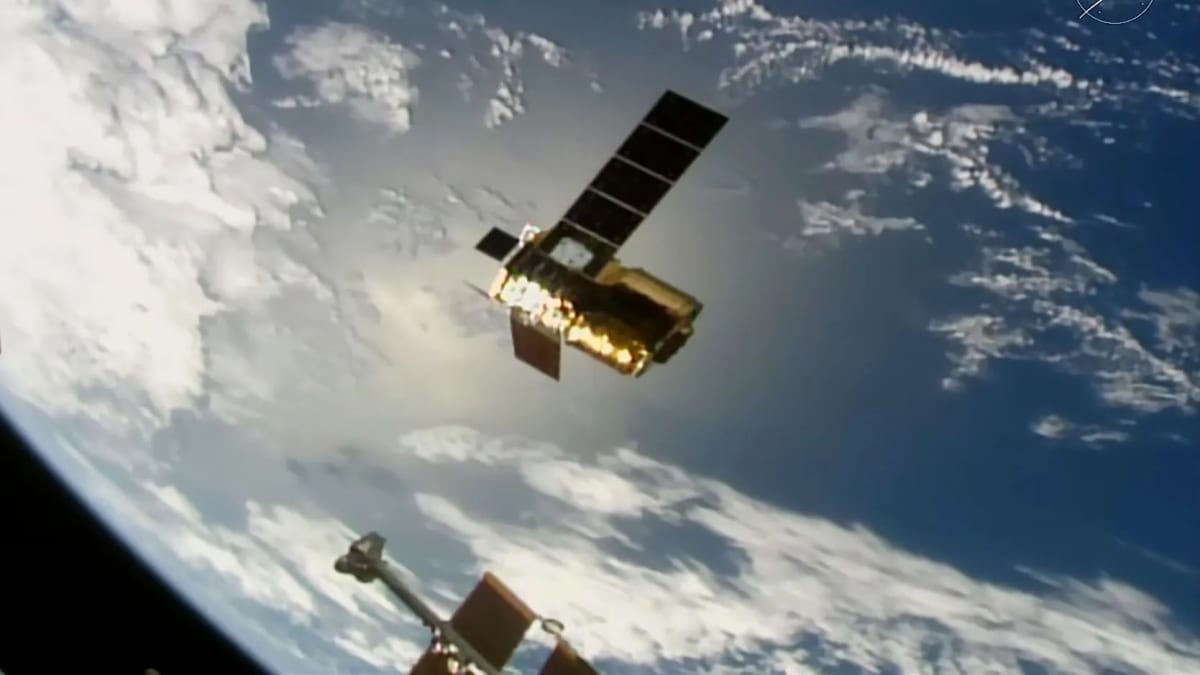
The HTV-X1 cargo spacecraft departed the International Space Station on March 6 after a four-month stay, released by the station's robotic arm 260 miles above the Pacific Ocean. But instead of immediately burning up in Earth's atmosphere like most cargo ships, it's embarking on a surprising second act.
The spacecraft will spend over three months in orbit conducting science experiments for the Japan Aerospace Exploration Agency. It's an innovative twist on the traditional throwaway cargo model, squeezing extra value from hardware that usually gets one job and one job only.
HTV-X is Japan's upgraded successor to its previous cargo vehicle, which completed nine successful missions between 2009 and 2020. This first mission launched October 25, carrying 9,000 pounds of food and supplies to the orbiting lab before docking three days later.
The new design represents Japan's commitment to supporting the International Space Station alongside other cargo providers. Russia's Progress, Northrop Grumman's Cygnus, and SpaceX's Dragon (the only reusable option) round out the current fleet keeping astronauts supplied.
Why This Inspires
Transforming trash trucks into research labs shows how space agencies are getting creative with limited resources. Instead of viewing cargo ships as single-use delivery vehicles, engineers are reimagining them as multipurpose platforms that serve science even after their main mission ends.
This approach could inspire similar innovations across the space industry, where every kilogram launched costs thousands of dollars. Finding ways to extend the usefulness of spacecraft already in orbit makes economic and environmental sense.
After its extended science mission wraps up, HTV-X1 will dispose of several thousand pounds of station trash during its fiery reentry into Earth's atmosphere, completing its lifecycle by cleaning up after itself.
More Images

Based on reporting by Space.com
This story was written by BrightWire based on verified news reports.
Spread the positivity!
Share this good news with someone who needs it