Japan's Oldest Village Partners with Peru for New Future
A tiny Japanese village where nearly two-thirds of residents are over 65 has found an inspiring solution to its survival crisis. By partnering with a young, vibrant Peruvian city, Nanmoku is building bridges that could reshape both communities.
When your village might not exist in five years, you get creative about finding hope.
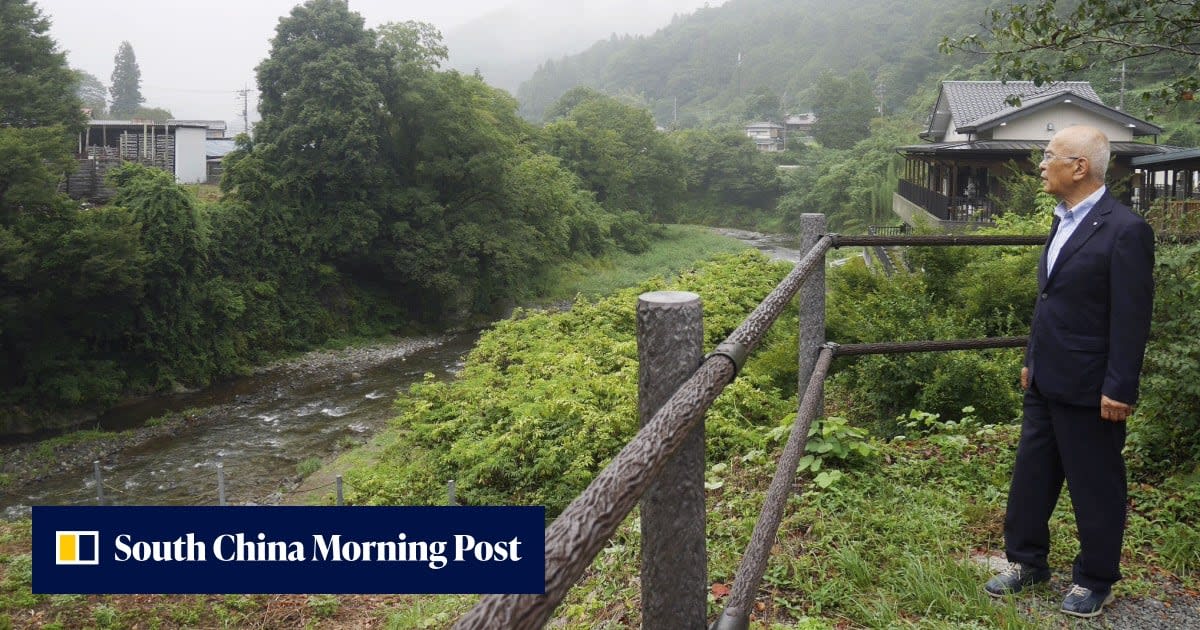
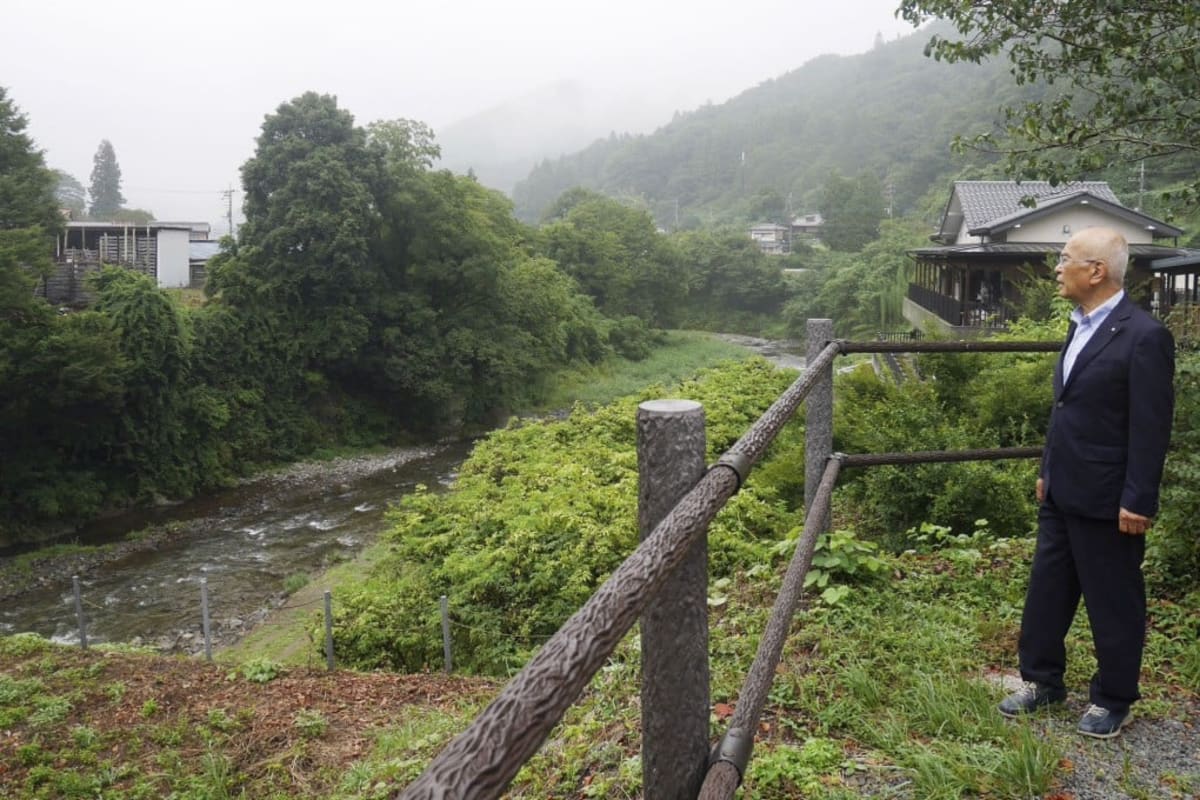
That's exactly what happened in Nanmoku, a mountain village in Japan's Gunma prefecture. With just 1,337 residents and a staggering 65.2 percent of them over age 65, this community earned an unfortunate title: Japan's "greyest" village.
But Mayor Saijo Hasegawa wasn't ready to give up. In November, he signed a sister-city agreement with Belen, a bustling city of 80,000 in northern Peru, many of them young and looking for opportunities.
The village once thrived on silk farming and forestry. Today, it struggles to find enough care workers for its elderly residents, and many community bus drivers are in their seventies themselves.
Rather than wait for decline, Nanmoku decided to build connections. The partnership with Belen creates a framework for cultural exchanges that village leaders hope will eventually bring young Peruvians to live and work in Japan.
"We need people from overseas if we are to survive," said the 73-year-old mayor with refreshing honesty.
Nanmoku has already tried multiple approaches to reverse its fortunes. The village introduced a program to match vacant homes with potential migrants from other parts of Japan. It also handed operation of a nursing home and roadside station to a nonprofit run by residents, allowing more flexible hiring practices.
The Ripple Effect
This story extends far beyond one small village. Japan as a nation faces similar demographic challenges, with its low birth rate creating worker shortages across entire industries.
What makes Nanmoku special is its willingness to look beyond traditional solutions. Instead of competing with other Japanese towns for the same shrinking pool of workers, it's building genuine international partnerships.
The Peru connection represents something deeper than just filling job openings. It's about cultural exchange, shared learning, and two communities finding strength in each other.
For young people in Belen seeking opportunities, Nanmoku offers a chance to experience Japanese culture while building a meaningful career. For Nanmoku residents, new arrivals could bring fresh energy, different perspectives, and the workforce needed to keep essential services running.
The village's approach also offers a model for struggling rural communities worldwide, showing that creative international partnerships can open doors when domestic solutions fall short.
This cross-continental friendship might just save a village while enriching two cultures in the process.
More Images
Based on reporting by South China Morning Post
This story was written by BrightWire based on verified news reports.
Spread the positivity!
Share this good news with someone who needs it