Japan's Phase-Free Design Makes Safety Part of Daily Life
Japan is transforming disaster preparedness by building emergency features into everyday products. Nearly 200 items now blend daily use with life-saving functionality.
Fifteen years after a devastating earthquake and tsunami changed Japan forever, the country is pioneering a brilliant solution to a universal problem: how do you stay prepared for emergencies without living in fear?
Enter phase-free design, an approach that's quietly revolutionizing disaster readiness. Instead of stockpiling emergency supplies that gather dust in closets, Japanese innovators are creating everyday products that work beautifully in both normal times and crisis moments.
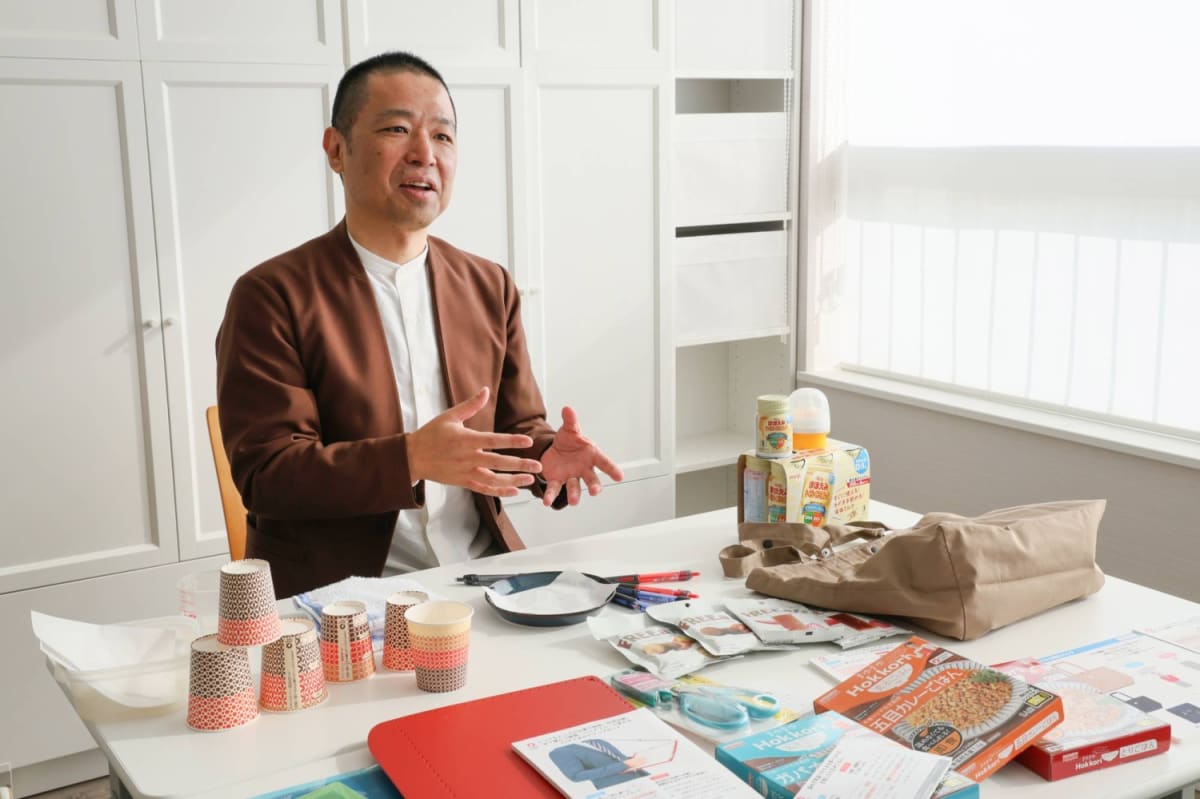
Tadayuki Sato saw the gap back in 2014. Traditional disaster prep wasn't working. Governments urged people to buy specialized emergency gear, but those supplies often sat unused for years or weren't accessible when disaster struck.
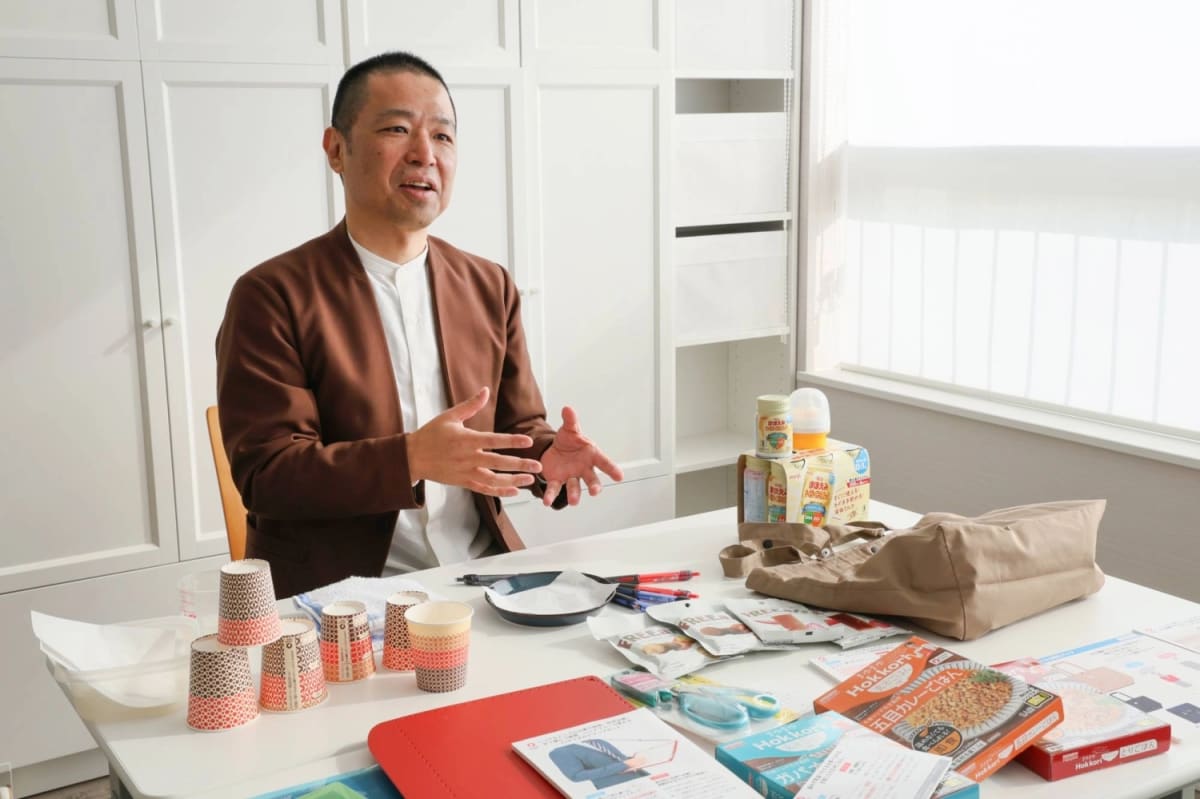
His solution was elegantly simple: why not design products that people actually want to use every day, but that also happen to save lives during emergencies? The Phase Free Association was born from this insight.
The concept takes many forms. Think stylish lamps that automatically switch to battery power during blackouts. Tasty everyday snacks with long shelf lives that double as emergency food. Comfortable furniture that transforms into shelter components when needed.
The movement has gained serious momentum. As of February 2025, nearly 200 products have earned phase-free certification. Each one proves that preparedness doesn't require sacrifice or constant vigilance.
Japan's continued experience with earthquakes has shown that this approach works. When disaster strikes, people don't need to scramble for special supplies or remember where they stored that emergency kit. The tools they need are already woven into their daily routines.
The Ripple Effect
Phase-free design is spreading beyond consumer products. Facilities and businesses are adopting the principles too, building resilience into their everyday operations. This means entire communities become more prepared without adding stress or extra tasks to anyone's life.
The beauty of this approach extends far beyond Japan's borders. Every region faces some kind of natural threat, whether earthquakes, hurricanes, floods, or wildfires. Phase-free thinking offers a blueprint for anywhere that wants to build resilience without building anxiety.
By making safety invisible and automatic, Japan is proving that hope and preparedness can coexist. The best emergency plan might just be the one you're already living.
More Images
Based on reporting by Japan Times
This story was written by BrightWire based on verified news reports.
Spread the positivity!
Share this good news with someone who needs it