Japan's Royal Family Visits Fukushima 15 Years After Disaster
Emperor Naruhito, Empress Masako, and Princess Aiko traveled to Fukushima to honor survivors and witness the remarkable recovery 15 years after the 2011 earthquake, tsunami, and nuclear meltdown. Their overnight visit highlights how far the region has come while ensuring its story isn't forgotten.
Fifteen years after one of Japan's darkest days, the imperial family made a powerful statement of solidarity by visiting communities still rebuilding from the 2011 disaster.
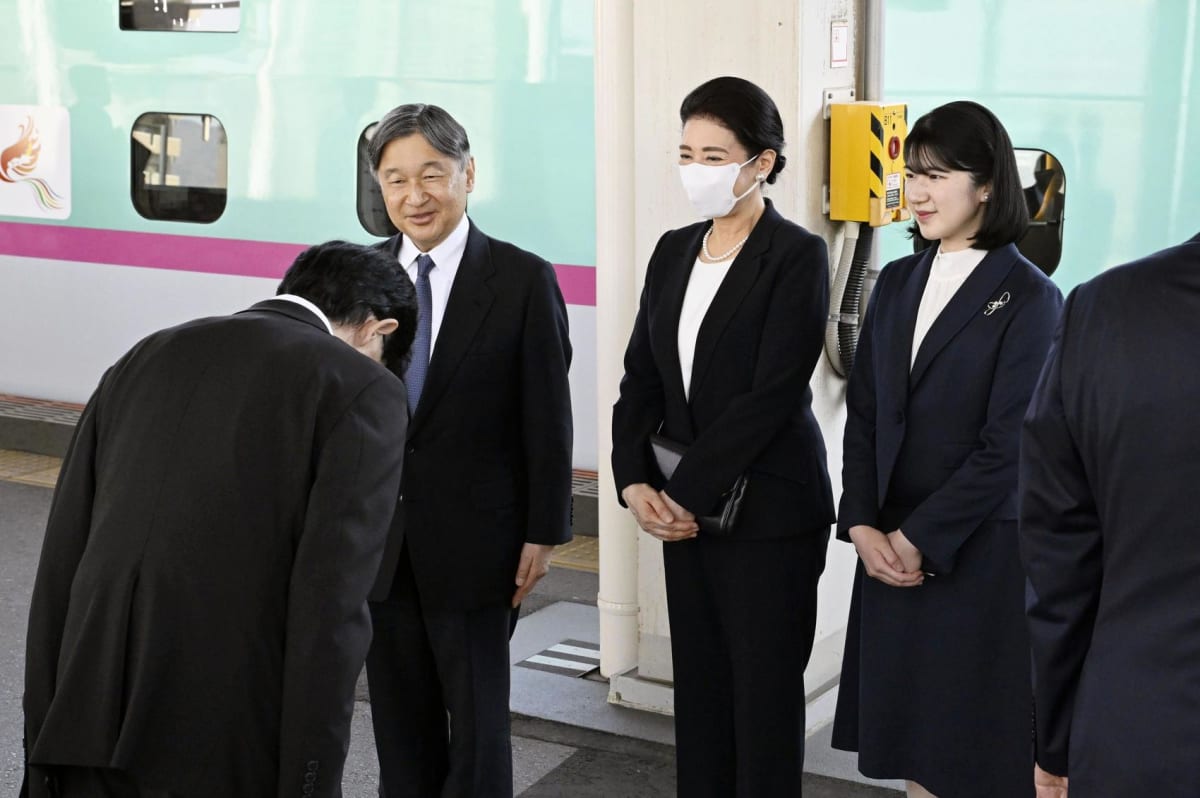
Emperor Naruhito, Empress Masako, and their daughter Princess Aiko arrived in Fukushima Prefecture on Monday for an overnight trip to the heart of the recovery zone. Their journey took them to Futaba and Okuma, the very towns that host the damaged Fukushima Daiichi nuclear plant.
The visit wasn't just ceremonial. The family laid flowers at the Great East Japan Earthquake and Nuclear Disaster Memorial Museum, toured exhibits documenting the catastrophe, and spent meaningful time with survivors who lived through the unimaginable.
They're staying at J-Village, a sports facility that served as ground zero for disaster response operations. On Tuesday, their schedule includes visiting Tomioka to see tsunami destruction exhibits, observing classes at local schools, and meeting more survivors in Okuma and Namie.
The trip shows how much has changed since 2011. Schools are running again in areas once evacuated. Rest stops welcome visitors where radiation once kept everyone away. Communities are alive, not abandoned.
Why This Inspires
Royal visits matter differently in Japan than elsewhere. When the emperor travels somewhere, it sends a message that the nation hasn't forgotten and won't give up on that place.
For Fukushima residents who've spent 15 years rebuilding their lives, the imperial family's presence validates their perseverance. It tells the world that these communities aren't disaster zones anymore but places where people live, work, and raise families.
The visit was actually rescheduled after the emperor and empress fell ill in March, but they made sure it happened. That determination itself speaks volumes about the importance they place on witnessing Fukushima's recovery firsthand.
Communities hit by disasters often fear being forgotten once the cameras leave. This visit proves Fukushima's story continues to matter at the highest levels of Japanese society.
More Images

Based on reporting by Japan Today
This story was written by BrightWire based on verified news reports.
Spread the positivity!
Share this good news with someone who needs it