Japan's SkyDrive Plans Flying Cars for Passengers by 2028
A Japanese company is getting ready to launch flying taxis in just four years, bringing science fiction closer to everyday reality. SkyDrive has already secured orders and is working with transit companies to make urban air travel accessible.
Imagine skipping rush hour traffic by flying over it instead of sitting in it. That future just got a firm date: 2028, when Japan's SkyDrive plans to deliver its first commercial flying cars.
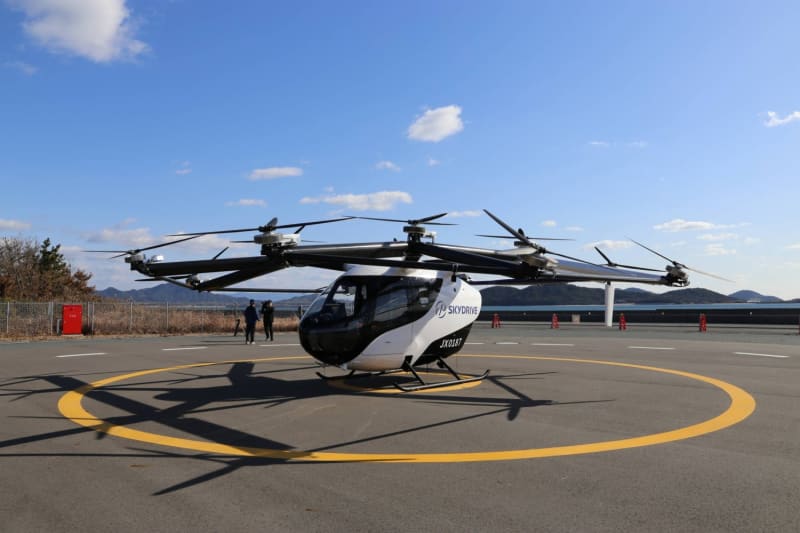
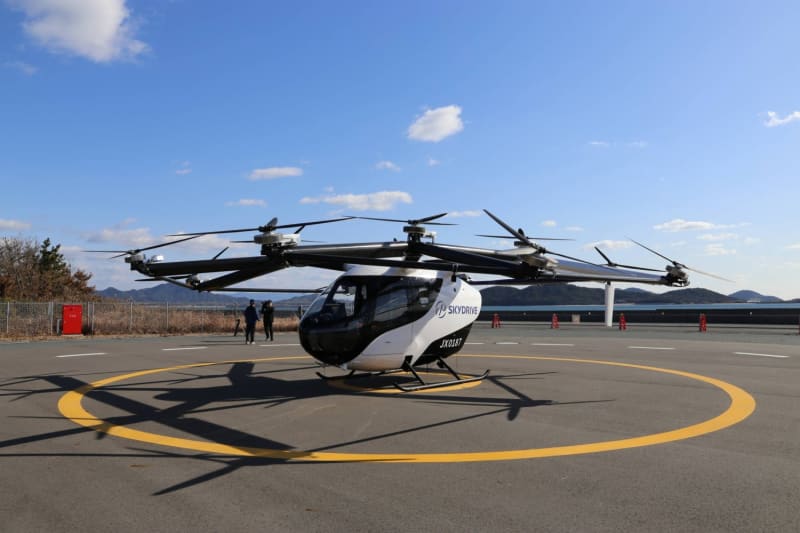
The Toyota City company opened its test facility in Yamaguchi Prefecture to media for the first time, showing off the compact electric aircraft that could transform how we move through cities. SkyDrive has already secured an order for 20 units from Dubai's AeroGulf Services, with 10 arriving in 2028 and 10 more in 2029.
Back home, major Japanese transit companies are lining up too. Osaka Metro and Kyushu Railway Company are both planning air taxi services using SkyDrive vehicles by 2028.
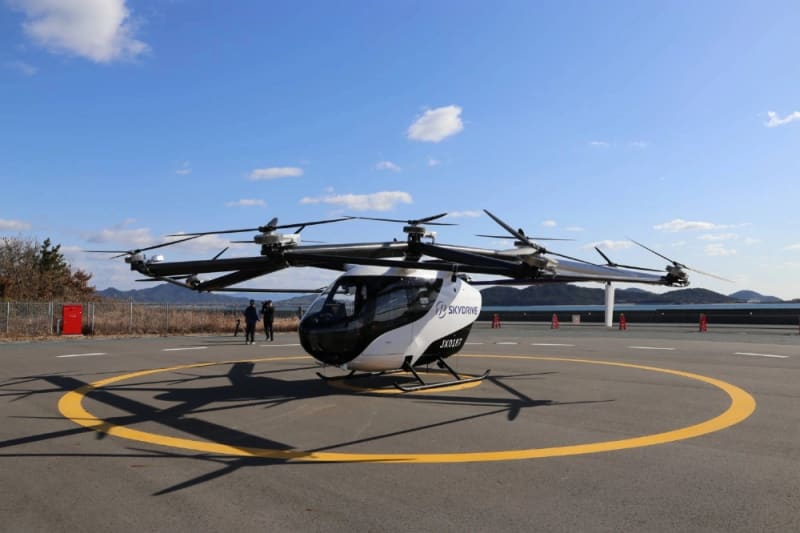
The three-person aircraft weighs about as much as a regular sedan but uses 12 separate motors and rotors to lift off vertically. At 12 meters across, it's more compact and lighter than competing models, which means it needs less power and can land in more places.
"The concept of our aircraft focuses on personal urban mobility rather than long-distance intercity travel," said SkyDrive Vice President Yugo Fukuhara. The smaller size makes it easier to install takeoff and landing spots in crowded cities.
The company isn't taking shortcuts on safety. A planned demonstration flight was actually canceled because wind conditions didn't meet government safety standards, showing their commitment to getting this right.
SkyDrive partnered with automaker Suzuki to manufacture the aircraft using car industry mass production methods. Once fully operational, the production facility can build about 50 aircraft annually, with plans to expand capacity later.
The Ripple Effect
Flying cars could solve problems that even advanced transit systems can't fix. Some Tokyo destinations still require multiple train transfers to reach major hubs like airports, according to Takashi Ohki, a mobility technology researcher at Mitsubishi Research Institute.
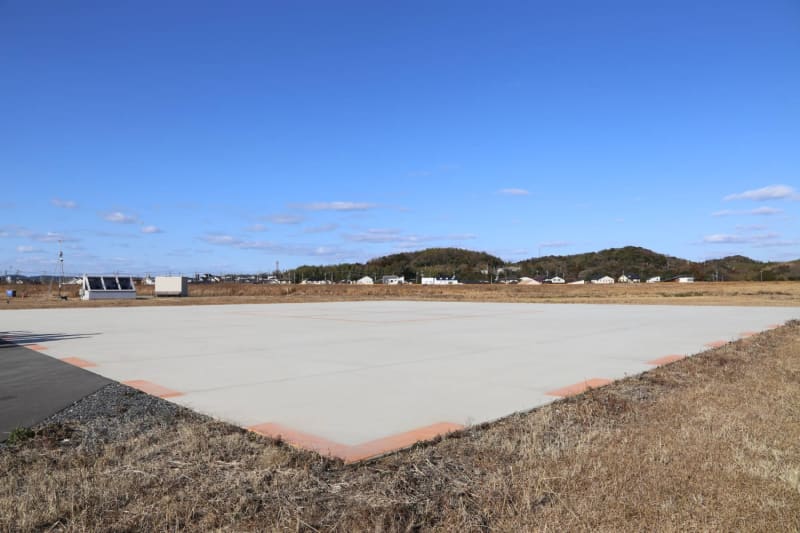
The key to success isn't just building the aircraft. Cities need to create vertiports for takeoff and landing, ideally as part of urban redevelopment projects where space is tight.
The biggest hurdle remains certification. SkyDrive applied for Japan's type certificate in 2021 and is working closely with authorities to meet all safety and environmental standards by 2028. They're also pursuing U.S. certification.
Japan missed its goal of flying car operations at the 2025 Osaka Expo because no manufacturer obtained certification in time. But the regulatory framework is now in place, putting Japan ahead in preparedness even as companies race to clear the final approval process.
Only one company worldwide, China's EHang, has received a type certificate so far, and its operations are limited to China. The global competition is heating up, with commercial operations also planned for Dubai this year.
What started as a volunteer research organization in 2018 is now on track to help write the next chapter of transportation history.
More Images

Based on reporting by Japan Times
This story was written by BrightWire based on verified news reports.
Spread the positivity!
Share this good news with someone who needs it