Japan's Supreme Court Ends Public Shackling of Defendants
Japan's highest court is changing a practice that forced defendants to appear in public wearing handcuffs and restraints. The new policy will protect the dignity of accused people while maintaining courtroom safety.
Japan's Supreme Court just took a major step toward protecting the dignity of people awaiting trial. Courts across the country have been instructed to stop publicly shackling defendants as they enter and leave courtrooms.
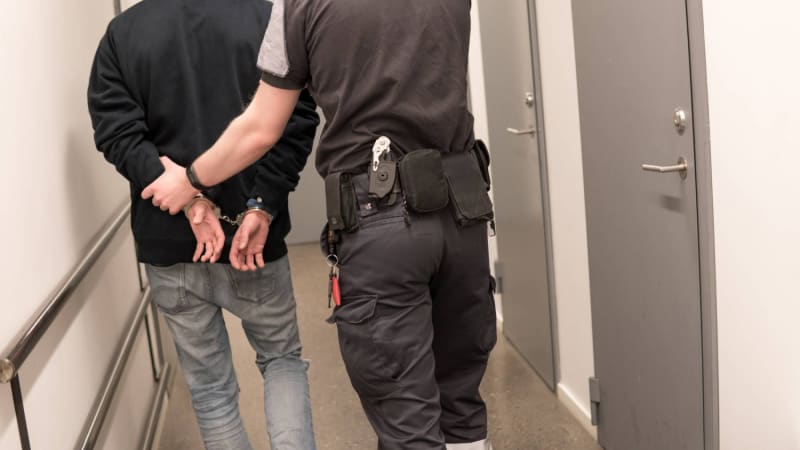
For years, defendants held in detention wore handcuffs and waist ropes while walking into criminal trials. Courtroom spectators could see them restrained until judges arrived, creating an image of guilt before any verdict was reached.
The new policy changes that practice completely. Courts will now remove restraints behind partitions near courtroom doorways, out of public view. Spectators won't see defendants in handcuffs when they leave either.
The shift recognizes something important: being accused of a crime doesn't strip away human dignity. Every person deserves to face their trial without the visual presumption of guilt that shackles create.
Japan already removed visible restraints during lay judge trials to prevent bias. This expansion takes that principle further, acknowledging that public perception matters everywhere in the courthouse, not just in front of the jury.
The Japan Federation of Bar Associations pushed for this change since 2019. Their persistence paid off, showing how advocacy can move even traditional institutions toward fairness.
Safety remains a priority under the new rules. Courts can still use restraints for defendants considered flight risks. The policy balances security concerns with respect for human rights.
Why This Inspires
This change reflects a growing global conversation about how legal systems treat accused people. Japan's decision shows that countries with deep traditions can still evolve toward greater fairness.
The policy reminds us that justice isn't just about outcomes. It's about the entire process, including how we treat people whose guilt or innocence hasn't been determined. Small changes in procedure can signal big shifts in values.
Other nations struggling with similar issues now have a model to follow. When respected institutions make changes like this, they create permission for others to do the same.
The new approach honors a fundamental principle: everyone deserves dignity, especially in moments when their freedom hangs in the balance.
More Images

Based on reporting by Japan Times
This story was written by BrightWire based on verified news reports.
Spread the positivity!
Share this good news with someone who needs it