Jasmine Farming Lifts 234 Tribal Families Out of Poverty
In rural Maharashtra, a single flower is ending generations of struggle for tribal farmers who once survived on one crop and seasonal migration. Jasmine farming has brought steady income to 234 families across 18 villages, proving that small blooms can create big change.
For tribal families in Shahpur, Maharashtra, jasmine has become more than a flower. It's become a way to stay home.
These 234 families across 18 villages once depended on a single annual crop and months of migration to find work elsewhere. Now, jasmine grows in their own fields, thriving in the region's dry conditions and bringing income every two weeks.
The transformation started with nearly 100,000 jasmine saplings distributed to farmers who needed a reliable alternative. Unlike traditional crops that demand specific weather and yield once a year, jasmine adapts to drought and produces blooms regularly.
Traders now come directly to the villages to collect the flowers, eliminating the need for farmers to travel or negotiate in distant markets. Payments arrive every fortnight, creating a rhythm of income that seasonal crops never could.
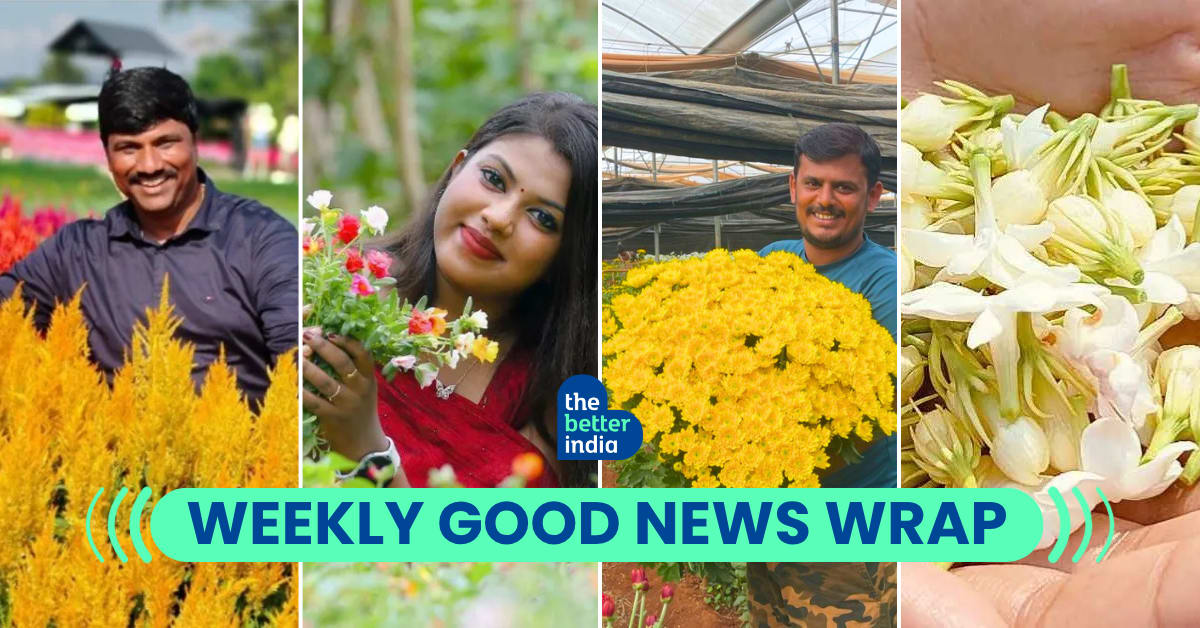
This story is part of a larger wave across India, where flowers are reshaping rural economies. In Bengaluru, Lohith Reddy left his engineering career to build a chrysanthemum business earning Rs 7 lakh monthly. In Kerala, 24-year-old Parvathy Mohanan turned her portulaca hobby into a Rs 1 lakh monthly income with 300 varieties and up to 100 daily orders.
The most dramatic success belongs to Srikanth Bollapally, who grew up in poverty in rural Karnataka. He chose flower farming when traditional agriculture offered no future, and today his operation spans 50 acres with a Rs 70 crore turnover and Rs 5 crore annual profit, employing over 200 people from rural communities.
The Ripple Effect
These stories share a common thread beyond beautiful blooms. They're proving that agriculture doesn't have to mean struggle, migration, or accepting whatever nature decides to give.
The jasmine initiative in Shahpur specifically targets the cycle that has trapped tribal families for generations: plant one crop, hope it succeeds, leave home for months to survive when it doesn't. With regular harvests and reliable buyers, families can plan, invest, and build futures in their own communities.
Children attend school consistently instead of following parents to work sites. Women participate in farming without leaving their villages. Communities grow stronger when people can actually stay in them.
For 234 families, the answer to generations of uncertainty turned out to be something small, white, and fragrant, growing right in their own soil.
More Images
%2Fenglish-betterindia%2Fmedia%2Fmedia_files%2F2026%2F03%2F29%2Ffeatured-img-2026-03-29-15-05-35.png)
%2Fenglish-betterindia%2Fmedia%2Fpost_attachments%2Fuploads%2F2023%2F01%2FRise-Hydroponics-Training-Feature-1672842012.jpg)
%2Fenglish-betterindia%2Fmedia%2Fmedia_files%2F2026%2F03%2F23%2Fshort-duration-summer-crops-2026-03-23-18-09-39.png)
%2Fenglish-betterindia%2Fmedia%2Fpost_attachments%2Fuploads%2F2023%2F01%2Fsustainable-farming-1673443232.jpg)
Based on reporting by The Better India
This story was written by BrightWire based on verified news reports.
Spread the positivity!
Share this good news with someone who needs it