Java Women Save Endangered Gibbons Through Forest Fabric
A women's collective in Indonesia is protecting critically endangered gibbons by creating textiles inspired by local forest plants. Their work has transformed weeds into valuable resources while building community connection to wildlife.
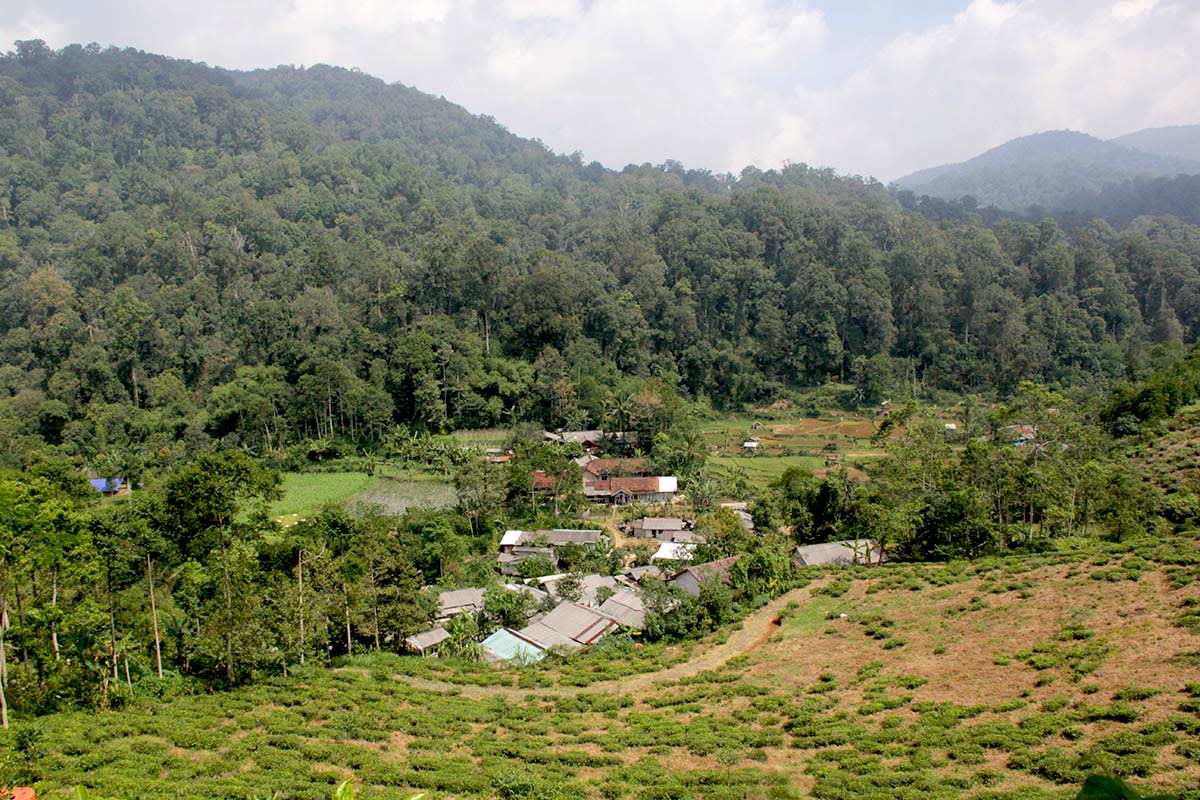
When Mirna Maharani started noticing the plants around her village in West Java, something shifted. Plants she once dismissed as weeds suddenly became sources of beauty, income, and connection to the forest where fewer than 4,500 Javan gibbons still survive.
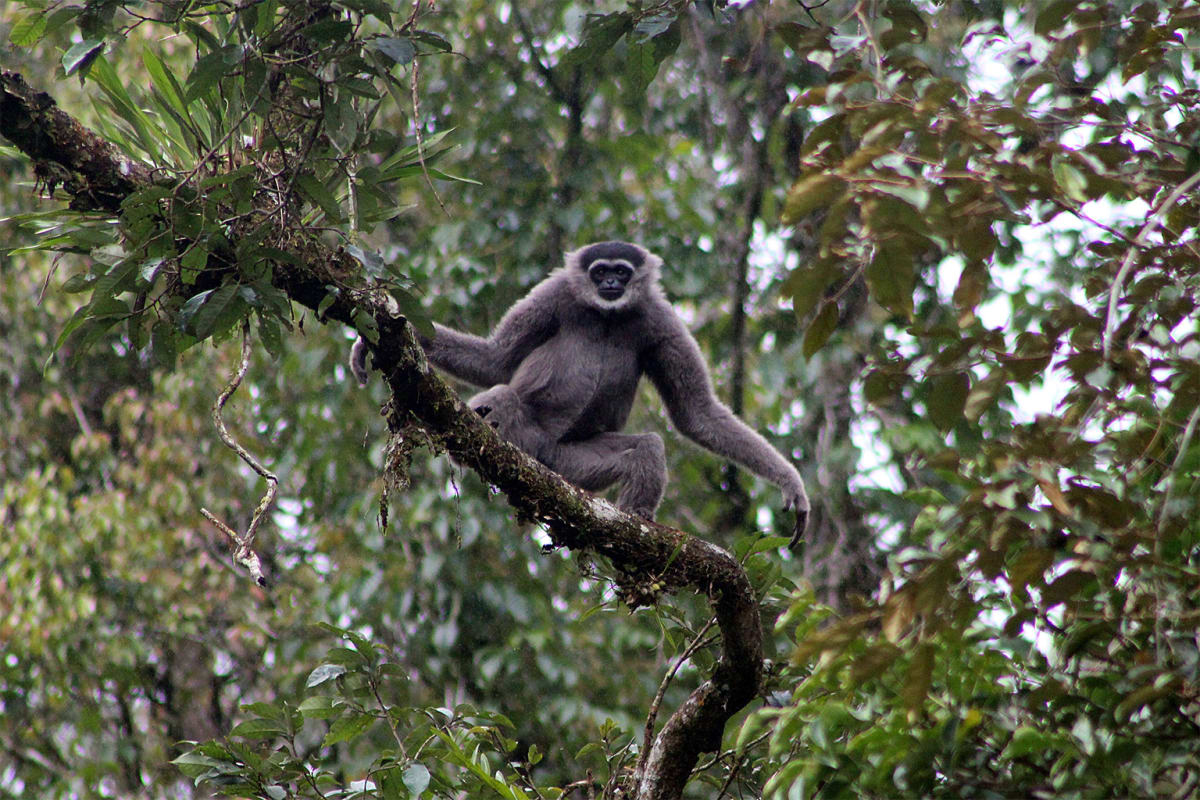
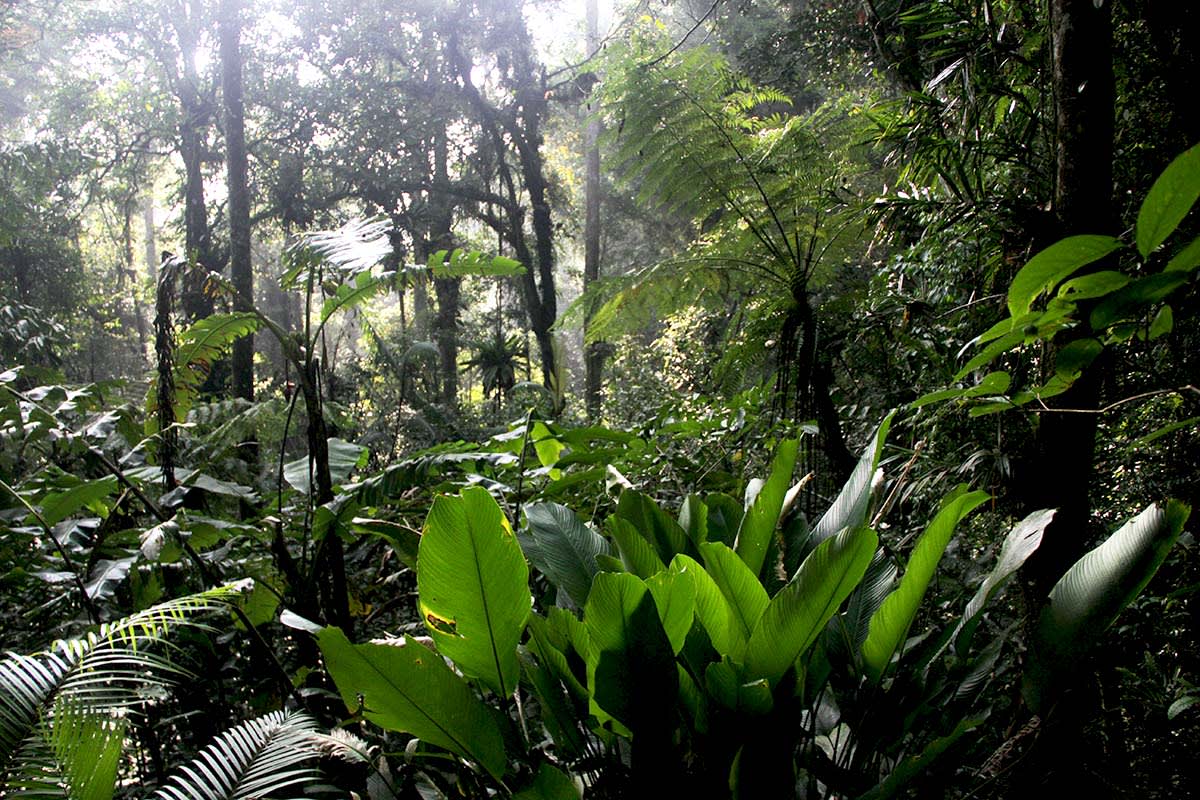
Mirna is part of Ambu Halimun, which translates to "mothers of Halimun" in the local dialect. The women's collective creates eco-friendly fabrics by boiling and pressing local plants into beautiful patterns, often featuring the silhouette of the silvery gibbon that lives in the nearby Gunung Halimun-Salak National Park.
Primatologist Rahayu Oktaviani founded the initiative in 2020 through her conservation group Kiara. She wanted to create a conservation approach that would empower women economically while protecting one of the world's last strongholds for Javan gibbons.
The village of Citalahab sits right next to the national park, home to half of all remaining Javan gibbons on Earth. Researchers warned in 2017 that without significant action, habitat loss and hunting could drive the species to extinction within a century.
Rather than rely solely on law enforcement, Rahayu worked with anthropologists to understand local culture and design a program that reflected community needs. The goal was to help people see the forest not as something separate from their lives, but as something they own and protect together.
The Ripple Effect
The printing collective has changed how villagers understand their relationship with the forest. Before, people knew gibbons were legally protected but didn't understand why they mattered.
Now, women like Mirna call gibbons "forest farmers" because they disperse seeds while moving through trees. The collective has started mirroring this behavior, collecting seeds from older plants and replanting them to regenerate the forest.
The approach mirrors successful efforts across Indonesia where conservation meets women's empowerment. In Sumatra, women weavers use natural forest dyes, while in Borneo, women serve as firefighters protecting orangutan habitat.
Last year, Rahayu received the prestigious Whitley Award for her grassroots conservation work. Her success shows that protecting endangered species works best when communities benefit directly from conservation.
For the 30-year-old mother of two, the transformation is personal. "Now, we are preserving them," Mirna said of the plants that once seemed worthless but now represent hope for her community and the gibbons they're learning to protect.
More Images
Based on reporting by Mongabay
This story was written by BrightWire based on verified news reports.
Spread the positivity!
Share this good news with someone who needs it