Jellyfish That Lives Forever Reveals Longevity Secrets
Scientists studying Earth's oldest animals are uncovering remarkable secrets about aging and regeneration. From immortal jellyfish to 400-year-old sharks, these creatures could help us understand how to live longer, healthier lives.
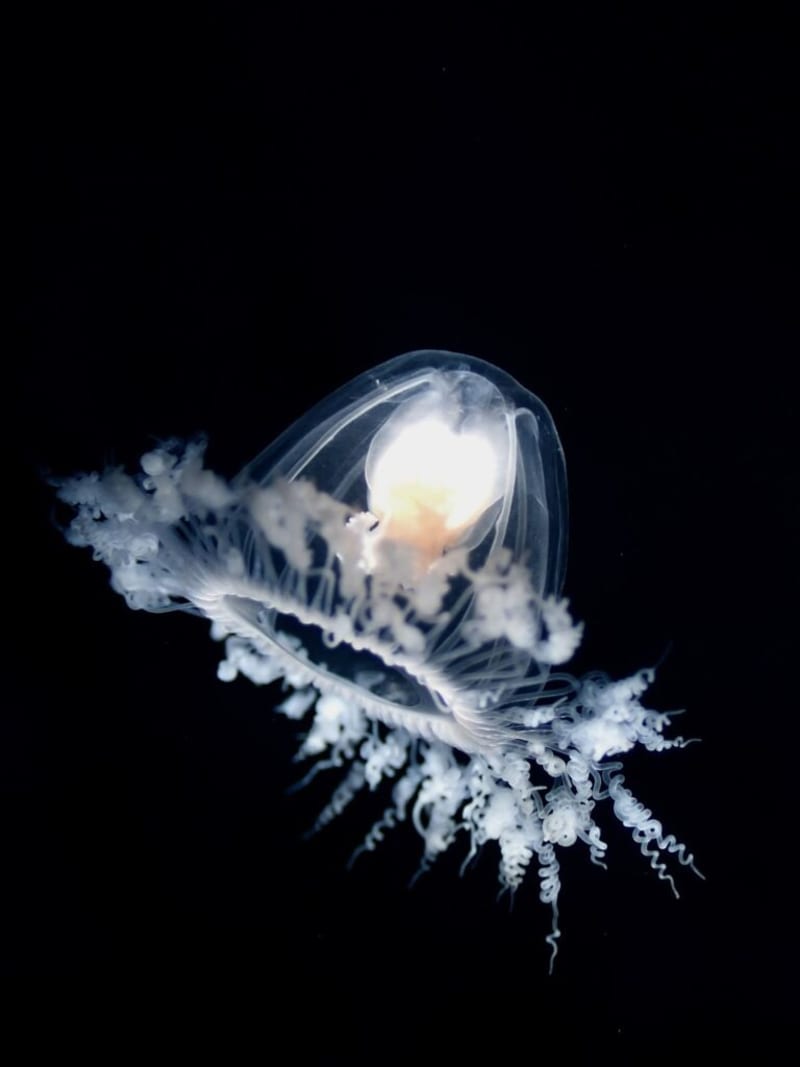
A tiny transparent jellyfish floating in tropical waters has mastered something humans have dreamed about for millennia: it never has to die.
The Turritopsis dohrnii jellyfish can reverse its aging process completely. When stressed by starvation, temperature changes, or injury, this bell-shaped creature transforms back into an infant-like stage in just days, then grows up again and repeats the cycle forever.
Scientists kept these jellyfish alive in labs for two years, watching them restart their lives 11 times. Their cousins live only a few weeks as adults.
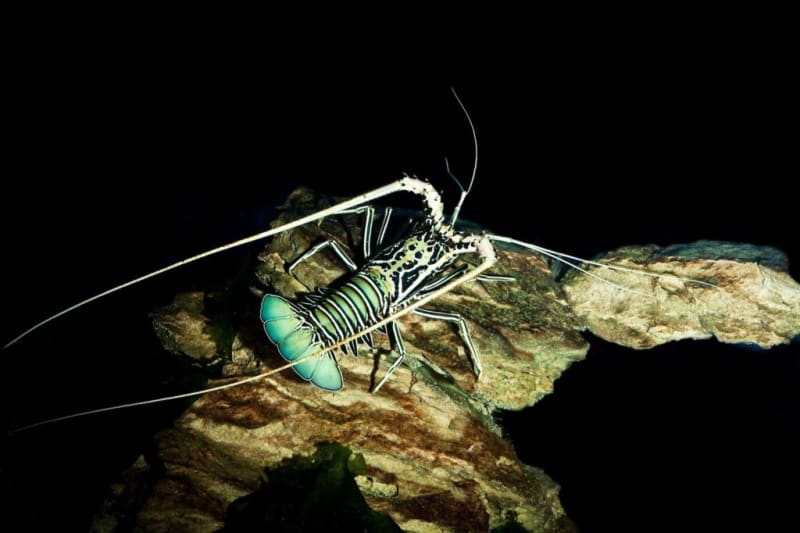
This remarkable ability isn't unique in nature. Lobsters repair their cells continuously, keeping their organs and DNA young for over a century. The oldest lobster ever found, named George, lived to 140 years old and weighed 22 pounds.
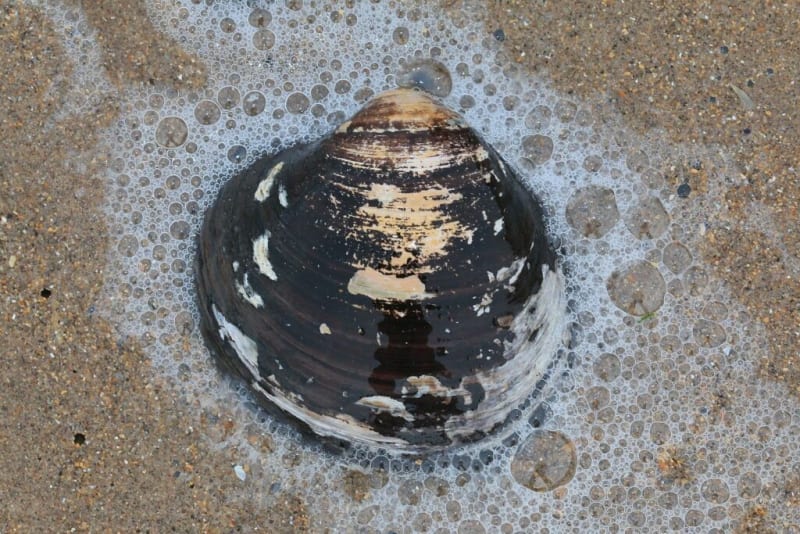
Ocean quahog clams take the slow life to extremes. Moving barely at all and filtering tiny food particles from water, these clams can survive harsh pollution and freezing temperatures. Researchers found one with 507 growth rings in its shell, making it over 500 years old.
The Greenland shark might be even more impressive. This two-ton predator swims through frigid Arctic waters with such a slow metabolism it only needs to eat once a year. The oldest known specimen lived 400 years, born before Shakespeare died.
On land, a tortoise named Adwaita belonged to a British general in the 1700s and lived in a Calcutta zoo until 2006. Carbon dating proved he was 250 years old when he died.
Even some mammals achieve remarkable longevity. Bowhead whales can live over 200 years. Scientists only discovered this in 2007 when hunters found a Victorian-era harpoon still embedded in a whale's neck.
Why This Inspires
These ancient animals share common traits: slow metabolisms, efficient cell repair, and patience. The jellyfish's ability to reset its cells mirrors embryonic stem cells in humans. Lobsters show us continuous regeneration is possible in complex organisms.
Understanding how these creatures avoid aging could revolutionize human medicine. Scientists are already studying their genetic codes, looking for clues about preventing age-related diseases and keeping our own cells young.
Nature has already solved problems we're just beginning to understand. These living time capsules swimming through our oceans and crawling across remote islands prove that extraordinary longevity isn't just possible, it's already here, waiting for us to learn its secrets.
More Images

Based on reporting by Google News - Science
This story was written by BrightWire based on verified news reports.
Spread the positivity!
Share this good news with someone who needs it