Jesse Jackson Dies at 84: The Bridge Builder Who Changed US
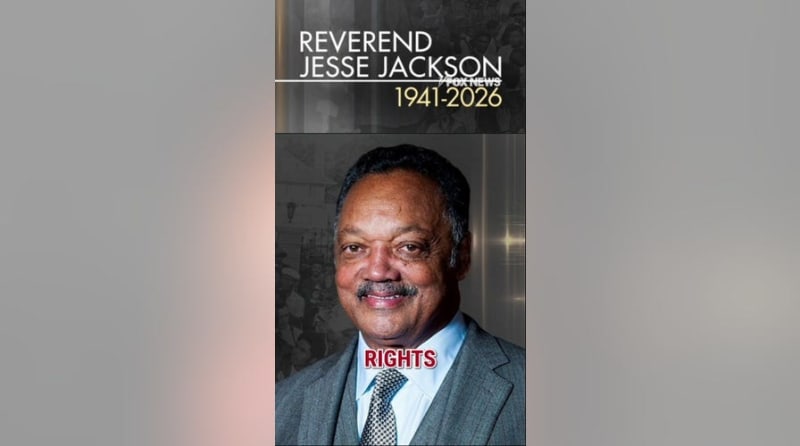
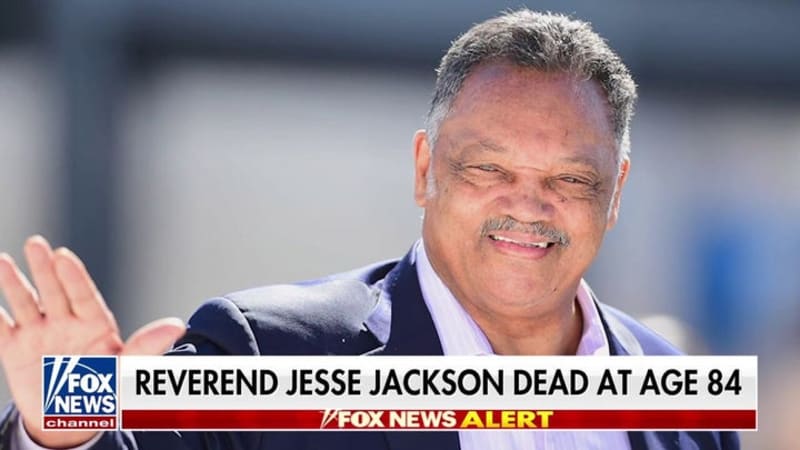
Civil rights leader Jesse Jackson, who freed hostages abroad and reshaped American politics at home, has died at 84. The man who literally ran into a high school student in a parking lot had spent decades running toward justice.
Sometimes history collides with you in the most unexpected places. For journalist Richard Fowler, it happened in a Fort Lauderdale parking lot in 2003 when he literally bumped into Rev. Jesse Jackson at an NAACP dinner.
That chance encounter reflects Jackson's life: always in motion, always showing up. The civil rights leader died peacefully Tuesday at 84, leaving behind a legacy that stretched from freeing hostages in hostile nations to opening corporate boardrooms to millions of Americans.
When American diplomacy failed, Jackson succeeded. He stepped into Syria and Cuba to negotiate the release of American hostages when the State Department couldn't get through the door. Foreign governments that distrusted Washington still trusted him as a moral voice.
At home, Jackson understood that protest alone rarely changes systems. Through Operation Breadbasket and the Rainbow PUSH Coalition, he used shareholder pressure to push Fortune 500 companies to hire Black executives, expand minority contracting, and invest in overlooked communities.
His two presidential campaigns in 1984 and 1988 rewrote the rules of American politics. Jackson energized young voters, working-class Americans, and communities that had felt invisible to power, building what he called the Rainbow Coalition.
"Our flag is red, white and blue, but our nation is a rainbow," he told the 1988 Democratic National Convention. "Red, yellow, brown, Black and White, and we are all precious in God's sight."
The Ripple Effect
That wasn't just poetry. Jackson's coalition strategy became the blueprint for Democratic victories for decades. Bill Clinton used it in the 1990s, Barack Obama in 2008 and 2012, and Joe Biden in 2020.
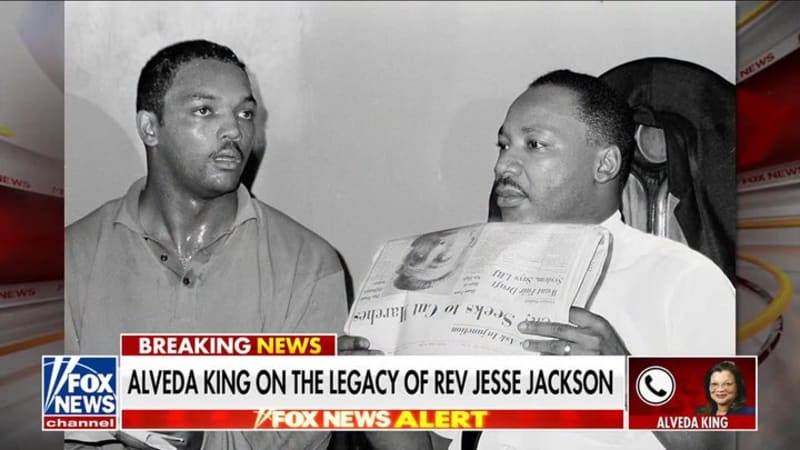
Jackson stood on the balcony of the Lorraine Motel on April 4, 1968, when Martin Luther King Jr. was assassinated. Four decades later, he wept in Chicago's Grant Park as Obama became America's first Black president, watching King's dream take tangible form.
He showed up for striking sanitation workers in Memphis. He stood with family farmers facing foreclosure in rural America during the 1980s. He conferred dignity on those confronting HIV/AIDS when stigma silenced most leaders.
Jackson crossed lines others wouldn't: racial, regional, and political. He insisted that economic justice wasn't confined to one community but belonged to everyone. He believed LGBTQ Americans deserved full inclusion in democracy's promise.
Some debated his tactics and critiqued his politics, but none could deny his impact. From diplomatic backrooms to picket lines, Jackson spent his life insisting America could be larger than its divisions.
That high school student who collided with him in Florida thought he was rushing into history, but he'd actually run into someone who had already shaped it.
More Images
Based on reporting by Fox News Opinion
This story was written by BrightWire based on verified news reports.
Spread the positivity!
Share this good news with someone who needs it
%2Fhttps%3A%2F%2Ftf-cmsv2-smithsonianmag-media.s3.amazonaws.com%2Ffiler_public%2F06%2F16%2F06162d97-5766-41f6-b530-354448ba8fbc%2Fhisl008_ec276.jpg)