%2Ffile%2Fattachments%2Forphans%2FImage13_807280.jpg)
Johannesburg's Keyes Art Mile 2.0 Finally Breaks Ground
After a decade of waiting through bureaucratic delays, Johannesburg's beloved Keyes Art Mile is expanding with new galleries, green spaces, and cultural venues. The 36-property development will transform how people gather and move through the city's creative heart.
Ten years of dreaming just turned into construction cranes and possibility in Johannesburg's Rosebank neighborhood.
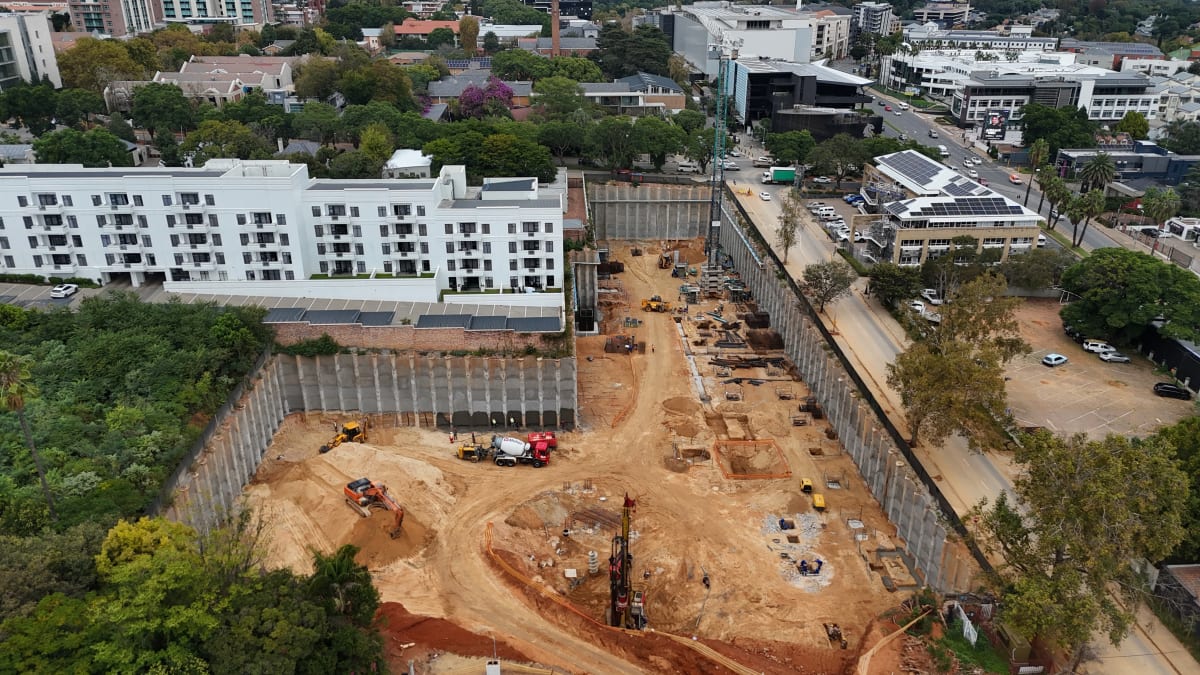
The Keyes Art Mile, which started with a single building in 2016, is finally expanding into the precinct its creators always imagined. For nearly a decade, developer Anton Taljaard watched his approved plans sit in a condemned city building while bureaucracy crawled forward. Now excavators are carving 23 meters deep into the corner of Cradock and Keyes avenues.
The original Trumpet building became more than anyone expected despite being just one structure. Monthly Keyes Art Night gatherings turned into citywide cultural rituals. Students, creatives, and influencers mix on the building's famous steps while galleries, restaurants, and performance spaces draw thousands of visitors.
Taljaard isn't your typical developer. The former investment banker collects art obsessively and talks about cities the way some people discuss poetry. He insists that culture needs ecosystems to thrive, not just buildings.
Keyes 2.0 will spread across 36 properties with residential spaces, a hotel, retail areas, galleries, and possibly a museum. Celebrity chef Wandile Mabaso is bringing his restaurant Les Créatifs into the mix. But the real transformation happens at ground level, where the registered precinct plan allows wider walkways, indigenous planting, and actual gathering spaces instead of narrow sidewalks.
The Ripple Effect
The project plants more than concrete. Taljaard's team is restoring fragments of the indigenous grassland that once covered this area, creating pollinator pathways throughout the development. The original green wall at St Teresa's School holds over 6,000 indigenous plants from 45 species. Taljaard's test for success was simple: the birds showed up.
That thinking now scales across the entire precinct. The goal is for greenery to exceed the thousands of cubic meters of concrete being poured. It mirrors a broader shift happening at developments across Johannesburg, where landscape becomes structure rather than decoration.
The April launch featured an exhibition called Ground-Work, where artists explored soil, excavation, and transformation through earth-based materials. Outside, crews literally remade the ground while inside, artists interpreted what that process means. Art imitating life imitating art.
Johannesburg's relationship with time doesn't follow straight lines. Years pass waiting for basic repairs while massive transformations suddenly accelerate. The Keyes expansion proves that patience and persistence can shift entire neighborhoods when vision finally meets approval.
More Images

%2Ffile%2Fattachments%2Forphans%2FED_576576_553485.jpg)
%2Ffile%2Fattachments%2Forphans%2FED_576575_760970.jpg)
Based on reporting by Daily Maverick
This story was written by BrightWire based on verified news reports.
Spread the positivity!
Share this good news with someone who needs it
%2Ffile%2Fattachments%2Forphans%2FMLJoburg-91_220988.jpg)
%2Ffile%2Fattachments%2Forphans%2F6I1A4661_850277.jpg)