Johns Hopkins Imaging Tracks Cell Therapy in Real Time
Scientists at Johns Hopkins Medicine developed a magnetic imaging technique that lets them watch therapeutic cells travel through the body, potentially revolutionizing how doctors personalize cancer and autoimmune treatments. The breakthrough could help ensure every patient gets exactly the right dose delivered to the right place.
Imagine if doctors could watch lifesaving cells travel through your body in real time, making sure they reach exactly where they need to go. That future just got closer thanks to scientists at Johns Hopkins Medicine.
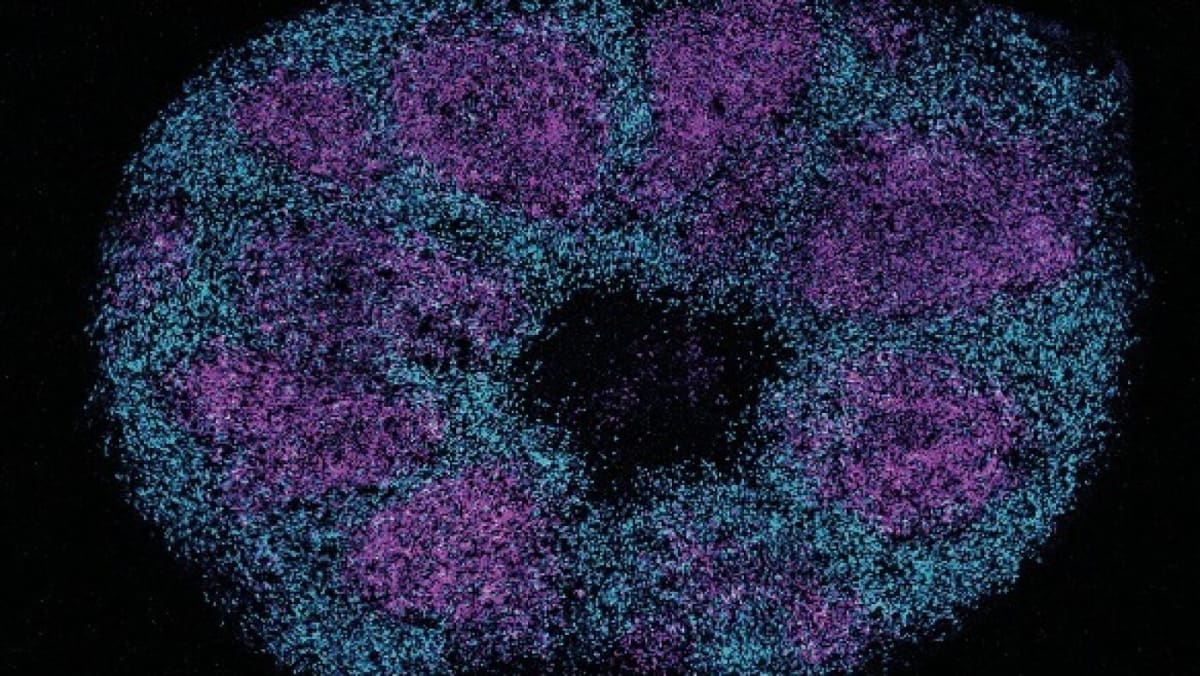
Researchers developed a way to use magnetic particle imaging (MPI) to track therapeutic cells as they move through the body. The technique works like a GPS for cell therapy, showing doctors precisely how many cells were delivered and where they ended up.
The breakthrough matters because current cell therapies, like CAR-T treatments that reprogram immune cells to fight cancer, operate somewhat blindly. Doctors inject the cells and hope for the best, unable to see with conventional MRI or CT scans whether enough cells reached the tumor or inflamed tissue.
Dr. Jeff Bulte, who led the research published in Science Advances, used tiny magnetic nanoparticles to tag therapeutic cells in mice. His team tested both large stem cells used in autoimmune disease trials and smaller neural cells being developed for conditions like ALS.
The results surprised them. When cells were injected into arteries of mice with a condition similar to multiple sclerosis, the therapeutic cells traveled straight to disease hot spots in the brain and spleen. In healthy mice, the pattern changed, showing the cells responded to actual disease signals.
Even more promising, the team discovered that in MS-like conditions, therapeutic cells reached the spleen where harmful immune cells originate. This means treatments could stop autoimmune attacks right at their source.
The research solved another puzzle too. Cell size and delivery method both mattered for where treatments ended up. Some cells accumulated in lungs and liver, information that could help doctors avoid side effects and improve targeting.
Why This Inspires
This technology represents a shift from guesswork to precision in some of medicine's most promising treatments. Cell therapy already saves lives for certain cancers and shows potential for multiple sclerosis, ALS, and other devastating conditions.
Being able to see exactly what happens inside each patient's body means doctors could adjust doses in real time, switch delivery methods, or confirm treatment reached its target. No two patients are identical, and MPI could help personalize these powerful therapies for each person's unique biology.
The technique also accelerates research itself. Scientists can now test different approaches in hours instead of weeks, speeding the path from lab to clinic for new treatments.
The team plans to expand their experiments to cancer and neurological diseases, working toward clinical trials in humans. With NIH funding supporting the next phase, this imaging breakthrough could become standard care within years.
Every patient receiving cell therapy deserves to know their treatment reached where it needed to go, and this innovation brings that confidence within reach.
Based on reporting by Google News - Researchers Find
This story was written by BrightWire based on verified news reports.
Spread the positivity!
Share this good news with someone who needs it