Johns Hopkins Opens First U.S. Psychedelic Side Effects Clinic
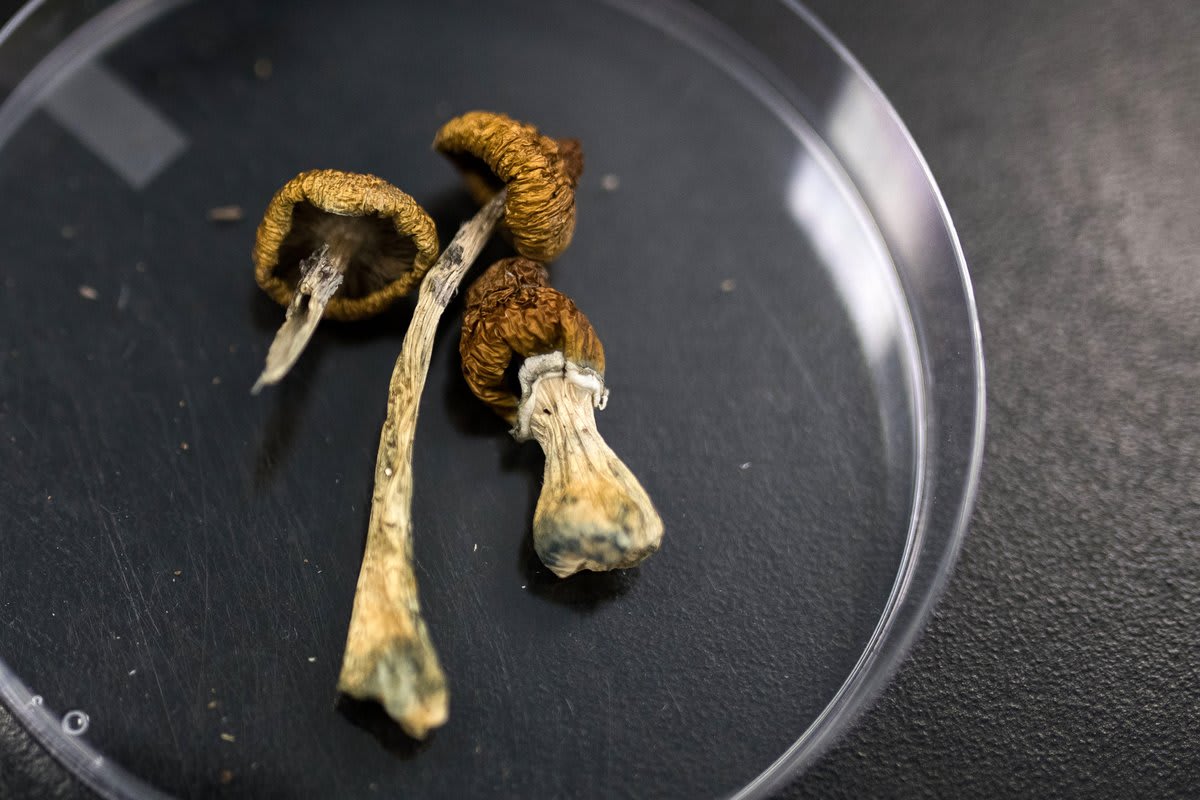
As psychedelic therapy grows nationwide, Johns Hopkins launched America's first clinic dedicated to treating rare but serious long-term side effects. The specialized center offers hope to patients who didn't know help existed.
For patients suffering mysterious visual disturbances or mood changes after psychedelic use, finding treatment has been nearly impossible until now.
Johns Hopkins University in Baltimore opened the Clinic for Post-Psychedelic Difficulties last year, becoming the first U.S. medical center specifically designed to study and treat long-term side effects from psychedelic drugs. A second clinic is expected to open at Emory University in Atlanta this year.
The timing matters. As states legalize psychedelics and research shows promise treating PTSD and depression, acknowledging potential risks ensures people get balanced information and access to care when needed.
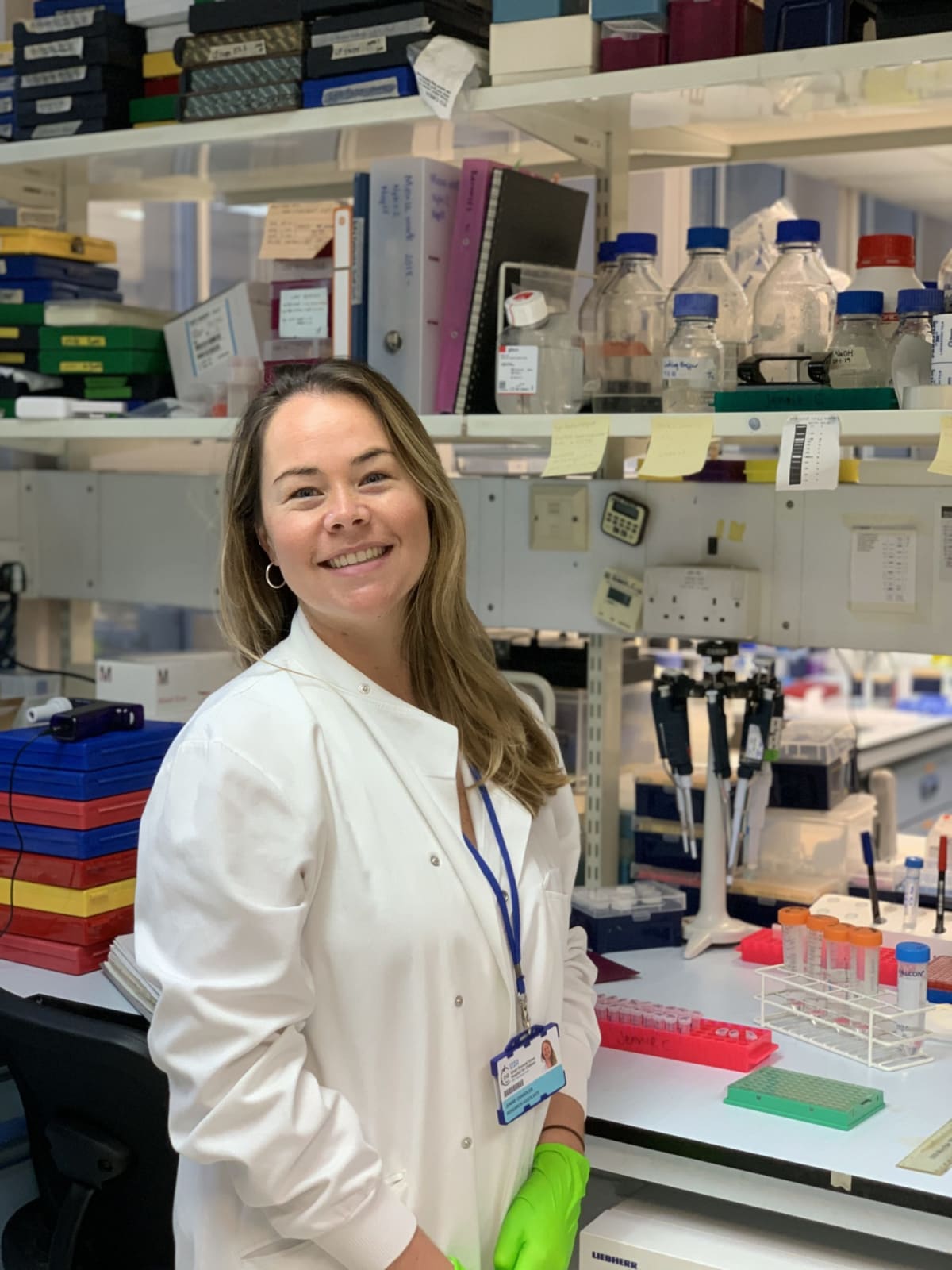
Psychiatrist Azin Bekhrad co-founded the Baltimore clinic because these rare outcomes remained poorly studied despite affecting real patients. The goal is creating a network of providers who can collaborate on challenging cases.
The clinic sees two main patient groups. Some experience mania or psychosis after psychedelic use, while about half suffer from hallucinogen persisting perception disorder (HPPD), a rare reaction causing persistent visual problems like halos, geometric shapes, or visual snow.
Treatment combines antidepressants and antiseizure medications developed from case studies, with nearly a third of patients showing full recovery within a year. While HPPD symptoms typically subside after twelve months, some patients have suffered for decades simply because they didn't know where to find help.
A Berlin clinic founded in 2017 sees 150 to 200 patients annually from around the world. The Johns Hopkins clinic treated 10 patients in its first year, currently limited to in-person or in-state telehealth visits.
Researchers estimate 4 percent of psychedelic users experience serious problems, though actual numbers remain uncertain since recreational use often goes unreported. Studies suggest those affected typically have preexisting neuropsychiatric conditions.
The Ripple Effect
These clinics represent more than treatment centers. They signal a mature, balanced approach to psychedelic medicine that acknowledges both potential benefits and real risks.
Psychiatrist Tomislav Majić, who directs the Berlin clinic, advocates for nonideological perspectives recognizing that psychedelics aren't toxic or addictive but aren't without risks either. Creating space for honest discussion about adverse events protects both patients and the future of research.
UC Berkeley neuroscientist Michael Silver notes that preparation and environment significantly impact outcomes. Better research into "set and setting" could improve public education and allow more precise treatments.
The existence of specialized care means patients facing difficulties no longer suffer alone, and researchers can finally study these rare reactions systematically to make psychedelic therapy safer for everyone.
More Images



Based on reporting by Scientific American
This story was written by BrightWire based on verified news reports.
Spread the positivity!
Share this good news with someone who needs it