Jordan Approves $1B Green Ammonia Plant in Historic Deal
Jordan just greenlit its first major green ammonia facility, a $1 billion project that will harness the sun to create clean fuel for farms and ships worldwide. By 2030, this solar-powered plant could position the desert kingdom as a clean energy exporter.
Jordan is betting big on sunshine, and the payoff could reshape the Middle East's energy future.
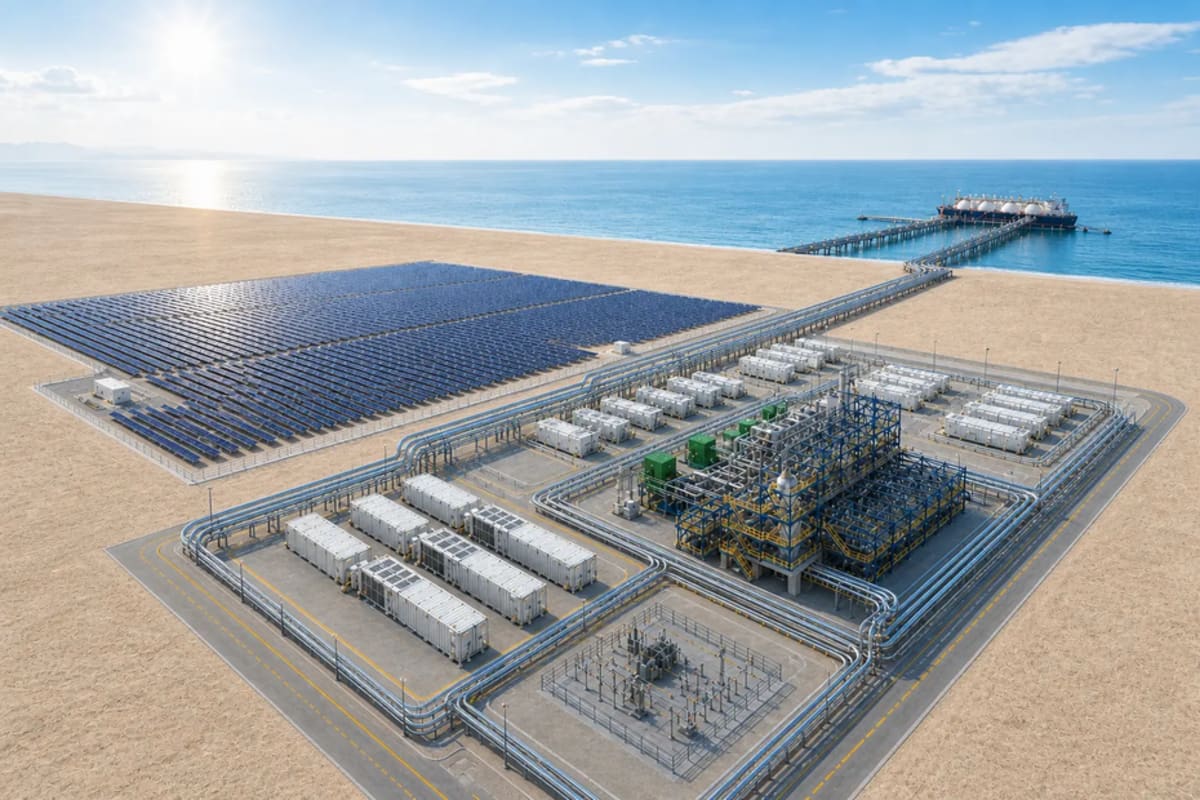
The Jordanian government just approved a $1 billion agreement to build the country's first large-scale green ammonia facility. Jordan Green Ammonia, a partnership between Poland's Hynfra Group and regional leader Fidelity Group, will construct a massive solar-powered plant that produces ammonia without any carbon emissions.
Here's why that matters. Traditional ammonia production, used mainly in fertilizers and increasingly in shipping fuel, generates enormous amounts of greenhouse gases. This facility will flip that script entirely, using solar panels to split water into hydrogen, then converting that hydrogen into ammonia with zero emissions.
The numbers tell an impressive story. The project will include 550 megawatts of solar panels (enough to power a small city) and produce 100,000 tonnes of green ammonia annually starting in November 2030. The facility will run completely off-grid, generating and storing all its own power.
Jordan's location gives it a strategic advantage. The plant will be built near Aqaba, a port city perfectly positioned to export clean fuel to Europe, Asia, and Africa. While other nations debate their clean energy futures, Jordan is building the infrastructure to supply them.
The Ripple Effect
This isn't just about one factory. The approval signals that Jordan intends to become a regional hub for green industry, attracting billions in clean tech investment to a part of the world better known for fossil fuels.
The project will create hundreds of construction jobs and permanent positions requiring specialized training, building local expertise in technologies that didn't exist a decade ago. Danish technology company Topsoe is partnering on the project, bringing world-class clean energy know-how to the region.
Financial close is planned for September 2027, meaning investors are confident enough to commit serious capital. That confidence matters because it shows that green ammonia has moved from experimental to economically viable.
The facility could help decarbonize two of the world's hardest industries to clean up: agriculture and maritime shipping. Farmers need fertilizer, ships need fuel, and both sectors have struggled to find low-emission alternatives that actually work at scale.
Jordan joins a small but growing club of nations racing to export clean energy instead of just consuming it. For a country with limited oil reserves but abundant sunshine, that's not just environmental progress; it's economic strategy.
The desert kingdom is turning its greatest natural resource into its newest export, one sun-powered molecule at a time.
More Images


Based on reporting by Google News - Clean Energy
This story was written by BrightWire based on verified news reports.
Spread the positivity!
Share this good news with someone who needs it