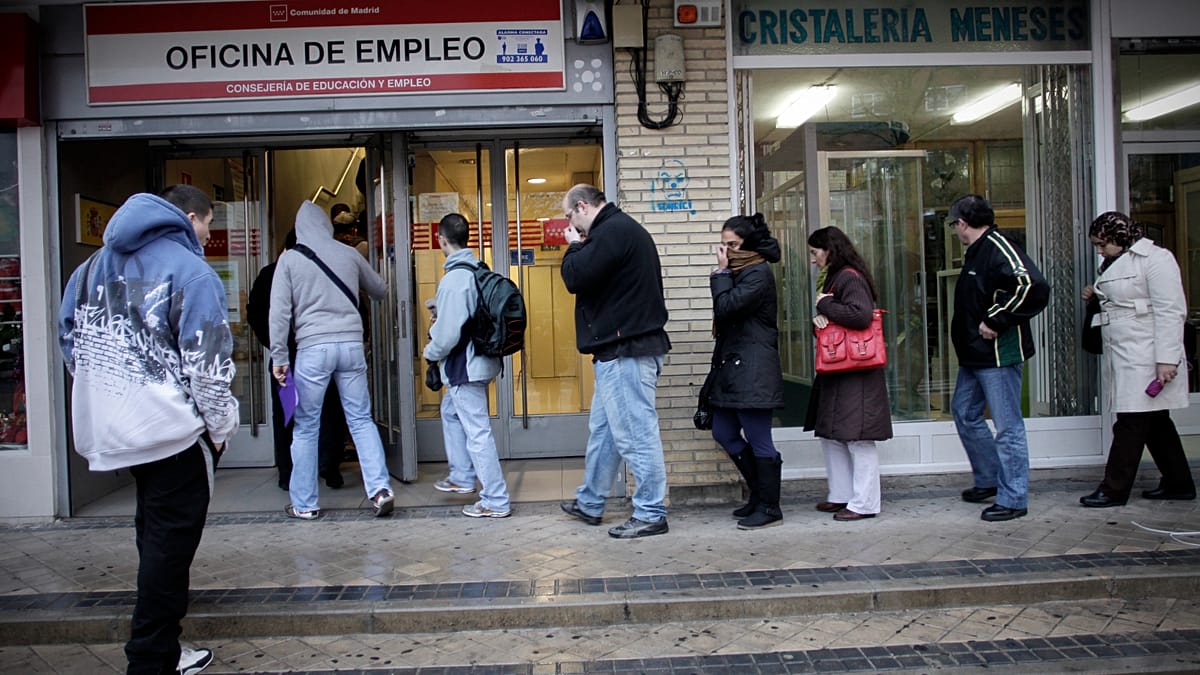
Jordan's Unemployment Falls as Female Joblessness Drops 2%
Jordan's unemployment rate declined to 16.1% in late 2025, with women seeing the biggest gains as female joblessness dropped two percentage points in just three months. The progress comes alongside dramatic wage growth and a surge in workers gaining social security coverage over the past two decades.
Jordan just hit a meaningful milestone in its fight against unemployment, with women leading the charge toward economic progress.
The country's overall unemployment rate fell to 16.1% in the fourth quarter of 2025, down from 16.2% the previous quarter, according to the Department of Statistics. While that might seem like a small shift, what's happening beneath the surface tells a more exciting story.
Female unemployment dropped by two full percentage points during those three months, falling to 25%. That's the kind of rapid improvement that signals real change for thousands of families across the kingdom.
Male unemployment also improved, ticking down to 13.8% from 14% in the previous quarter. The announcement came as Jordan marked International Labour Day on May 1, a fitting moment to celebrate employment gains.
The progress extends beyond just more people working. Social security coverage has exploded over the past two decades, protecting far more workers and their families than ever before.
The number of insured workers jumped from just 366,000 in 2000 to nearly 1.6 million by 2024. That's more than quadruple the coverage, giving millions of Jordanians safety nets they never had before.
Wages have climbed dramatically too. The average monthly wage across both public and private sectors reached 551 Jordanian dinars (about $777 USD) in 2023, up from just 60 dinars in the mid-1970s.
The Ripple Effect
These employment gains mean more than just statistics on a government report. Each percentage point drop represents hundreds of Jordanian women finding jobs, earning paychecks, and gaining independence.
The social security expansion touches everything from healthcare access to retirement planning. Families can now plan for the future with confidence that didn't exist a generation ago.
Jordan's labour movement has deep roots too. The country established the General Federation of Jordanian Trade Unions way back in 1954, making it a regional pioneer in worker organization and rights.
The wage growth is especially meaningful when you consider the gaps that still exist. While men averaged 563 dinars monthly in 2023, women earned 522 dinars, but both groups saw their earning power grow substantially over the decades.
Public sector workers earn more on average at 667 dinars per month, while private sector employees make about 499 dinars. Yet even private sector wages have climbed steadily, more than doubling since the mid-1990s.
The quarter-over-quarter improvements show momentum building in Jordan's economy, creating opportunities that didn't exist just months ago.
More Images

Based on reporting by Google: unemployment rate drops
This story was written by BrightWire based on verified news reports.
Spread the positivity!
Share this good news with someone who needs it