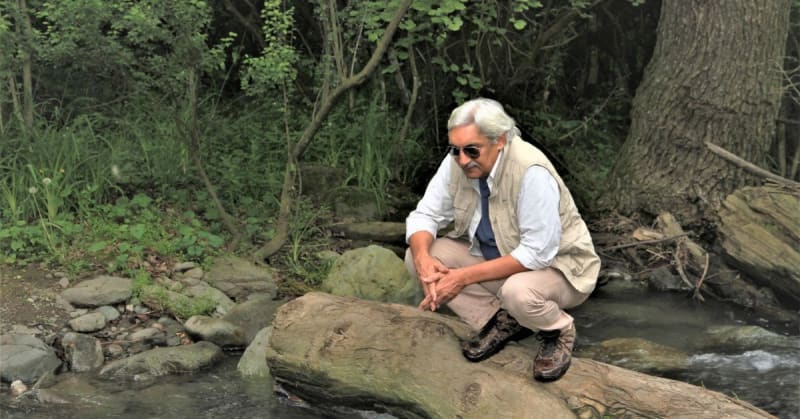
Journalist Builds Wildlife Magazine That Runs 44 Years Strong
When a mentor challenged Bittu Sahgal to stop talking and start doing something for India's wildlife, he launched Sanctuary Asia magazine in 1981. Four decades later, it's still the country's leading voice for conservation, never missing a single issue.
A campfire conversation at Ranthambore National Park in 1981 changed the course of Indian wildlife conservation. When young advertising professional Bittu Sahgal asked his mentor how he could help save tigers, Fateh Singh Rathore shot back with a challenge: India had hundreds of magazines about politics and sports, but not one about wildlife.
Nine months later, Sahgal handed Rathore the first issue of Sanctuary Asia. The magazine has published every month since, never missing an edition through wars, economic crises, or social upheaval.
Sahgal's journey began in 1977 when he trekked through Kashmir's alpine meadows searching for the hangul, a rare stag found only in that region. His experience became a full-page feature in The Indian Express and ignited a passion that would define his life's work.
The magazine does more than share pretty pictures of animals. It amplifies voices of local communities protecting their forests, holds powerful people accountable, and gives threatened species the spotlight they deserve.
Every other issue is dedicated to young readers through Sanctuary Cub, planting seeds of conservation in the next generation. In 2015, Sahgal expanded his vision by creating the Sanctuary Nature Foundation, bringing together photographers, writers, and activists to drive change on the ground.
Why This Inspires
Sahgal's background as a salesman taught him something crucial about conservation work. "You can't walk into a room and sell a guy something that he doesn't really need," he explains.
That philosophy shaped how he approaches environmental journalism. Instead of lecturing people about saving nature, he shows them why wild spaces and creatures matter to their own lives.
His early memories fuel this mission: watching monkeys in Shimla, sitting near a leopard kill at Ranthambore without even knowing it, and discovering a poisoned tiger carcass that made him realize humans create unnecessary suffering for creatures already facing enough challenges.
The quest to be "Sahgal-approved" has become real among conservationists, homestay owners, and activists across India. His name appears in interviews with wildlife protectors as someone whose recognition matters.
From selling calendars and chemical buckets as a teenager in Kolkata to becoming India's most respected environmental voice, Sahgal found his true product: hope for the wild. He calls himself "a salesman for nature," and after 44 years, his magazine proves that good news about conservation can survive and thrive.
More Images
%2Fenglish-betterindia%2Fmedia%2Fmedia_files%2F2026%2F02%2F02%2Fbittu-sahgal-7-2026-02-02-18-21-30.jpg)
%2Fenglish-betterindia%2Fmedia%2Fmedia_files%2F2025%2F11%2F20%2Fwild-at-heart-banner-image-microsite-banner-2025-11-20-16-17-04.jpg)
%2Ffilters%3Aformat(webp)%2Fenglish-betterindia%2Fmedia%2Fmedia_files%2F2026%2F02%2F02%2Fbittu-sahgal-4-2026-02-02-18-04-53.jpg)

Based on reporting by The Better India
This story was written by BrightWire based on verified news reports.
Spread the positivity!
Share this good news with someone who needs it