Journalist Helps 800 Farmers Revive 13 Native Rice Varieties
After decades covering agriculture, M J Prabu returned to his Tamil Nadu village and sparked a movement to save disappearing native rice seeds. Now 800 farmers across 30 villages are restoring food traditions through community seed banks.
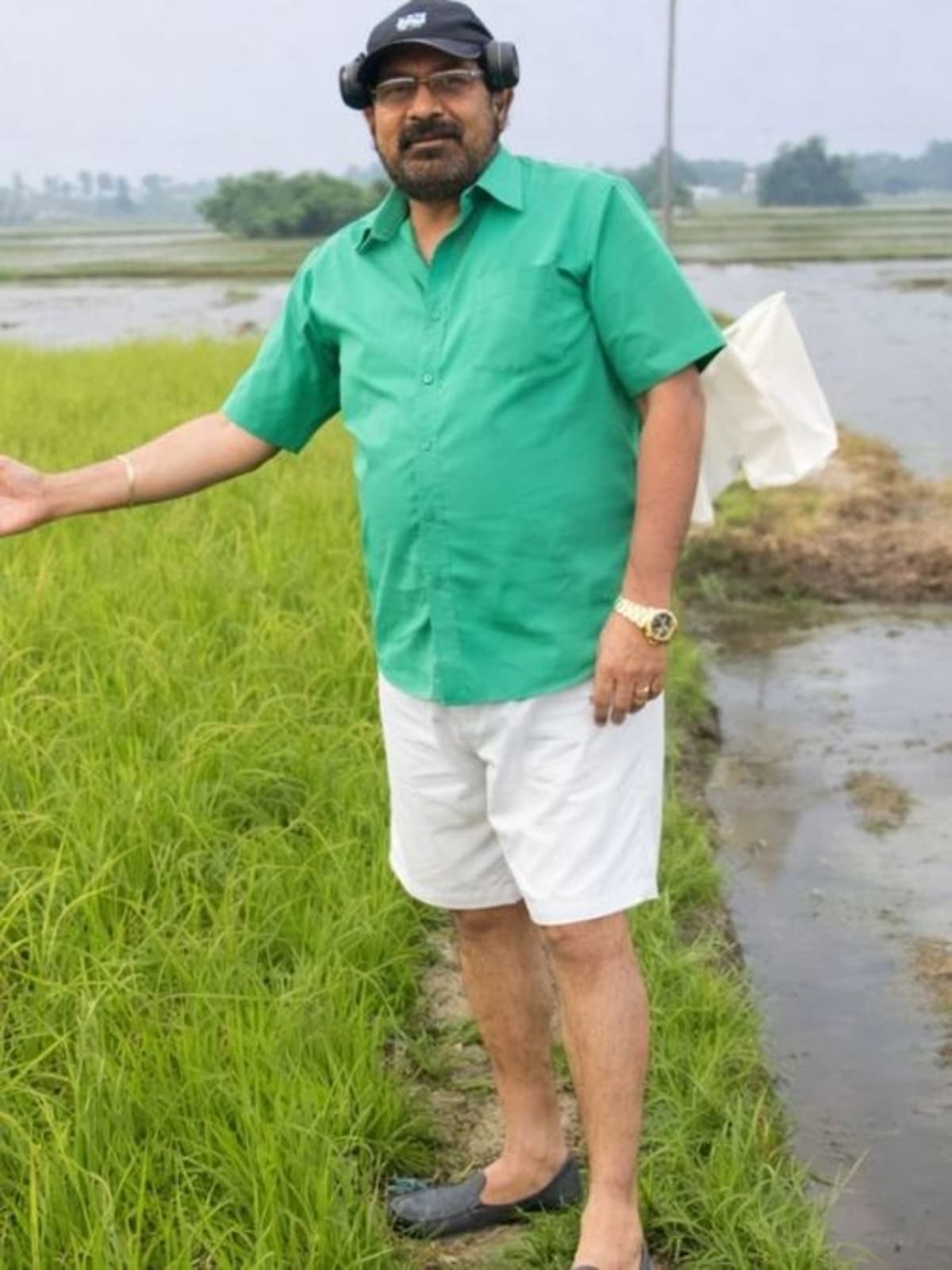
When M J Prabu drove home from the airport, the farmland he remembered had vanished beneath concrete. The agriculture journalist knew something precious was being lost.
Prabu had spent years reporting on farming across India, but in 2014 he returned to his ancestral land in Tamil Nadu with a mission. He founded the Green Cause Foundation to help farmers reclaim something industrial agriculture had taken: their native seeds.
Across Tamil Nadu, traditional rice varieties were disappearing. Hybrid seeds promised higher yields, but they came with hidden costs: expensive chemicals, pesticides, and the loss of varieties that had thrived in local conditions for generations.
Prabu envisioned a different path. He wanted farmers to grow seeds their ancestors had cultivated, varieties like mappillai samba and karuppu kavuni that carried centuries of food heritage and nutrition.
In 2017, Bioversity International joined the effort, helping establish community seed banks across Chengalpattu district. The model is beautifully simple: farmers receive two kilograms of native rice seeds to plant, then return four kilograms after harvest to keep the seed bank alive for others.
The system runs on trust, not contracts. Nine seed banks now serve clusters of villages, connecting farmers through shared responsibility and mutual benefit.
The Ripple Effect
Today, roughly 800 farmers across 30 villages are growing 13 indigenous rice varieties. These traditional seeds need fewer chemicals and show remarkable resilience against pests and flooding.
"The crops are doing well despite heavy rains," Prabu notes, proof that older varieties often outperform modern hybrids when weather turns extreme.
But Prabu's vision extends beyond planting. He encourages farmers to market their harvest directly, taking ownership of their work. "It is your own baby," he tells them. "Why do you expect somebody else to come and name your baby?"
The impact reaches beyond yields and profits. Each native variety carries stories, unique flavors, and nutritional profiles developed over generations. When farmers save these seeds, they're preserving cultural memory alongside agricultural diversity.
What started as one person's concern about disappearing farmland has grown into a network of communities restoring the resilience of their land, one harvest at a time.
Based on reporting by The Better India
This story was written by BrightWire based on verified news reports.
Spread the positivity!
Share this good news with someone who needs it