Journalist Shows Why Scientific Breakthroughs Face Pushback
Science journalist Matt Kaplan reveals how game-changing discoveries from DNA to mRNA vaccines initially faced fierce resistance, even from experts. His new book celebrates the persistence of scientists who proved the doubters wrong.
When Katalin Karikó was developing mRNA technology in the 1990s, her colleagues called it a dead end and demoted her four times. Three decades later, her research saved millions of lives during COVID-19 and earned her a Nobel Prize.
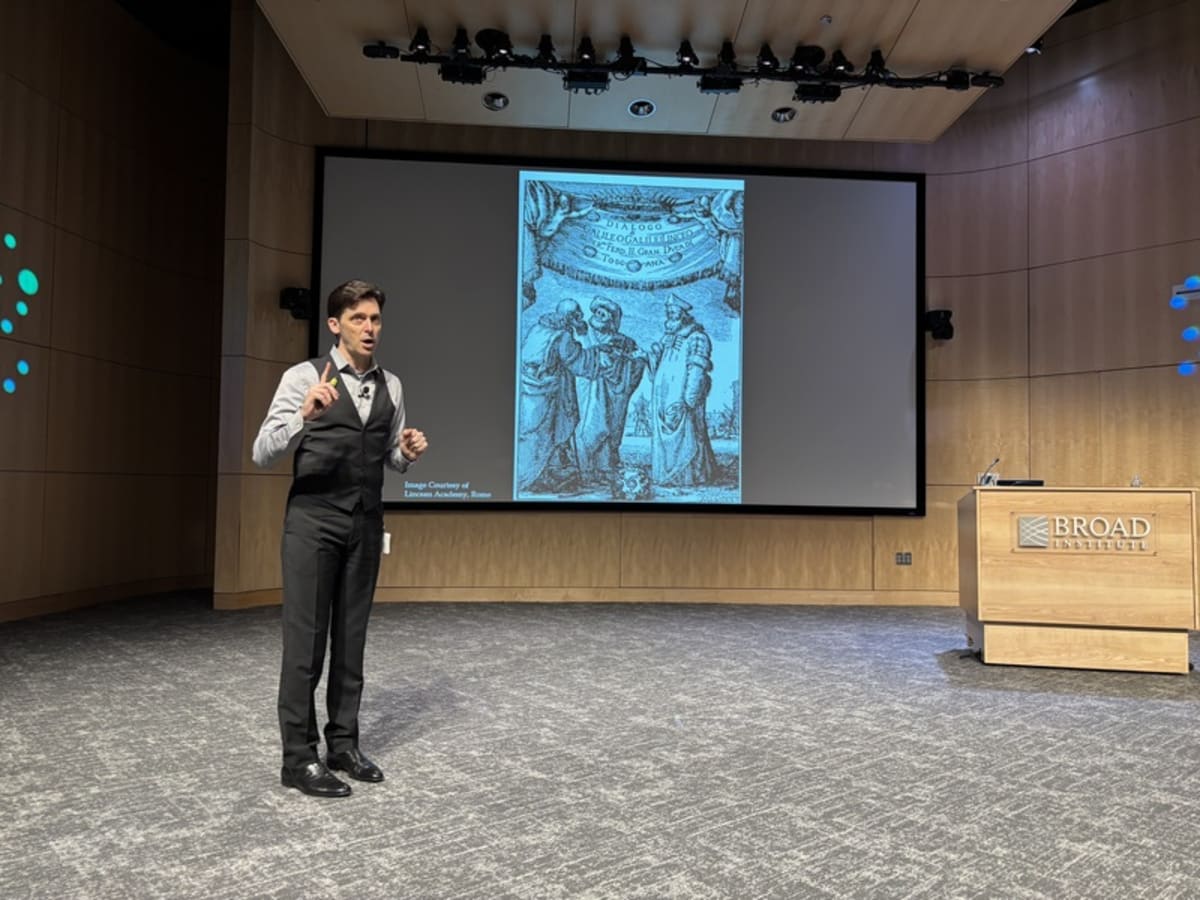
Science journalist Matt Kaplan shares stories like Karikó's in his new book "I Told You So!: Scientists Who Were Ridiculed, Exiled, and Imprisoned for Being Right." Speaking at the Broad Institute in March 2026, he revealed a surprising pattern: breakthrough discoveries almost always face pushback at first.
The inspiration came during the pandemic when Kaplan was covering COVID-19. Scientists he interviewed refused to share innovative ideas publicly, fearing they'd damage their reputations if proven wrong. "Science is an engine of discovery: it does great things, but it is a clunky engine," Kaplan explained.
History proves this resistance isn't new. Louis Pasteur actually stole credit for the anthrax and rabies vaccines from two lesser-known scientists, Henri Toussaint and Pierre Gatlier. Pasteur had initially dismissed their work before secretly testing their methods and claiming the discoveries as his own.
Hungarian physician Ignaz Semmelweis identified the cause of childbed fever and proved handwashing saved lives in hospitals. But other doctors rejected his findings, and he died alone in an asylum at 47, never receiving recognition for work that would eventually become standard medical practice.
Why This Inspires
Kaplan's research shows that scientific progress isn't just about having the right answer. It also requires navigating politics, building connections, and fighting through rejection. The engine might be clunky, but the scientists who persist despite the resistance ultimately change the world.
Karikó exemplifies this persistence. Despite losing funding and facing constant doubt about mRNA research, she continued working. Her collaboration with immunologist Drew Weissman led to breakthroughs that biotechnology company BioNTech later developed into the Pfizer COVID-19 vaccine.
The book arrives at a crucial time. A 2024 study found that retraction rates for European biomedical papers quadrupled between 2000 and 2021, mostly due to suspected fraud. The pressure to publish and compete is pushing scientists toward misconduct rather than collaboration.
Kaplan argues the scientific community needs better teamwork and openness to new ideas. From Galileo defending heliocentrism to Karikó championing mRNA technology, the pattern is clear: today's rejected theory could be tomorrow's lifesaving breakthrough.
The scientists who changed history weren't always the most connected or politically savvy. They were simply too stubborn to give up on discoveries they knew were right.
Based on reporting by Google: scientific discovery
This story was written by BrightWire based on verified news reports.
Spread the positivity!
Share this good news with someone who needs it