Journalist's 20-Year Arctic Study Shows Region's Global Hope
A new book reveals the Arctic isn't just ice and polar bears but a vibrant, interconnected ecosystem vital to solving our climate crisis. After two decades of reporting, one journalist shows why understanding the far north matters for all of us.
Most of us think of the Arctic as a frozen wasteland with a few wandering polar bears. But journalist Neil Shea spent 20 years discovering something far more remarkable.
His new book "Frostlines" paints a completely different picture of the north. Through decades of reporting for National Geographic, Shea uncovered a landscape teeming with life, culture, and lessons we desperately need as our planet warms.
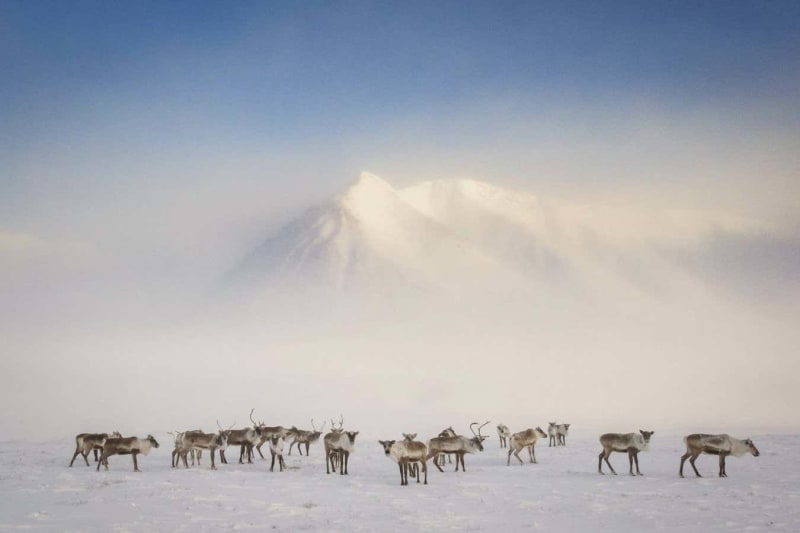
The Arctic isn't empty or lifeless. It's home to massive caribou migrations, Indigenous communities with ancient wisdom, and ecosystems that directly influence weather patterns affecting billions of people worldwide.
Shea argues we've been ignoring one of Earth's most important regions at exactly the wrong time. As global temperatures rise, the Arctic holds crucial answers about adaptation, resilience, and survival.
The book weaves together stories of the people, animals, and landscapes that make the Arctic far more complex than the simple white expanse we imagine. These aren't just pretty nature stories but urgent dispatches from a region that affects every corner of our planet.
Why This Inspires
What makes "Frostlines" powerful isn't doom and gloom but connection. Shea shows how caribou migrations in Alaska relate to weather in Kansas, how Indigenous knowledge developed over millennia offers solutions modern science is only beginning to understand.
The book proves that paying attention to distant places isn't charity or academic exercise. Understanding the Arctic means understanding the systems that keep our entire planet livable.
By treating the north as a teacher rather than a victim, Shea offers something rare in climate writing: genuine hope grounded in real knowledge. The Arctic has survived dramatic changes before, and the people who live there have adapted for thousands of years.
Their stories aren't just about endurance but about thriving in challenging conditions. That wisdom matters now more than ever as communities everywhere face rapid environmental change.
Two decades of patient reporting has produced a book that makes the distant feel immediate and the foreign feel essential. When we finally see the Arctic clearly, we see ourselves and our future more clearly too.
More Images

Based on reporting by New Scientist
This story was written by BrightWire based on verified news reports.
Spread the positivity!
Share this good news with someone who needs it