Joy Robot Heading to Space Station to Help Astronauts
A free-flying robot with mechanical arms will launch to the International Space Station in 2027 to take over repetitive tasks and give astronauts more time for groundbreaking research. The mission marks a major step toward autonomous helpers working safely alongside humans in space.
Astronauts aboard the International Space Station spend hours each day on mundane tasks like moving cargo bags and setting up experiments, stealing precious time from the scientific work only humans can do.
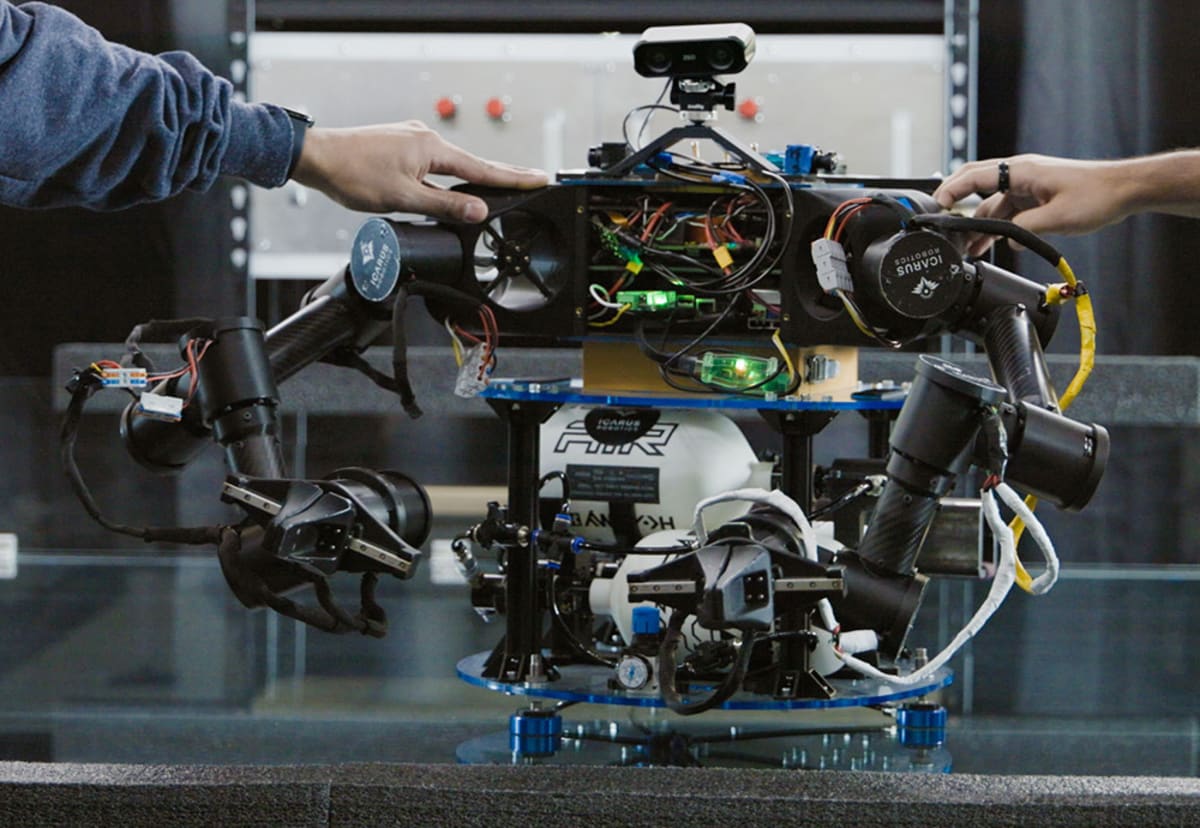
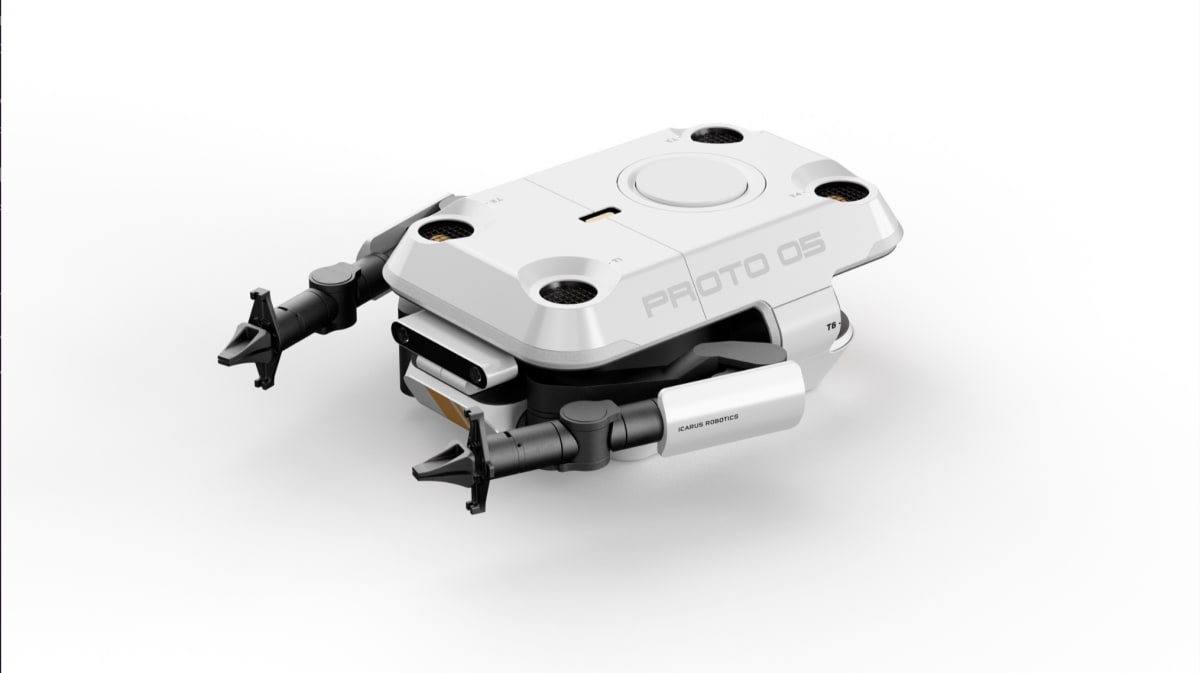
That's about to change. New York startup Icarus Robotics plans to send Joy, a free-flying robot with two mechanical arms, to the space station in early 2027 to handle the routine work.
Joy moves through the station using fans and can be controlled from Earth using robotic arms. The Icarus team will start by operating Joy remotely, gathering data from real space conditions to eventually build a fully autonomous system.
"About three-quarters of experimental work is just setup, locating tools, and unpacking things," said Scott Rodriguez from Voyager Technologies, the company managing the mission. Joy aims to change that by preparing workspaces and staging experiments while astronauts focus on complex research and problem-solving.
The technology draws inspiration from an unexpected source. The Icarus team studied surgical robots, which co-founder Jaime Palmer calls "one of the frontiers of robot teleoperation," to improve how operators control Joy from thousands of miles away.
Getting a robot certified for the space station requires passing NASA's rigorous safety reviews. The agency explores every possible way something could go wrong, no matter how unlikely. Voyager's experience launching thousands of payloads helped Icarus navigate the process and avoid common pitfalls.
The partnership emerged naturally. Icarus raised $6.1 million last year and needed experienced hands to turn their prototype into a space-ready system. Voyager operates the only commercial airlock on the station and specializes in bringing experimental technology from concept to reality.
The Ripple Effect
What starts as a helper on the space station could transform how humans live and work beyond Earth. Rodriguez believes Joy's technology will prove valuable as companies build future commercial space stations and habitats.
The lessons learned from operating robots safely around people in zero gravity apply far beyond space. The same core challenges exist in hospitals, factories, and homes where humans and robots need to work side by side.
Every cargo bag Joy moves and every experiment it sets up multiplies the scientific output of the space station. More research time means faster breakthroughs in medicine, materials, and technologies that benefit everyone on Earth.
By 2027, astronauts will have a tireless coworker handling the routine so they can focus on discoveries only human minds can make.
More Images

Based on reporting by The Robot Report
This story was written by BrightWire based on verified news reports.
Spread the positivity!
Share this good news with someone who needs it