Joy Statue Returns After 25 Years in Storage
A statue honoring sex workers has returned to Sydney's Darlinghurst after a 24-year campaign. Joy celebrates the neighborhood's role in the world's first decriminalization of sex work.
After 25 years in storage, Joy has finally come home to the streets where she belongs.
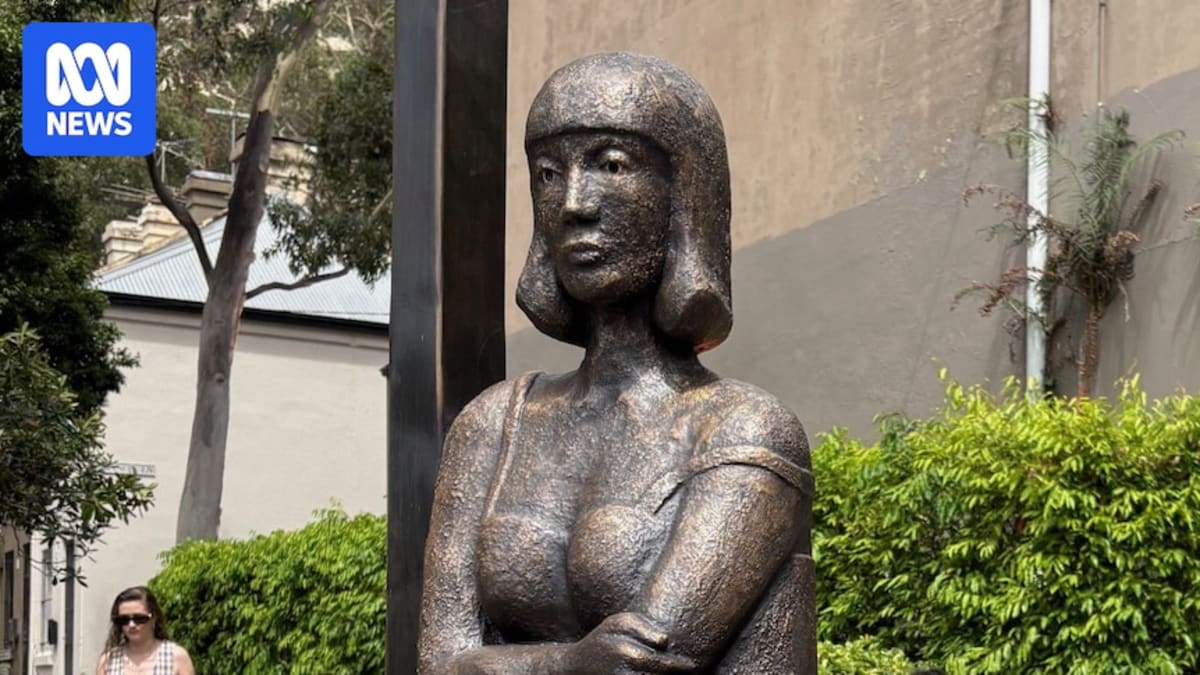
The bronze statue of a woman in a short dress, cigarette in hand, casually leaning against a doorframe first stood in Darlinghurst, Sydney in 1995. She honored the working women of the neighborhood and New South Wales becoming the first place in the world to fully decriminalize sex work.
Artist Loui May created Joy after years of seeing sex workers in doorways near her art school. "I was wanting to make a statement about them being actually women of importance," May said.
For Julie Bates, a sex worker who later founded the Australian Prostitutes' Collective, Joy represented something bigger. "Joy is the embodiment of every woman who has worked hard to support her family, put food on the table," she explained.
But not everyone welcomed Joy. As Darlinghurst transformed from red-light district to upscale cafe culture, some residents campaigned against her. After vandalism and 18 months of protests, Joy was removed in 1997 and stored at Macquarie University.
Chantell Martin, who worked in the area when Joy first appeared, remembered her initial resistance. "All of a sudden you're going to put a bloody statue there and really put a target on our back," she said. But after visiting with fellow workers, Martin changed her mind: "She was us."
Why This Inspires
Joy's return celebrates a movement that changed history. In the 1980s, when HIV spread fear worldwide, sex workers in Darlinghurst became champions of safe sex education. "We were the cheerleaders of safe sex," Bates said, noting they used condoms before it was legal in brothels.
The statue inspired the annual Joy Awards, recognizing advocates who fought for respect and dignity in the industry. Bates herself received an Order of Australia for her decades of advocacy work.
Even Joy's attacker found healing through the statue. When May repaired the vandalized sculpture, the woman who damaged it approached to explain her reasons. May's response was compassion, not anger.
After 24 years of searching and campaigning, Bates, along with historian Catherine Freyne and artist May, successfully brought Joy back to Darlinghurst. The woman who once sparked controversy now stands as a testament to progress, resilience, and the power of recognizing everyone's dignity.
More Images


Based on reporting by ABC Australia
This story was written by BrightWire based on verified news reports.
Spread the positivity!
Share this good news with someone who needs it