Judge Blocks Trump Order Defunding NPR and PBS
A federal judge ruled that cutting funding for NPR and PBS based on their viewpoint violates the First Amendment. The decision protects public broadcasters from government retaliation over their journalism.
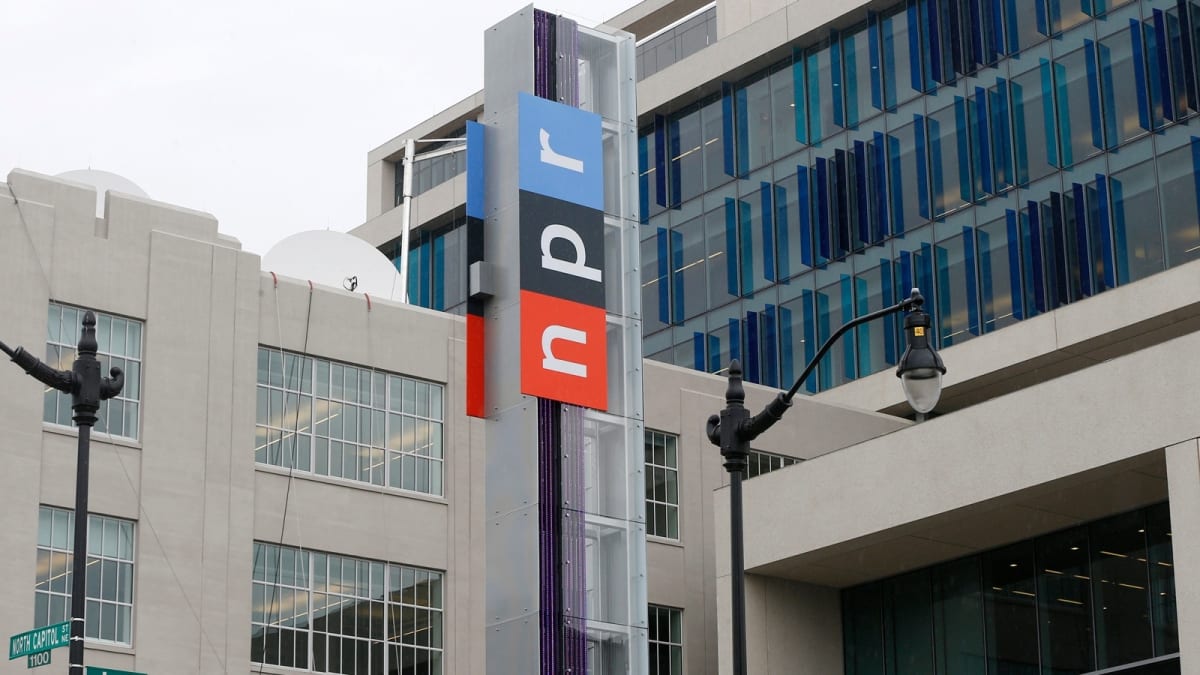
A federal judge just delivered a major win for press freedom by blocking President Trump's executive order to defund NPR and PBS. US District Judge Randolph Moss ruled the order unconstitutional, calling it "viewpoint discrimination" that punishes media outlets for coverage the White House doesn't like.
Judge Moss didn't mince words in his decision. He wrote that the First Amendment "does not tolerate viewpoint discrimination and retaliation of this type," noting that Trump's order simply directed all federal agencies to "cut off any and all funding" to the broadcasters.
The ruling came after NPR sued the Corporation for Public Broadcasting, claiming the funding cuts violated their free speech rights. Trump had previously stated at a news conference that he would "love to" defund NPR and PBS because he believes they favor Democrats.
Katherine Maher, NPR's president and CEO, celebrated the decision as "a decisive affirmation of the rights of a free and independent press." PBS chief Paula Kerger called the executive order "textbook unconstitutional viewpoint discrimination."
The judge acknowledged that significant damage has already occurred. Trump's order had already cut millions from the Education Department to PBS, forcing layoffs of one-third of PBS Kids staff. Congress separately voted to eliminate federal appropriations entirely, shuttering the Corporation for Public Broadcasting.
Why This Inspires
This ruling draws a bright line protecting journalists from government retaliation. While Congress still controls appropriations, the court made clear that presidents cannot use executive power to punish media outlets for their reporting. That's a fundamental protection that benefits all Americans, regardless of political views.
Theodore Boutrous, the plaintiffs' attorney, emphasized the broader implications. The ruling recognizes that government cannot use "the power of the purse" to "punish or suppress disfavored expression," he said.
The case will likely be appealed, and the full impact remains uncertain given congressional actions. But the core principle now stands: the government cannot selectively defund organizations simply because officials dislike their message.
Based on reporting by Indian Express
This story was written by BrightWire based on verified news reports.
Spread the positivity!
Share this good news with someone who needs it