JWST Maps Dark Matter in Unprecedented Detail
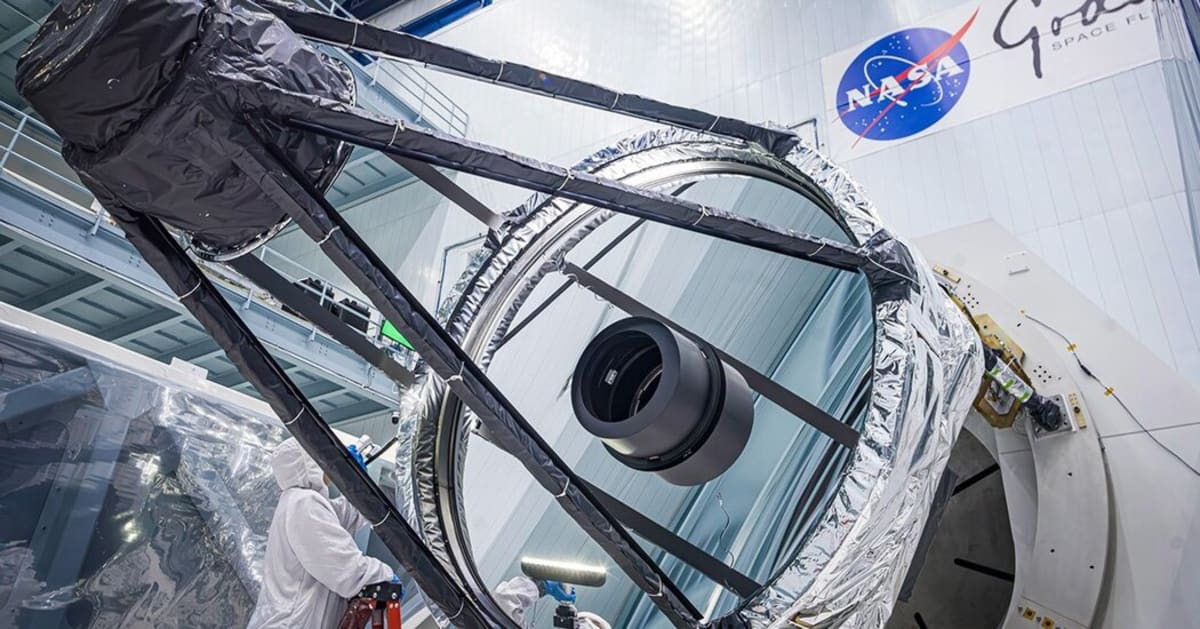
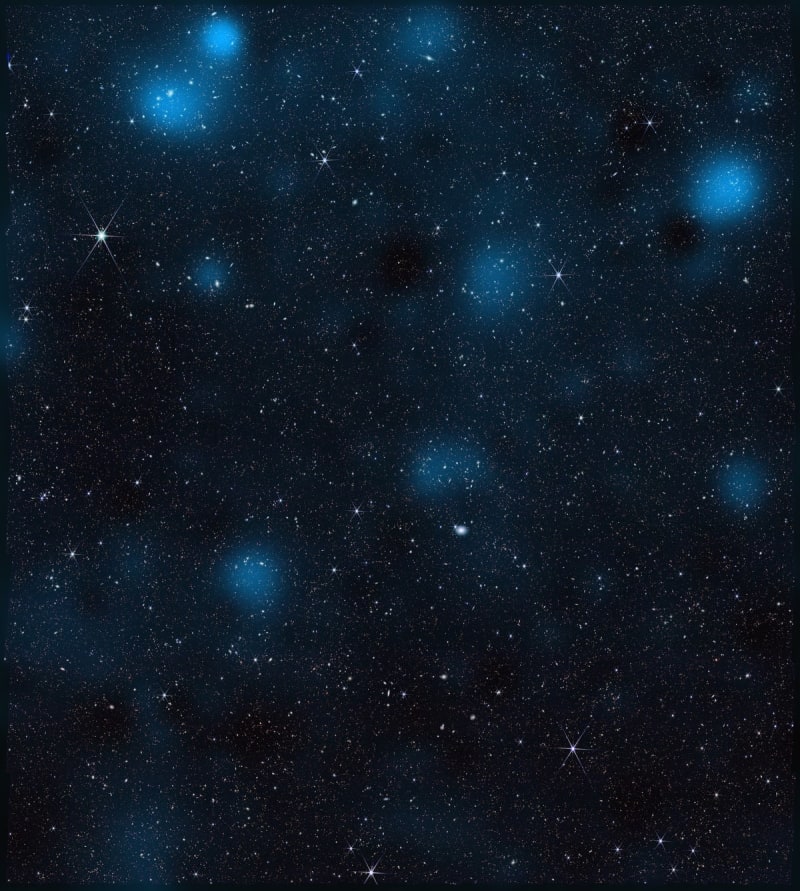
Scientists just unveiled the most detailed map of dark matter ever created, revealing the invisible scaffolding that holds our universe together. Using the James Webb Space Telescope, they can now see structures too small for previous telescopes to detect.
Scientists have mapped the invisible glue holding our universe together, and the view is breathtaking.
Astronomers using the James Webb Space Telescope created the most detailed dark matter map ever made, revealing cosmic structures that were impossible to see before. The map covers a small patch of sky but captures nearly 800,000 galaxies and the hidden dark matter surrounding them.
Dark matter is the universe's ultimate mystery. It outweighs all visible matter by five times and acts like scaffolding for galaxies, yet no one has directly detected it or knows what it's made of.
The team found it by studying something called weak gravitational lensing. When light travels from distant galaxies to our telescopes, it passes through clumps of dark matter along the way. Each clump slightly bends the light's path, like looking through someone else's glasses, creating tiny distortions in images.
"We can see the influence of gravity on galaxy formation," says Diana Scognamiglio, who co-led the study at NASA's Jet Propulsion Laboratory. "It's a way to trace, really, the backbone of the universe."
Twenty years ago, astronomers thought measuring these tiny distortions was impossible. Catherine Heymans, Scotland's astronomer royal, helped prove them wrong by creating the first dark matter map of this sky region using the Hubble Space Telescope.
Now JWST's superior technology has supercharged that work. The new map is four times smaller in area than the original but far more detailed, pinpointing dark matter blobs too small for Hubble to discern.
The telescope's powerful optics can also see further back in time, capturing dark matter from 10 to 11 billion years ago during "cosmic noon" when the universe was forming stars and galaxies at peak rates. These glimpses into the past will help scientists understand how dark matter shaped the universe we see today.
The team plans to make the map three-dimensional by calculating the distances of different structures. This will create an even richer picture of how dark matter has evolved over billions of years.
Why This Inspires
Two decades ago, mapping dark matter seemed impossible. Today, scientists can trace invisible structures from billions of years ago and watch the universe's hidden architecture come into focus.
Heymans remembers only having computer simulations of dark matter to study. "What I love about weak lensing is: it allows us to see the invisible," she says.
More powerful telescopes launching soon will expand these maps across huge swaths of sky. The European Space Agency's Euclid telescope is already in orbit, and NASA's Nancy Grace Roman Space Telescope launches this year.
Scognamiglio hopes her students will create even better maps in 20 years, continuing this remarkable journey from the impossible to the extraordinary.
More Images



Based on reporting by Scientific American
This story was written by BrightWire based on verified news reports.
Spread the positivity!
Share this good news with someone who needs it