
Kaduna Maps 187,719 Out-of-School Kids to Get Them Learning
For the first time, Kaduna State knows exactly where every out-of-school child lives, thanks to a groundbreaking mapping project that surveyed over 360,000 households. Armed with precise data on age, gender, and disability status, aid groups and government partners are turning 100,000 children's lives around.
Kaduna State just achieved something remarkable: it now knows the exact location of 187,719 children who should be in school but aren't.
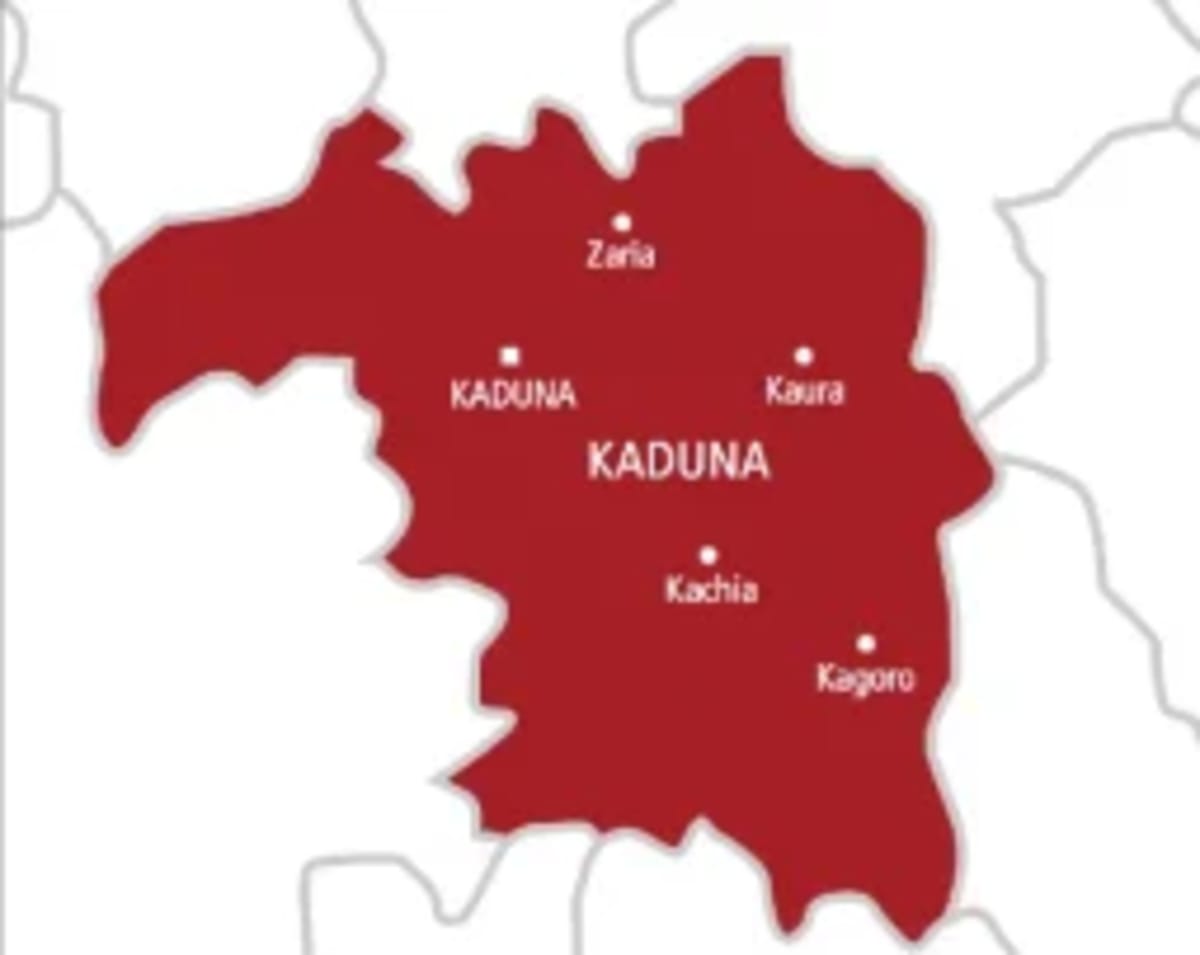
Save the Children International and UNICEF announced the results of an unprecedented household mapping exercise on Friday that surveyed 360,319 homes across all 23 local government areas. The project identified not just where out-of-school children live, but their ages, genders, and whether they have disabilities.
"This is a landmark occasion because, for the first time, Kaduna State now knows exactly where its out-of-school children are," said Duncan Harvey, Country Director of Save the Children International in Nigeria. The data reveals that 60 percent of these children have never enrolled in school, while 40 percent dropped out after starting.
The findings are already driving real change. Through the Reaching Out-of-School Children (ROOSC) project, more than 100,000 children have already returned to classrooms.
The project has enrolled 7,481 learners in accelerated education programs and transitioned 13,703 young children into formal schools from catch-up clubs. Another 3,312 students joined integrated Qur'anic and Tsangaya education centers, while 53,013 children received learning kits and assistive devices.
The mapping identified poverty as the biggest barrier keeping children out of classrooms. Many children work in farming or selling goods to help support their families, while teacher shortages, inadequate facilities, insecurity, and disability-related challenges also play major roles.
The Ripple Effect
This isn't just transforming Kaduna. The digitized data collection system provides a model other Nigerian states are eager to replicate, allowing governments to plan budgets more effectively and target help where it's needed most.
Dr. Gerida Birukila, UNICEF Chief of Field Office, emphasized that the data eliminates excuses. "We now have the data required to act," she said, pledging UNICEF's continued partnership to ensure every child, especially those with disabilities, gets quality education.
The project is now using the mapping results to redesign interventions for the second half of implementation. Project Coordinator Ezra Angai explained that knowing exactly where children are and why they're out of school helps teams ensure kids don't just return to classrooms but stay there and learn effectively.
With precise coordinates down to specific wards and households, Kaduna is turning data into action and giving nearly 200,000 children a real shot at education.
More Images



Based on reporting by Punch Nigeria
This story was written by BrightWire based on verified news reports.
Spread the positivity!
Share this good news with someone who needs it