Kaduna Pays $2.85M to Families Displaced by Road Projects
A Nigerian governor just proved development doesn't have to come at people's expense. Kaduna State paused construction to fairly compensate 724 households before continuing major infrastructure work.
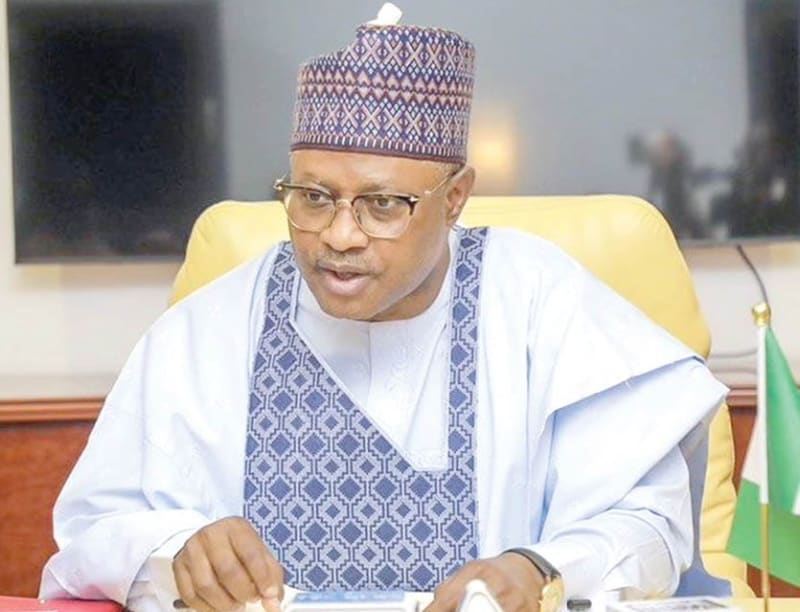
Governor Uba Sani stood before 189 families in Rigasa and handed them checks to rebuild their lives after his government's road projects required demolishing their homes. It's a rare moment of compassion meeting concrete policy in Nigeria's often contentious development landscape.
The Kaduna State leader made an unprecedented pledge in February 2026: his administration will never demolish a structure or displace citizens without fair compensation. More remarkably, he promised not to hide behind the legal doctrine of "overriding public interest" that governments typically use to bypass property rights.
This wasn't just talk. When construction crews broke ground on four major township roads in September 2025, workers quickly realized homes and businesses sat directly in the project's path. Instead of bulldozing through, Governor Sani did something unexpected: he slowed everything down.
"We will not cloak expediency in the language of overriding public interest," he declared at the compensation ceremony. "Public interest must never eclipse private rights without restitution."
The numbers tell a powerful story. The state has distributed 2.85 billion naira (roughly $2.85 million) to 724 households across multiple projects. That includes 120 families along the Rabah Road project, 282 households between Magajiya and Albarkawa in Zaria, and dozens more across different construction zones.
Governor Sani framed the payments not as charity but as justice. The compensation gives displaced families resources to relocate, rebuild, or reorganize their lives with dignity intact. Construction crews have already completed drainage systems and hydraulic structures on the roads, with earthworks advancing steadily after the temporary slowdown.
The Ripple Effect
This policy sets a precedent that could transform how development happens across Nigeria and beyond. When governments prioritize fairness alongside progress, they send a message that infrastructure shouldn't be built on the backs of vulnerable citizens.
The approach also speeds long-term success. Projects built through community displacement often face years of legal battles, protests, and resentment. By investing upfront in fair compensation, Kaduna may actually finish its roads faster while maintaining public trust.
Other Nigerian states are watching closely. If this model proves sustainable, it could reshape development practices across a nation where infrastructure needs are massive but citizen displacement has too often been handled callously.
Governor Sani has been in office since May 2023, guided by a principle he shared at the ceremony: "Roads, bridges, and public works may define the physical landscape of a state, but it is fairness and empathy that define its moral landscape."
The 189 families who received checks in Rigasa can now rebuild knowing their government chose justice over convenience.
Based on reporting by Vanguard Nigeria
This story was written by BrightWire based on verified news reports.
Spread the positivity!
Share this good news with someone who needs it