Nigeria Launches Portal to Stop Phone Number Identity Fraud
Nigeria's telecom regulator created a new system to protect people from fraud when phone numbers get reassigned. The portal will help prevent identity theft tied to recycled SIM cards across banking, social media, and government services.
Imagine getting arrested because someone else's crime was linked to your new phone number. That nightmare scenario is exactly what Nigeria's telecom regulator is working to prevent.
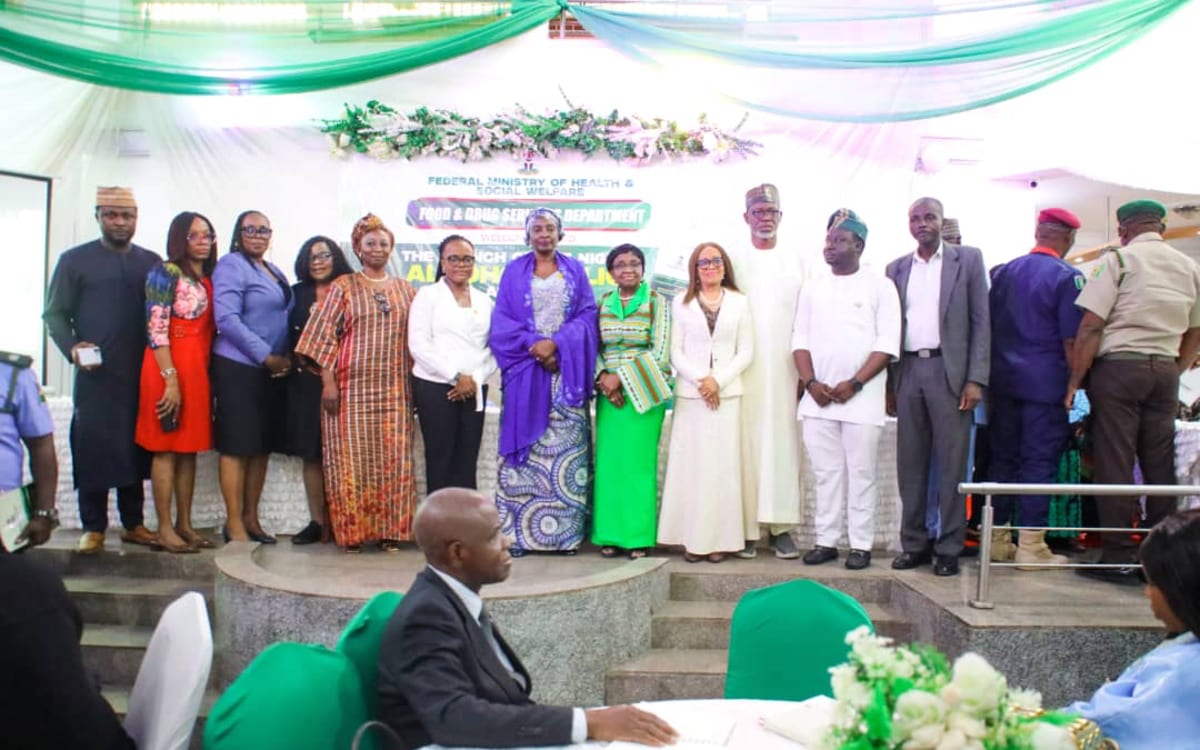
The Nigerian Communications Commission launched the Telecom Identity Risk Management System portal in March 2024. After a public consultation period ending in March 2026, the system will track recycled phone numbers and share that data with banks, security agencies, and government institutions.
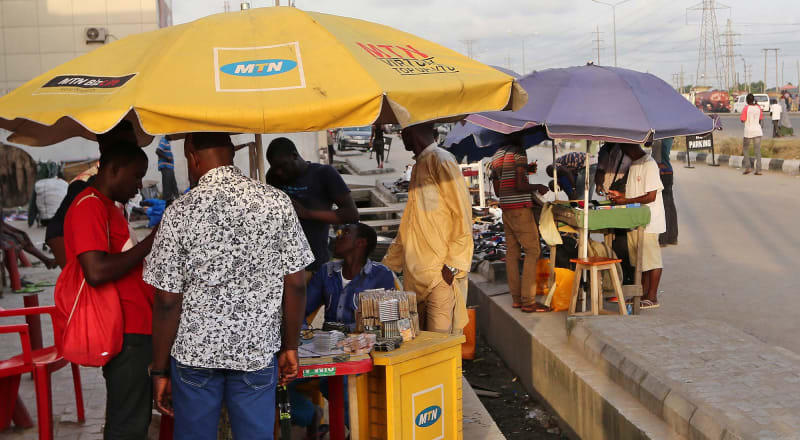
The problem is more serious than it sounds. In Nigeria, like many countries, phone numbers have become digital identities. They're tied to bank accounts, pensions, social media, and national ID systems.
When telecom companies reassign inactive numbers after 360 days, new owners sometimes inherit the previous owner's digital footprint. People have received text messages meant for strangers, been investigated for crimes they didn't commit, and struggled to access services because their "new" number was still linked to someone else's accounts.
One person was detained for 10 weeks in 2020 simply because his purchased SIM card previously belonged to former president Muhammadu Buhari's daughter. Cases like these revealed how deeply phone numbers are woven into modern identity systems.
The new portal will be accessible to the Central Bank of Nigeria, securities regulators, pension authorities, the National Identity Management Commission, and security agencies. By sharing information about which numbers have been recycled, these institutions can update their records and prevent dangerous mix-ups.
The commission is also introducing better consumer protections. Under the updated rules, people will receive notifications through alternative contact channels before their numbers get reassigned. They'll have time to reactivate their line or use a "line parking" option to keep their number for up to a year at minimal cost.
The reforms address a challenge created by progress itself. As digital services expand across Africa's largest economy, phone numbers have become more valuable and more vulnerable. The commission recognized that varying identity verification requirements across banking, telecom, and government sectors needed harmonization.
The Ripple Effect: This system could serve as a model for other African nations grappling with similar digital identity challenges. As mobile banking and digital services grow across the continent, protecting the integrity of phone-based identity systems becomes critical for financial inclusion and security. Nigeria's approach shows how regulators can adapt to the reality that a phone number is no longer just a way to make calls but a gateway to nearly every digital service people use.
When the portal goes live, millions of Nigerians will gain an extra layer of protection in their increasingly digital lives.
Based on reporting by TechCabal
This story was written by BrightWire based on verified news reports.
Spread the positivity!
Share this good news with someone who needs it