Kafka, Nancy Drew, Einstein Papers Enter Public Domain
On January 1st, works from 1930 became free to use, bringing classics by Franz Kafka, Langston Hughes, and four Nancy Drew mysteries into the public domain. Anyone can now freely read, reprint, remix, or build upon these cultural treasures without permission or payment.
Your favorite sleuths, poets, and jazz legends just became everyone's to share.
Every January 1st doubles as Public Domain Day, when a year's worth of books, music, films, and art becomes free for anyone to use. This year, everything published in 1930 crossed that finish line, opening up a treasure chest of cultural classics.
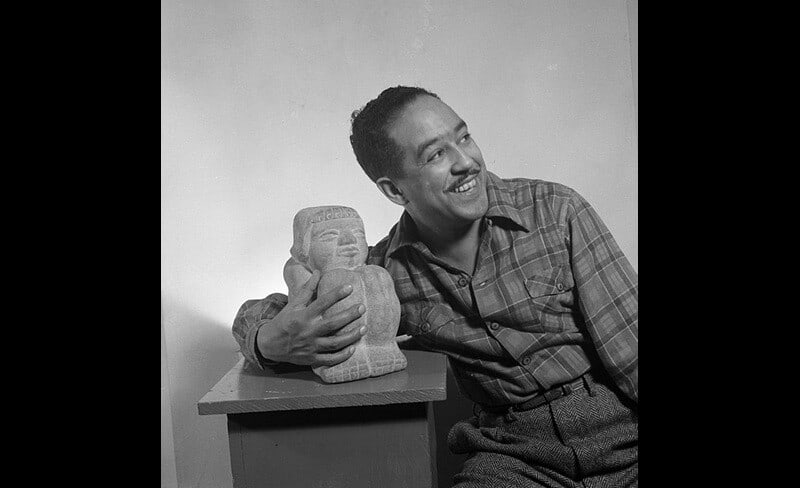
The literary haul is impressive. Franz Kafka's haunting works, Langston Hughes's "Not Without Laughter," and Agatha Christie mysteries joined the public domain alongside four Nancy Drew adventures. Readers can now download them free from sites like Standard eBooks, and publishers can print new editions without paying royalties.
The 1930 works aren't alone. Under US copyright law, anything created by someone who died in 1955 also became free to use. That means Albert Einstein's scientific papers, the film "All Quiet on the Western Front," Charlie Parker's revolutionary jazz recordings, and photographer Walker Evans's iconic images all entered the public domain on the same day.
This freedom wasn't always guaranteed. For decades, corporations lobbied to extend copyright protection, stretching what was once a 28-year term to a staggering 95 years. The goal was to stifle competition and lock up creative works for generations.
The Ripple Effect
The return of regular Public Domain Days in 2019 marked a turning point. After nearly a century of extensions, the floodgates finally reopened, letting art and knowledge flow freely again.
America's Founders actually wanted loose copyright restrictions because they believed it would accelerate innovation in science and the arts. They understood that creativity builds on what came before, and that locking up ideas too tightly suffocates progress.
Now teachers can create lesson plans around these works, filmmakers can adapt them without legal fear, and musicians can sample Charlie Parker's genius freely. A high school drama club could stage an Agatha Christie play without paying licensing fees, or a aspiring author could write a Nancy Drew sequel set in space.
The life-plus-70-years rule means countries from Russia to the UK celebrate similar releases, making culture accessible worldwide. What was once locked behind paywalls and legal restrictions now belongs to everyone.
This year's Public Domain Day proves that great art eventually belongs to all of us.
More Images


Based on reporting by Good News Network
This story was written by BrightWire based on verified news reports.
Spread the positivity!
Share this good news with someone who needs it