Kannur Coastal Villages Restore 100,000 Mangrove Saplings
A coastal community in Kerala is bringing back the forests that protect their homes from storms and feed their families. The Kannur Kandal Project has reached 85,000 people and planted thousands of mangrove trees along India's Malabar Coast.
The mangrove forests along Kannur's coastline do more than look beautiful. They shield homes from cyclones, provide medicine and firewood for families, and shelter 87 fish species that local fishermen depend on for their livelihoods.
But real estate development and coconut plantations were swallowing these vital forests. Kannur's mangroves make up nearly half of Kerala's total mangrove cover, and they were disappearing fast.
In 2006, the Wildlife Trust of India launched the Kannur Kandal Project with a simple strategy. They started buying the land where mangroves grew, ensuring developers couldn't touch them.
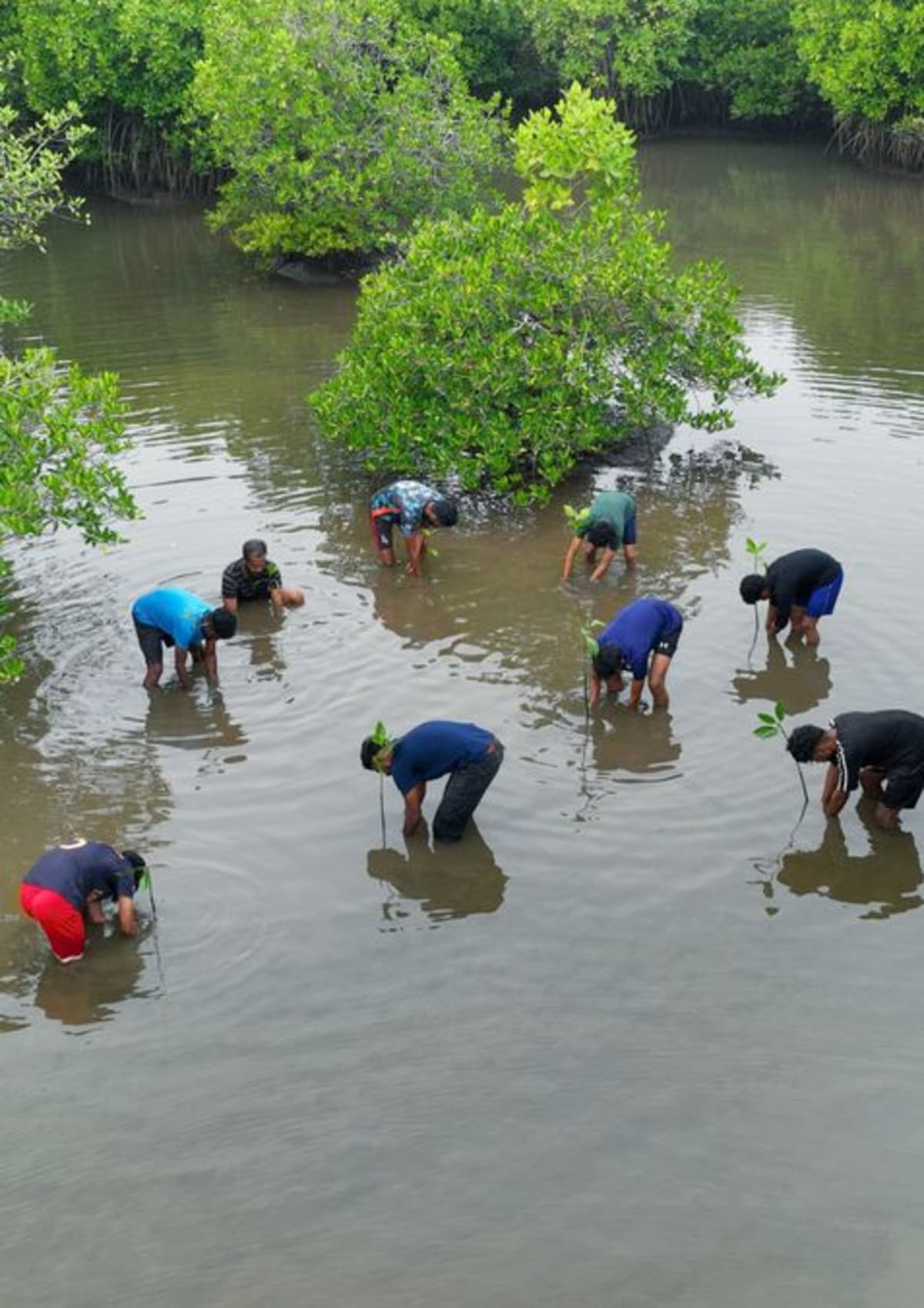
Then they invited the community to join the fight. Over 400 awareness programs brought more than 85,000 local residents to the Mangrove Interpretation Center, where they learned why these trees matter so deeply to their survival.
People who once saw mangroves as obstacles now see them as lifelines. Residents take immersive field trips to privately owned mangrove plots, learning how these 15 species of trees (including the rare Rhizophora apiculata) support everything from the fish they catch to the birds overhead.
The project built a central nursery capable of growing 100,000 mangrove saplings. Five smaller satellite nurseries now dot the coastline, each holding 5,000 saplings ready for planting near restoration sites.
The Ripple Effect
The impact reaches far beyond tree counts. These restored mangroves create natural barriers against tsunamis and storms, protecting thousands of coastal families. The forests host 83 bird species and 13 mammal species, rebuilding biodiversity that had been lost.
Local communities that once cleared mangroves for development now nurture them in backyard nurseries. Children who visit the interpretation center become ambassadors, teaching their families why these forests deserve protection.
Fishermen report seeing more fish return to the restored areas. Women gather traditional medicines from healthy mangrove stands again, just as their grandmothers did.
A community that was losing its natural shield has become its fiercest protector.
Based on reporting by The Better India
This story was written by BrightWire based on verified news reports.
Spread the positivity!
Share this good news with someone who needs it