Kano's $14B Dam Powers New Model for Nigeria's Energy Future
A hydropower project in northern Nigeria is showing other states how to break free from energy dependence by mastering the unglamorous work that happens after the ribbon-cutting ceremony. The Tiga Dam's journey from dormant federal asset to functioning power plant offers a blueprint for lasting change.
Building a power plant is the easy part. Keeping the lights on for decades requires something far harder.
In Kano State, Nigeria, the 10MW Tiga Dam hydropower project is proving that real energy independence doesn't come from grand unveilings. It comes from patient negotiations between government agencies, smart financing that attracts international partners, and honest planning for the expensive reality of long-term maintenance.
The dam itself has existed for years, originally managed by federal water authorities. But when Kano State decided in 2011 to turn it into a power source, they faced a jurisdictional puzzle that has killed many similar projects across Nigeria.
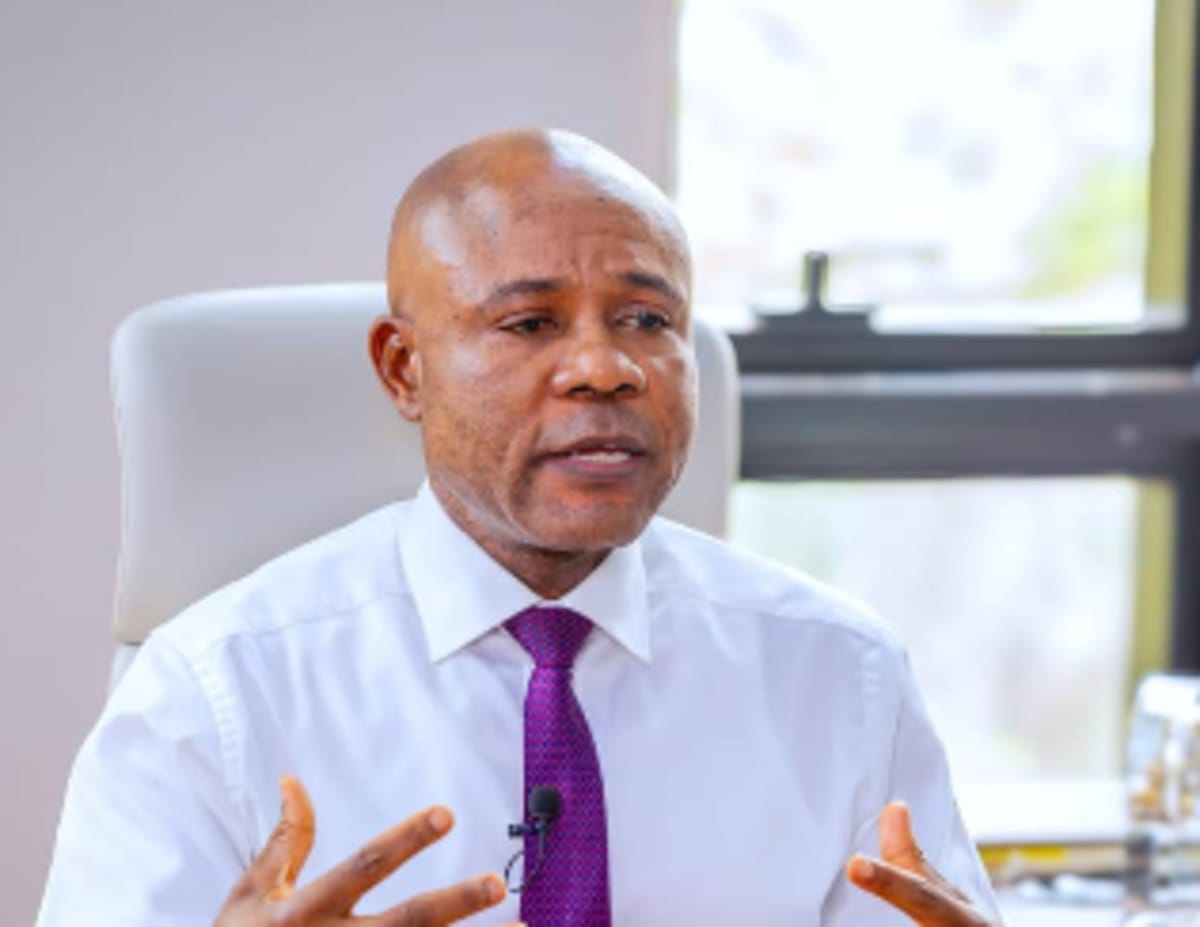
Instead of fighting over ownership, Kano's Power Commissioner Dr. Ghaddafi Sani Shehu brokered a collaborative agreement. The state secured rights to use the federal dam by aligning their power goals with existing federal water and irrigation needs. That handshake unlocked everything that followed.
Kano invested 14 billion naira of its own money into the project. That financial commitment sent a clear signal: this wasn't another half-hearted government promise. The state had real skin in the game.
That credibility is now paying dividends. International organizations like UNIDO and the UK PACT Clean Energy Transition Programme are partnering with Kano on two new dam projects, Challawa Gorge and Garri Dam. The success at Tiga opened doors that money alone couldn't unlock.
But here's where the story gets really instructive. When Tiga was completed in 2019, technical problems during testing required international experts and specialized software upgrades. The bill: $300,000, unbudgeted and unexpected.
For most state governments, that's where the dream dies. A finished power plant sits idle because no one planned for the unsexy costs of actually operating complex machinery for decades.
The Ripple Effect
Kano's approach is already influencing how other Nigerian states think about energy projects. The Electricity Act 2023 opened new doors for state-level power generation, but Tiga shows what it actually takes to walk through them.
Three other states have reached out to learn from Kano's experience, particularly around maintenance planning and private sector handoffs. The model proves that sustainable infrastructure requires thinking beyond construction to the institutional frameworks that keep systems running.
Nigeria's chronic power shortages affect everything from hospitals to small businesses. When one state figures out how to generate reliable electricity, the lessons spread fast.
Dr. Shehu presented the Tiga case study at a recent webinar, sharing both successes and stumbles with unusual candor. That transparency itself represents progress in a sector where failed projects often disappear into silence.
The real test comes next: transitioning Tiga from state operation to private sector management while maintaining the collaborative spirit that made it work in the first place. If Kano succeeds, they'll have created not just a power plant but a replicable template for energy sovereignty across Nigeria's 36 states.
More Images


Based on reporting by Premium Times Nigeria
This story was written by BrightWire based on verified news reports.
Spread the positivity!
Share this good news with someone who needs it