Kanpur Friends Turn Temple Flowers Into Fashion Dyes
Two 25-year-old women in Kanpur are collecting discarded temple flowers and kitchen waste to create natural dyes for clothing, while giving rural women meaningful work. Six temples now save their floral offerings for SewMuchBetter studio instead of throwing them away.
Every week, Ritu Devi walks into a small studio in Kanpur and sits down with colorful fabrics that started their journey as temple flowers. The 300 kilograms of discarded blooms that once littered temple grounds now give her eight hours of dignified work each day, income for her three children, and something she says feels like family.
This unexpected transformation began with two friends questioning their shopping habits. Akriti and Bhavya, both now 25, kept noticing the labels on their Zara and H&M clothes, wondering about the people who made them and the conditions they worked in.
Those uncomfortable questions eventually pulled them in different directions to learn more. Bhavya moved to the UK in 2023 to study textile sustainability, while Akriti pursued an MBA focused on environmental impact. But daily calls across time zones kept their shared vision alive.
They wanted to create fashion that mattered, clothes people would cherish instead of toss after one season. More importantly, they wanted to build something that included the women in their own community, the ones who had been creatively reusing and repairing fabrics for generations out of necessity.
When Bhavya returned to Kanpur in late 2024, they launched SewMuchBetter. The business model was simple but revolutionary: collect what others throw away and turn it into something beautiful.
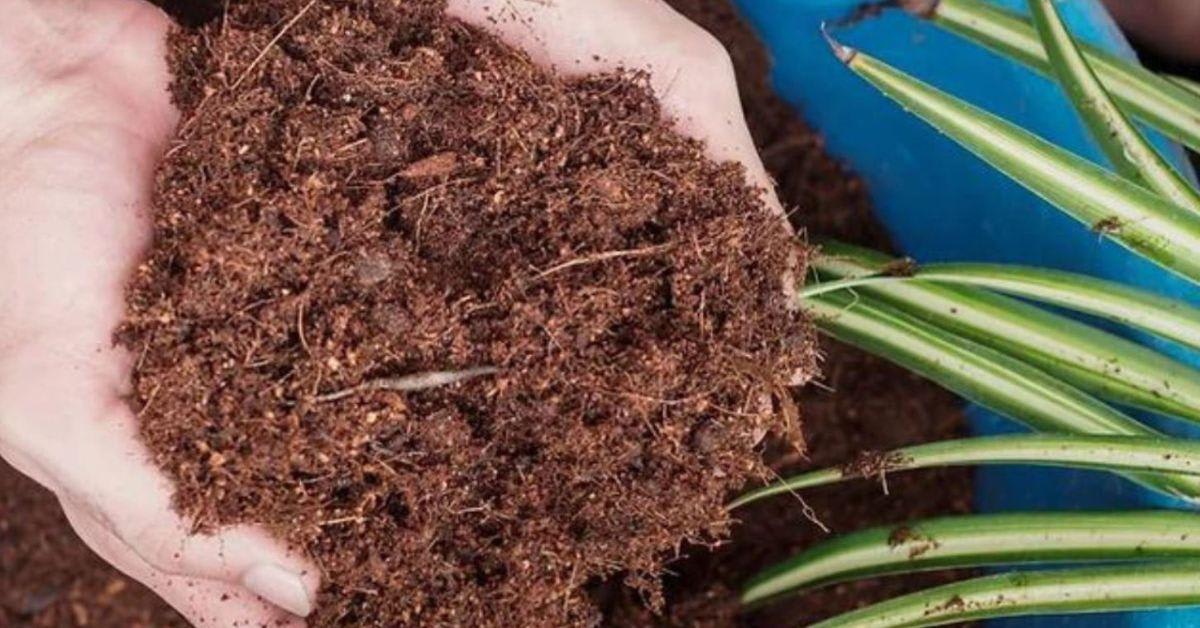
Six temples in Kanpur now set aside their used flowers instead of discarding them. After devotional gatherings and daily prayers, marigolds, roses, and hibiscus go to the studio instead of the trash. Kitchen scraps like onion skins and vegetable peels join them.
The studio team extracts natural dyes from these materials, then uses them to color fabrics. Women from nearby villages, many with limited work opportunities, learn finishing techniques and earn steady income.
Ritu came from Ramaipur village in March 2025, one of the first employees. In rural Uttar Pradesh, where work options for women remain scarce, opportunities connected to fashion felt impossibly distant just a few years ago.
The Ripple Effect
What started as two friends rethinking their wardrobes has become a growing circle of change. The temples reduce their waste, the environment avoids synthetic chemical dyes, and women like Ritu gain economic independence while learning new skills.
The clothes themselves carry stories now, something Akriti and Bhavya hoped for from the beginning. Each piece connects the person wearing it to temple ceremonies, to kitchen creativity, and to women building new futures in small-town India.
SewMuchBetter proves sustainability doesn't require fancy technology or massive investment, just attention to what's already around us and who could benefit from seeing it differently.
More Images
%2Fenglish-betterindia%2Fmedia%2Fmedia_files%2F2026%2F05%2F12%2Fsew-much-better-2026-05-12-18-53-57.png)

%2Ffilters%3Aformat(webp)%2Fenglish-betterindia%2Fmedia%2Fmedia_files%2F2026%2F05%2F12%2Fsew-much-better-3-2026-05-12-19-15-35.png)
Based on reporting by The Better India
This story was written by BrightWire based on verified news reports.
Spread the positivity!
Share this good news with someone who needs it