Karnataka Lifts 37-Year Ban on College Elections
After nearly four decades, students in Karnataka can finally elect their own college representatives again. The state government ended a ban dating back to 1989, giving young people a voice in campus decisions while keeping political parties out of student elections. #
For the first time since 1989, college students in Karnataka will get to choose their own leaders through democratic elections on campus.
The Karnataka Cabinet approved recommendations to lift a 37-year ban on student union elections, giving thousands of young people across the state a chance to participate in campus democracy. The government originally banned these elections after violent clashes broke out on college campuses in the late 1980s.
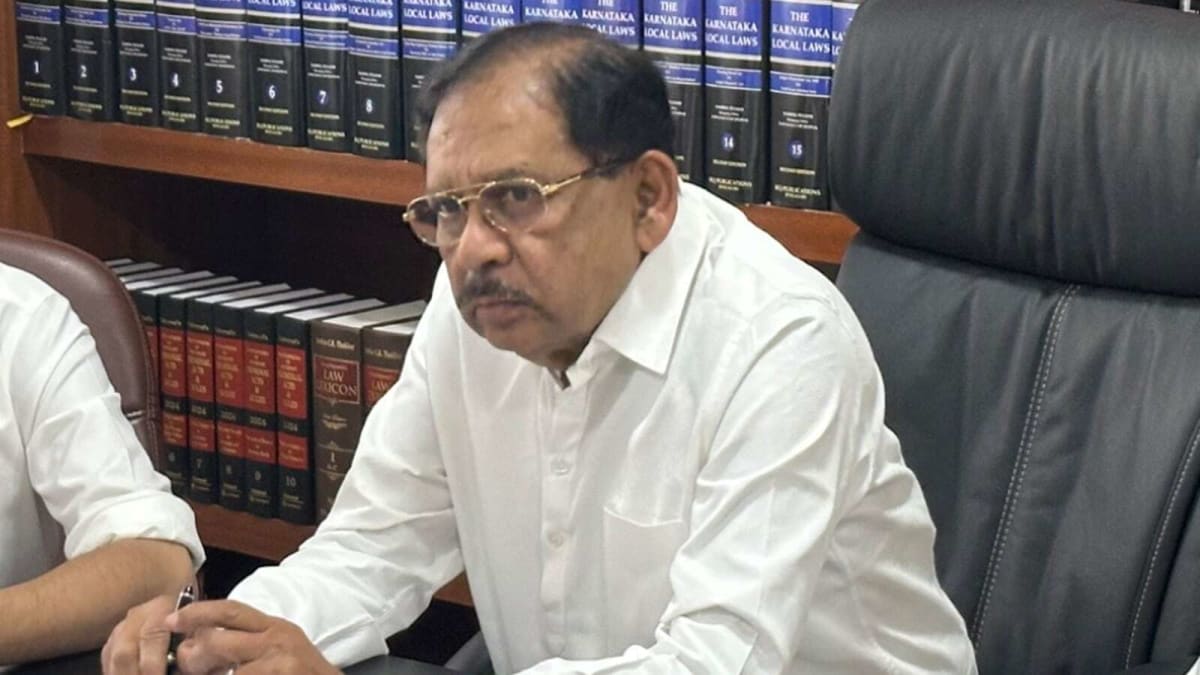
Deputy Chief Minister G Parameshwara announced the new structure for student unions. Each college will have one president, two vice presidents, one general secretary, two joint secretaries, and a six-member executive committee. Women will hold guaranteed positions including one vice president, one joint secretary, and two executive committee seats.
The elections come with important safeguards to prevent the problems that led to the original ban. Students affiliated with political parties can run for office, but they cannot campaign under political banners or represent political student organizations. The goal is to keep campus elections focused on student issues rather than partisan politics.
Colleges will only hold elections if students actually want them. College management must check whether students favor having elections, and schools can skip them if students prefer not to vote. This opt-in approach gives campuses flexibility while respecting student choice.
The government decided not to include caste-based reservations in student unions, though gender representation will be mandatory. The proposal first appeared in this year's budget speech, and a special Cabinet committee spent months working out the details.
Why This Inspires
This decision affects students across all degree colleges and pre-university colleges in Karnataka in the first phase. For an entire generation of students, this will be their first chance to experience democratic participation on their own campuses.
Student unions traditionally serve as training grounds for civic engagement and leadership. They give young people real experience in organizing, debating, and representing their peers on issues that matter to campus life.
The 37-year gap means that today's college administrators, professors, and parents never experienced student elections themselves. Now their children and students will have opportunities they missed.
By allowing elections while blocking political party involvement, Karnataka is attempting something ambitious: restoring student democracy without the violence that ended it decades ago.
Thousands of Karnataka students will soon cast their first votes for campus representatives, learning skills in democratic participation that will serve them throughout their lives.
#
Based on reporting by Indian Express
This story was written by BrightWire based on verified news reports.
Spread the positivity!
Share this good news with someone who needs it