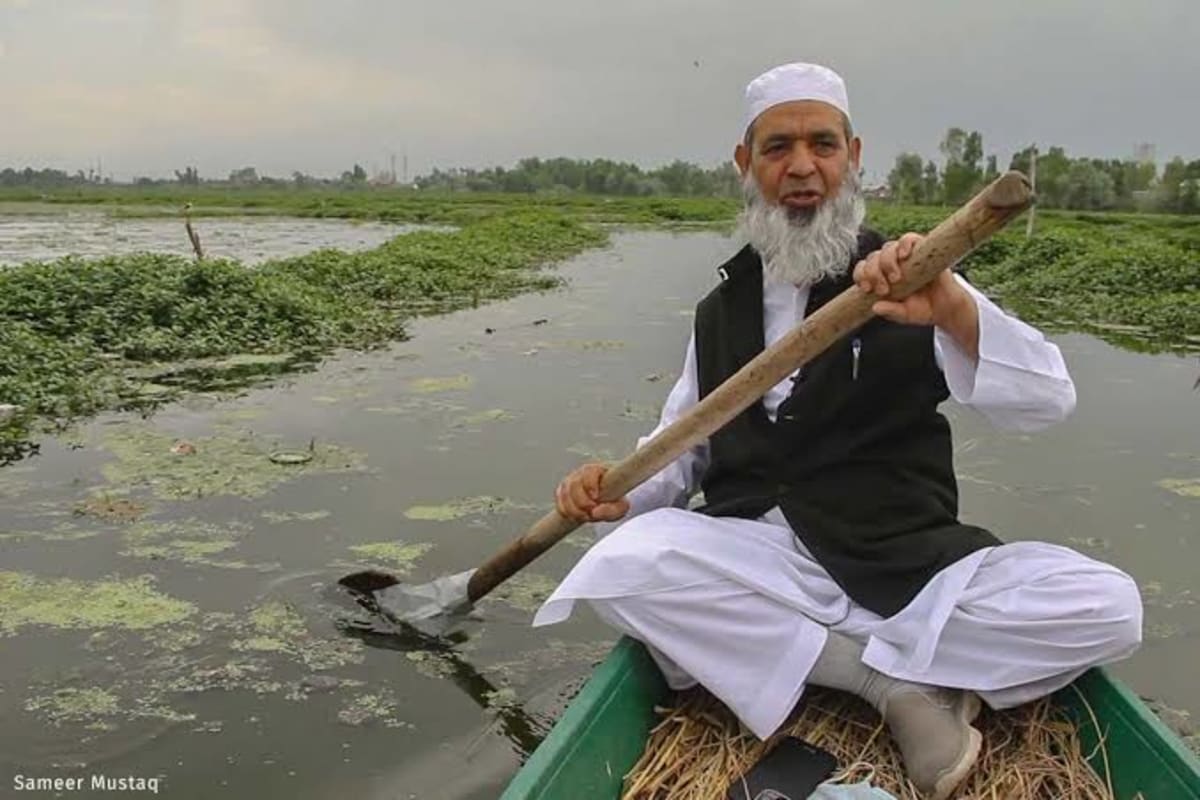
Kashmir Conservationist Brings Half-Drowned Lakes Back to Life
A businessman-turned-conservationist has spent 20 years reviving Kashmir's dying lakes, proving that community action can reverse decades of environmental damage. His approach transformed polluted wetlands into thriving ecosystems.
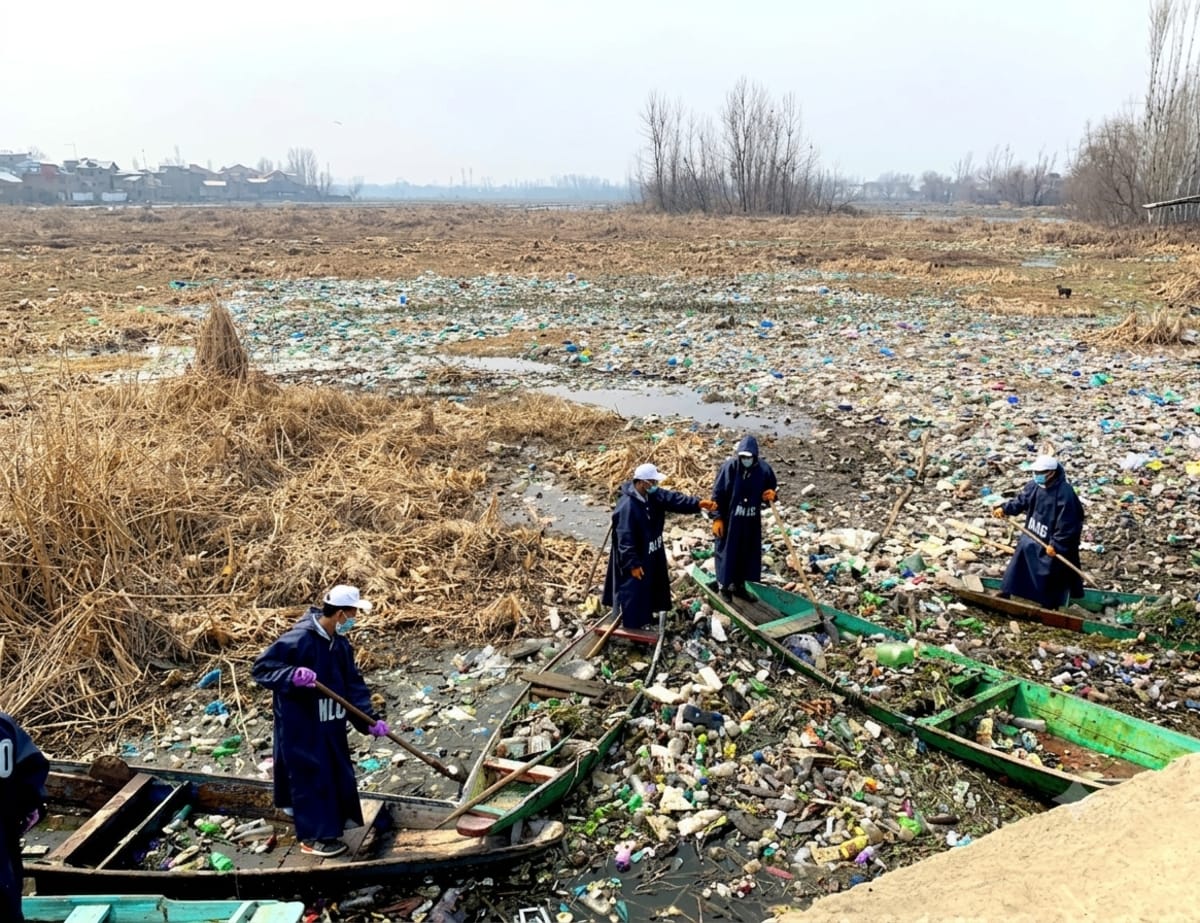
When Manzoor Ahmad Wangnoo returned to Kashmir's Nigeen Lake in the early 2000s, he found dead animals floating among plastic bags where he once dove for coins as a child. Today, he challenges anyone to find a single piece of plastic in those same waters.
Wangnoo's journey from businessman to conservationist began with shock and a simple choice. Instead of accepting the decay, he rallied neighbors and friends to restore Nigeen Lake one cleanup at a time, creating what would become the Nigeen Lake Conservation Organisation.
The transformation came just in time. Nearly half of Kashmir's 697 lakes recorded in the 1960s have vanished completely, while 203 others have shrunk from pollution, illegal land grabs and rapid urban growth. These wetlands once fed the region's agriculture, tourism and water supply, supporting everything from migratory birds to local livelihoods.
Wangnoo calls his approach "Mission Ehsaas," using an Urdu word meaning "awareness" or "realization." He believes conservation starts when people reconnect with nature, not just when governments issue regulations.
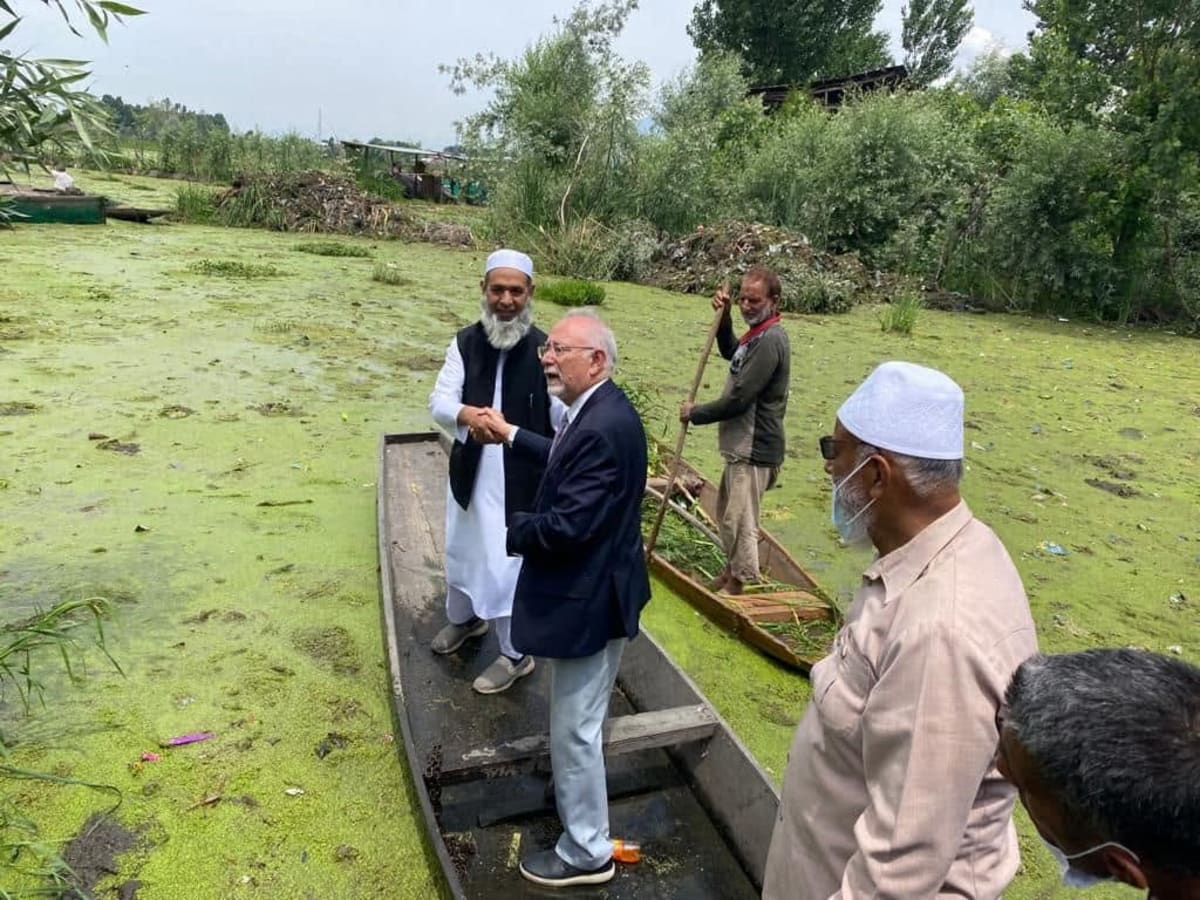
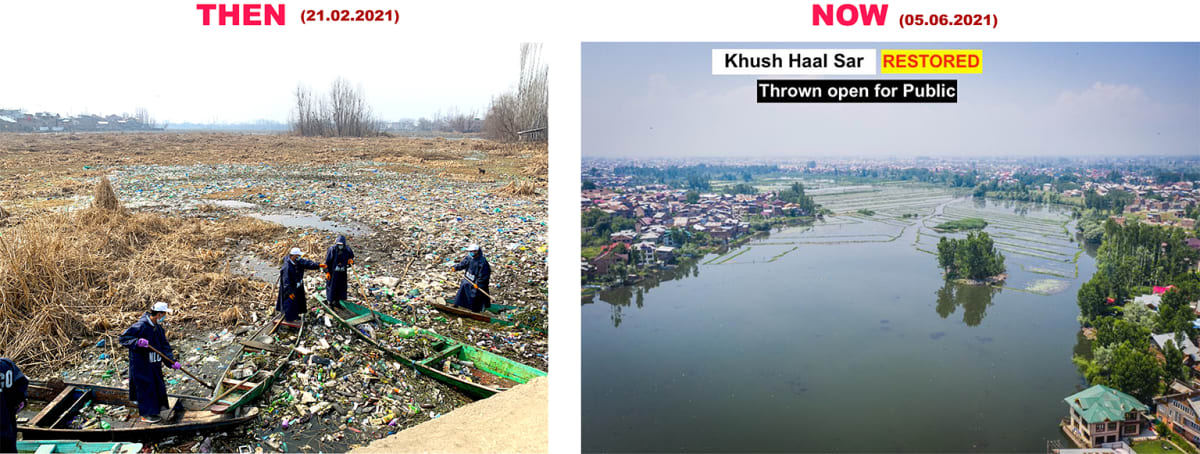
The proof lives in places like Khushalsar and Gilsar, two urban lakes in Srinagar's heart that residents once treated like garbage dumps. Through partnerships between communities, volunteers and government agencies, these degraded wetlands now thrive again, their waters clear enough to support wildlife.
The Ripple Effect
The transformation extends beyond cleaner water. Tourism operators who depend on Kashmir's natural beauty now have restored landscapes to showcase, while farmers benefit from healthier watersheds that support their crops.
Local attitudes have shifted too. People who once dumped waste into lakes now see themselves as stewards protecting shared resources. Children growing up around restored wetlands learn that environmental damage can be reversed when communities take ownership.
Wangnoo's team proves that even heavily polluted urban lakes can recover. Their success offers a roadmap for the 518 Kashmir lakes still struggling with encroachment and contamination.
The conservationist remains optimistic despite ongoing threats. He wants visitors to experience Kashmir's beauty while locals continue rebuilding the paradise their grandparents knew. "If our environment is healthy, tourism, horticulture and agriculture will flourish," Wangnoo says.
Two decades of restoration work have returned Kashmir one step closer to the place where people could dive into crystal-clear waters and retrieve coins from the bottom.
More Images

Based on reporting by Mongabay
This story was written by BrightWire based on verified news reports.
Spread the positivity!
Share this good news with someone who needs it

