Kashmir Women Revive Wetland, 100,000 Birds Return
A 15-member all-women birding network in Kashmir has transformed dying wetlands through weekend cleanups and school visits, bringing back nearly 100,000 migratory birds. The group proves that grassroots conservation led by young women can create real environmental change.
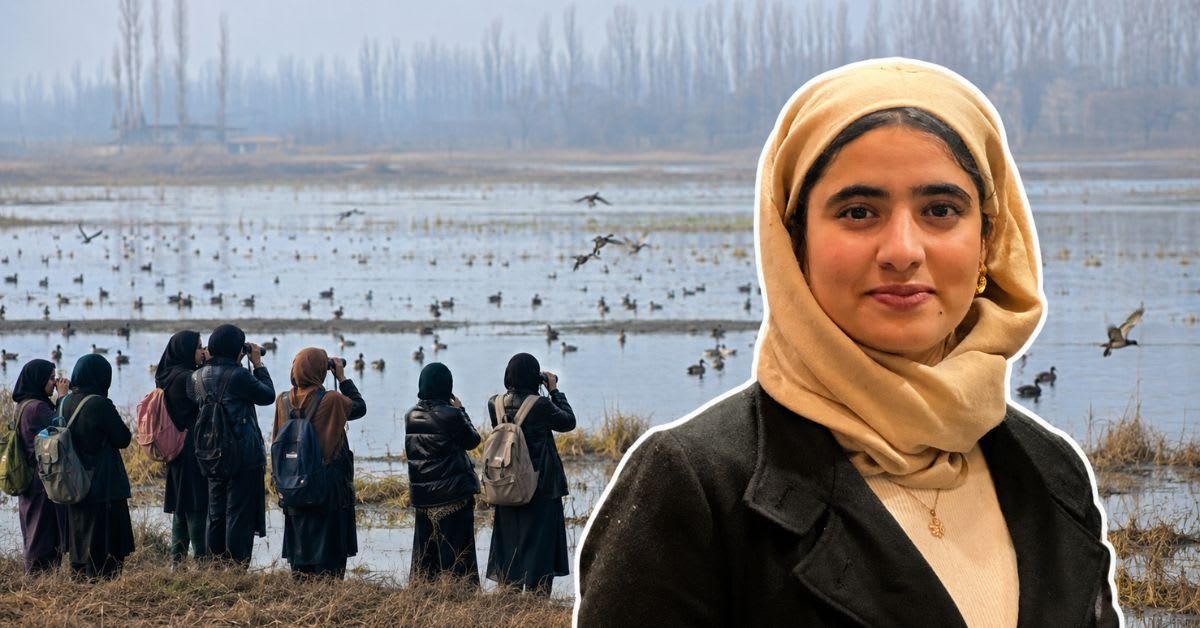
Armed with notebooks and binoculars, 13-year-old Alimah Hamid meets with her team along the banks of Hokersar wetland near Srinagar to review their mission: saving Kashmir's disappearing marshes one cleanup at a time.
She's part of the Salim Ali Birdwatchers Network, Kashmir's first all-women birding group launched in January 2025. The 15-member team includes schoolgirls and college students who spend weekends documenting birds, cleaning wetlands, and visiting schools to teach conservation.
Their work is already showing results. The wetlands they've revived now welcome nearly 100,000 migratory birds each season, a stunning turnaround for ecosystems that had been struggling.
Seerat-ul-Nisar, a founding member, says the group formed because women environmentalists in Kashmir needed a unified voice. Many had been working on conservation individually for years but lacked organizational support to amplify their impact.
The Wildlife Conservation Fund helped bring these young conservationists together under one banner. Executive Director Nadeem Qadri says the women needed guidance at first, but now they drive the mission themselves.
Alimah is writing a book called Birds of Paradise for school students, documenting over 50 migratory bird species with detailed habitat descriptions. It's one of many individual projects team members tackle alongside their collective cleanup drives across south and central Kashmir.
The group deliberately schedules activities on weekends so student members can balance conservation with schoolwork. They're also recruiting more women and girls through social media, inviting anyone interested to join their cleanups and awareness programs.
The Ripple Effect
What started as weekend volunteer work has grown into a structured movement changing how Kashmir approaches wetland conservation. Schools across the region now receive visits from team members who teach students about protecting local ecosystems.
The network proves that young women can lead environmental change in traditional societies. By creating a dedicated platform for female conservationists, they've made it easier for the next generation of women to step into conservation roles.
Their work also shows how community-led efforts can achieve measurable results without waiting for top-down solutions. The return of 100,000 migratory birds stands as living proof that grassroots action works.
These young women are quietly building the foundation for long-term environmental protection in one of India's most ecologically sensitive regions. They're not just watching birds—they're ensuring Kashmir's wetlands survive for future generations to cherish.
More Images
%2Fenglish-betterindia%2Fmedia%2Fmedia_files%2F2026%2F08%2F19%2Fwomen-conserving-kashmir-wetlands-2026-08-19-21-54-05.jpg)

%2Ffilters%3Aformat(webp)%2Fenglish-betterindia%2Fmedia%2Fmedia_files%2F2026%2F08%2F19%2Fa-group-photo-of-sabn-2026-08-19-21-55-15.jpeg)
Based on reporting by The Better India
This story was written by BrightWire based on verified news reports.
Spread the positivity!
Share this good news with someone who needs it